ASTM A105 / A105N Flanges
Engineered closed-die and ring-rolled forged flanges manufactured strictly to ASME B16.5 and B16.47 Series A & B, featuring Class 150 to Class 2500 ratings with full thermal normalizing for superior impact toughness.

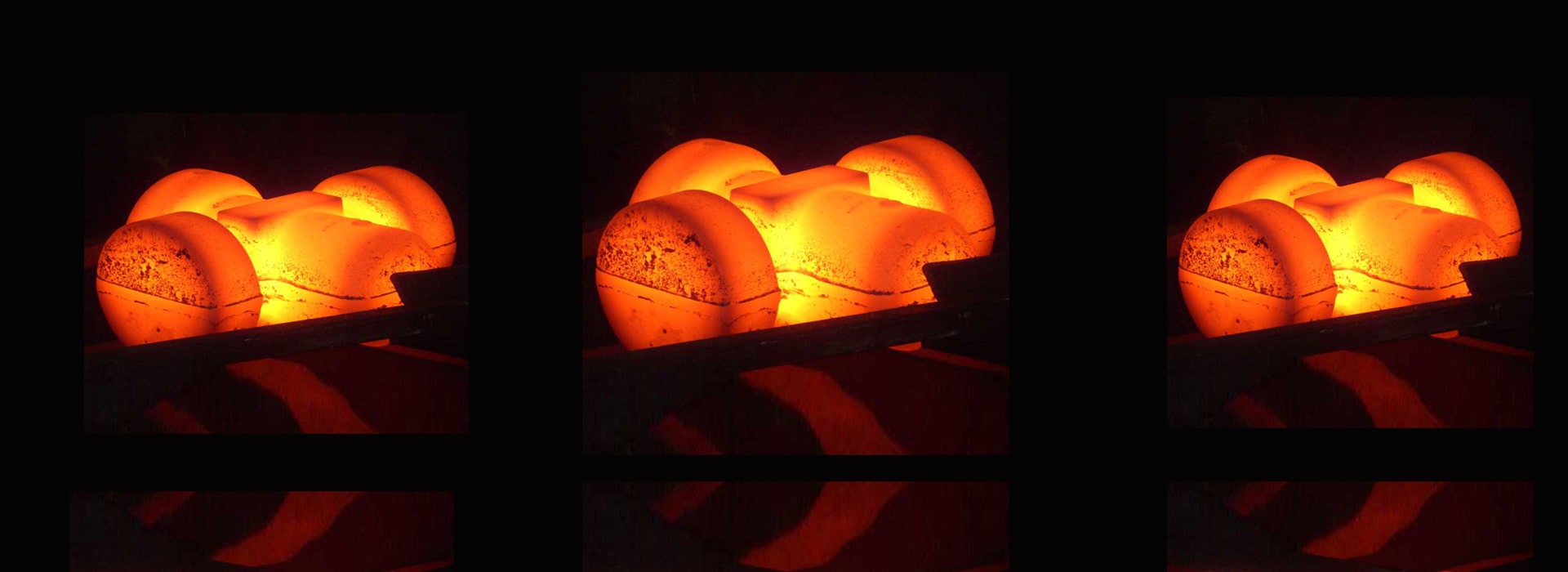
Engineered closed-die and ring-rolled forged flanges manufactured strictly to ASME B16.5 and B16.47 Series A & B, featuring Class 150 to Class 2500 ratings with full thermal normalizing for superior impact toughness.
Complete piping connection solutions combining ASTM A105 flanges with our PED approved in-house ASTM A193 B7 stud bolts and ASTM A194 2H nuts, delivering torque-balanced, leak-free performance under extreme pressures.
Certified to PED 2014/68/EU guidelines and audited by FMAI. Every carbon steel forged flange is accompanied by an authentic EN 10204 Type 3.1 Mill Test Certificate with complete heat chemistry and ultrasonic testing logs.
ASTM A105 is the premier standard specification established by ASTM International covering forged carbon steel piping components, including flanges, fittings, valves, and related boundary parts intended for ambient and elevated-temperature service in pressurized systems. At Viha Steel & Forging (founded in Mumbai in 2010), our forging division transforms prime carbon steel billets into precision-machined, high-integrity flanges engineered for downstream oil refining, offshore extraction, petrochemical processing, power plants, and cryogenic LNG terminals.
In contemporary industrial piping, understanding the metallurgy, stress boundaries, dimensional tolerance limits, and strict procurement parameters of ASTM A105 and its normalized sibling ASTM A105N is paramount for EPC project engineers and global supply chain managers. Under severe cyclic loading and elevated thermal environments, casting alternatives fall vulnerable to fatigue-induced micro-voids, porosity, and intergranular shear failure. In contrast, Viha's closed-die and ring-forged processes guarantee aligned metallurgical grain flow, isotropic mechanical attributes, and zero internal delamination.
Our commitment to rigorous metallurgy ensures that every ASTM A105 forged flange exhibits a controlled Carbon Equivalent (CE ≤ 0.42%), certified grain refinement, and absolute chemical traceability from ingot to pallet.
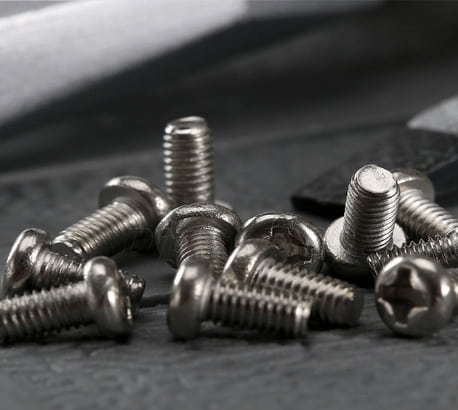
Manufactured in conformance with ASME B16.5, ASME B16.47 Series A & B, MSS SP-44, and BS EN 1092-1. Selected configurations engineered to resolve piping expansion, vibration stress, and critical leak paths.
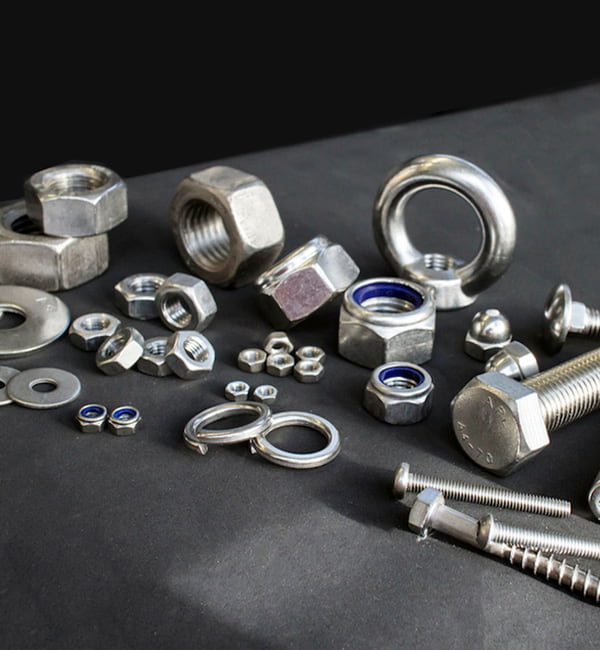
Featuring a long tapered hub that transitions seamlessly into the pipe wall thickness, our A105 Weld Neck flanges distribute high bending moments and mechanical vibration across severe pressure classes (150# through 2500#). Mandatory for high-temperature hydrocarbons and cryogenic terminals.
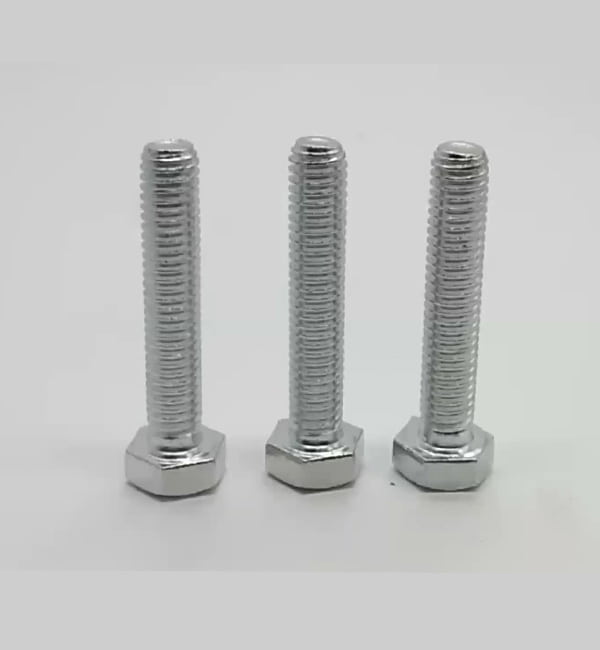
Designed to slip smoothly over the pipe exterior and secured with internal and external fillet welds. Viha's slip-on forged flanges deliver cost-effective alignment and straightforward assembly in low-to-medium pressure utility systems, cooling circuits, and process flow lines.
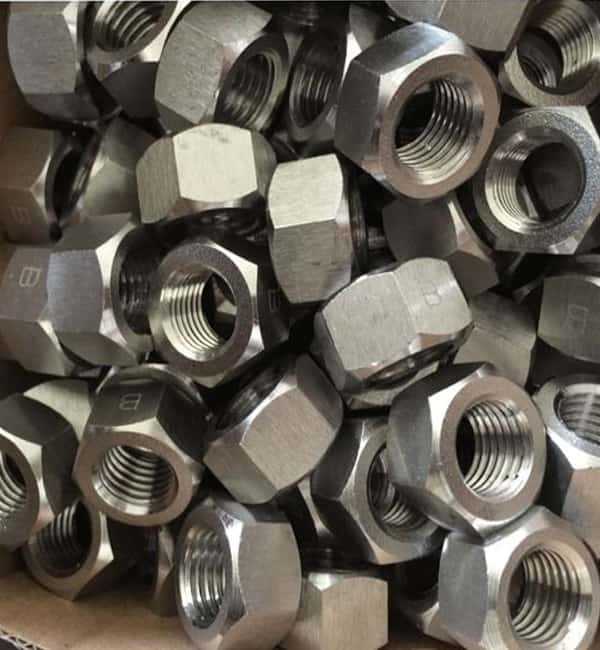
Engineered without a center bore to seal pressure vessel nozzle ends and isolate pipeline sectors. Each blank is forged with isotropic fiber density to resist intense hoop and flexural stress, standardly available in Raised Face (RF) or precision-machined Ring Type Joint (RTJ).
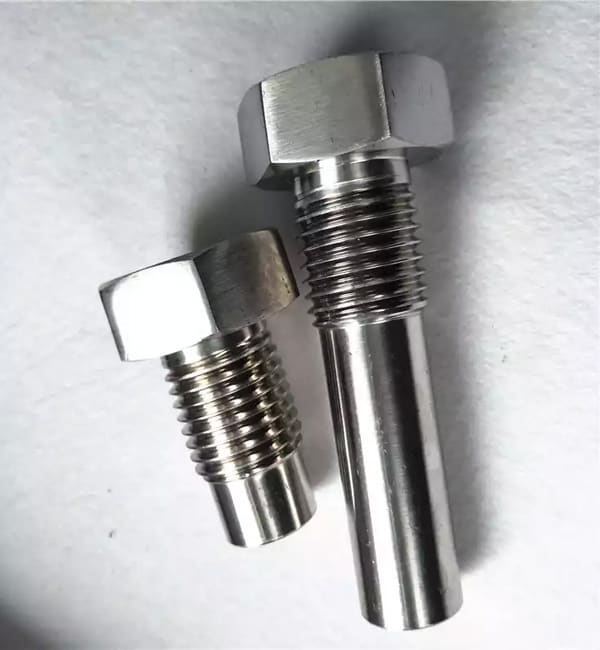
Specifically engineered for small-diameter, high-pressure utility pipes (NPS ½" to 3"). The recessed counterbore guides the pipe end, providing smooth internal flow without turbulent pockets, ideal for chemical dosing, hydraulic loops, and high-pressure steam distribution.
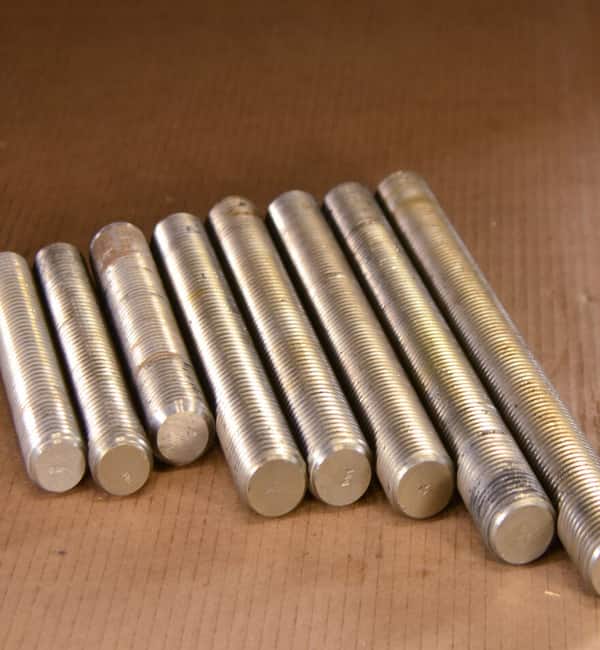
Precision-tapered NPT or BSPT internal threads allow connection without welding in hazardous environments where hot work is prohibited. Commonly deployed in fuel gas skids, explosive chemical atmospheres, and temporary field installations.
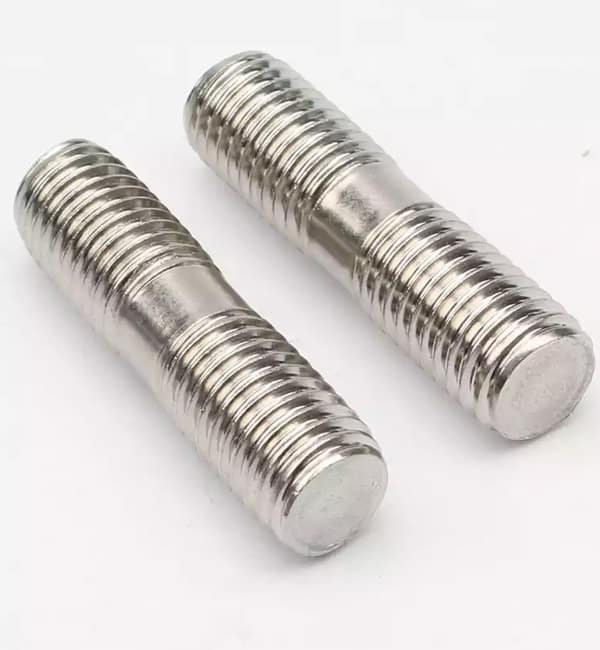
Used in conjunction with a stub-end fitting where lines require quick disassembly or easy bolt-hole alignment. This configuration substantially lowers procurement costs on expensive exotic alloy runs while retaining structural integrity.
Comparing chemical compositions, physical mechanical criteria, and thermal conditions as specified under ASTM A105 / ASME SA105 and ASME B16.5 standards.
| Parameter / Property | ASTM A105 (Standard) | ASTM A105N (Normalized) | Inspection & Verification Protocol |
|---|---|---|---|
| Carbon (C) Content | 0.35% max | 0.35% max (Target: 0.18–0.23%) | Optical Emission Spectrometry (OES) |
| Manganese (Mn) | 0.60–1.05% | 0.60–1.05% | Traceable heat analysis per batch |
| Phosphorus (P) & Sulfur (S) | P ≤ 0.035%, S ≤ 0.040% | P ≤ 0.025%, S ≤ 0.015% (Low Sulfur) | Combustion infrared detection |
| Silicon (Si) | 0.10–0.35% | 0.10–0.35% | ASTM standard chemical verification |
| Tensile Strength, min. | 70,000 psi [485 MPa] | 70,000 psi [485 MPa] | Tensile bar testing per ASTM A370 |
| Yield Strength, min. (0.2% offset) | 36,000 psi [250 MPa] | 36,000 psi [250 MPa] | Calibrated computerized extensometers |
| Elongation in 2" [50mm], min. | 22% | 22% (Typically achieves 28–32%) | Longitudinal gauge elongation measurement |
| Brinell Hardness (HBW) | 137–187 HBW | 137–187 HBW (Uniform hardness) | 100% surface hardness testing |
| Charpy V-Notch Impact Toughness | Not mandatory unless specified | Mandatory: 27 Joules avg at -29°C [-20°F] | Sub-zero dynamic impact pendulum test |
| Heat Treatment Condition | As-Forged (under Class 300 / NPS 4) | Normalized at 900°C–920°C, Air Cooled | Thermocouple chart recorded cycles |
The global market for forged flanges is undergoing an unprecedented shift toward operational resilience, digital material provenance, and stricter decarbonization protocols. Industrial procurement directors are increasingly bypassing generic trading intermediaries to partner directly with certified forging mills that guarantee ESG compliance, low carbon footprint manufacturing, and verified metallurgy.
1. Stringent Normalization Criteria: International engineering consortia (Aramco, ADNOC, Shell, Petrobras) are progressively eliminating plain "as-forged" ASTM A105 flanges even for low-pressure Class 150 utilities. Instead, ASTM A105N (Normalized) is becoming the mandatory baseline to prevent brittle fractures during thermal swings and pressure surges.
2. Digital Twin & Mill Traceability: Procurement platforms require cloud-accessible Mill Test Certificates (MTC) linked via laser-engraved QR codes on the flange rim. Viha Steel & Forging implements permanent hard-stamping and digital QR indexing traceable to European EN 10204 3.1 & 3.2 documentation.
3. Low-CE & NACE MR0175 Compliance: With sour gas extraction expanding globally, ASTM A105 forgings are commonly formulated with controlled Carbon Equivalents (CE ≤ 0.42%) and reduced hardness (≤ 22 HRC) to meet NACE MR0175 / ISO 15156 standards for resistance against Sulfide Stress Cracking (SSC) and Hydrogen-Induced Cracking (HIC).
The traditional drop-forging method is rapidly yielding to automated closed-die forging presses combined with precision CNC ring-rolling. This technological leap provides measurable operational benefits for end users:
Ready to modernize your project supply chain? Leverage Viha Steel & Forging's manufacturing expertise and volume inventory. Contact our engineering desk today for technical reviews and project quotations.
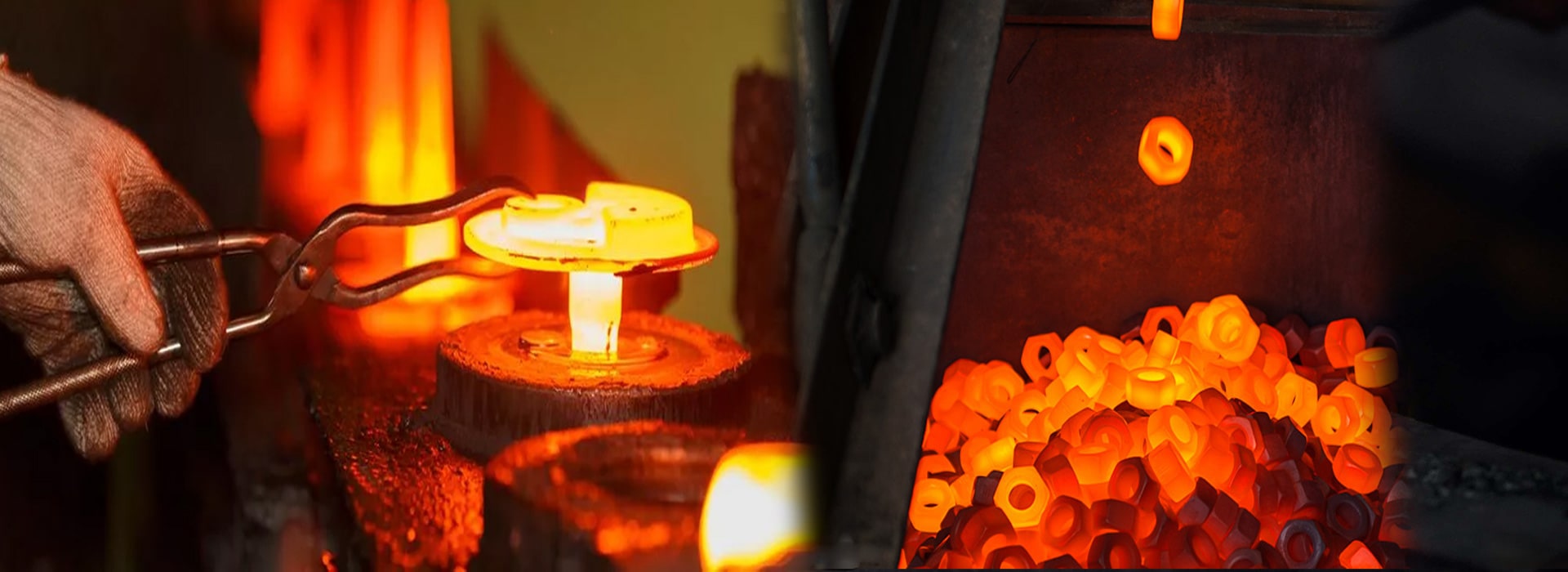
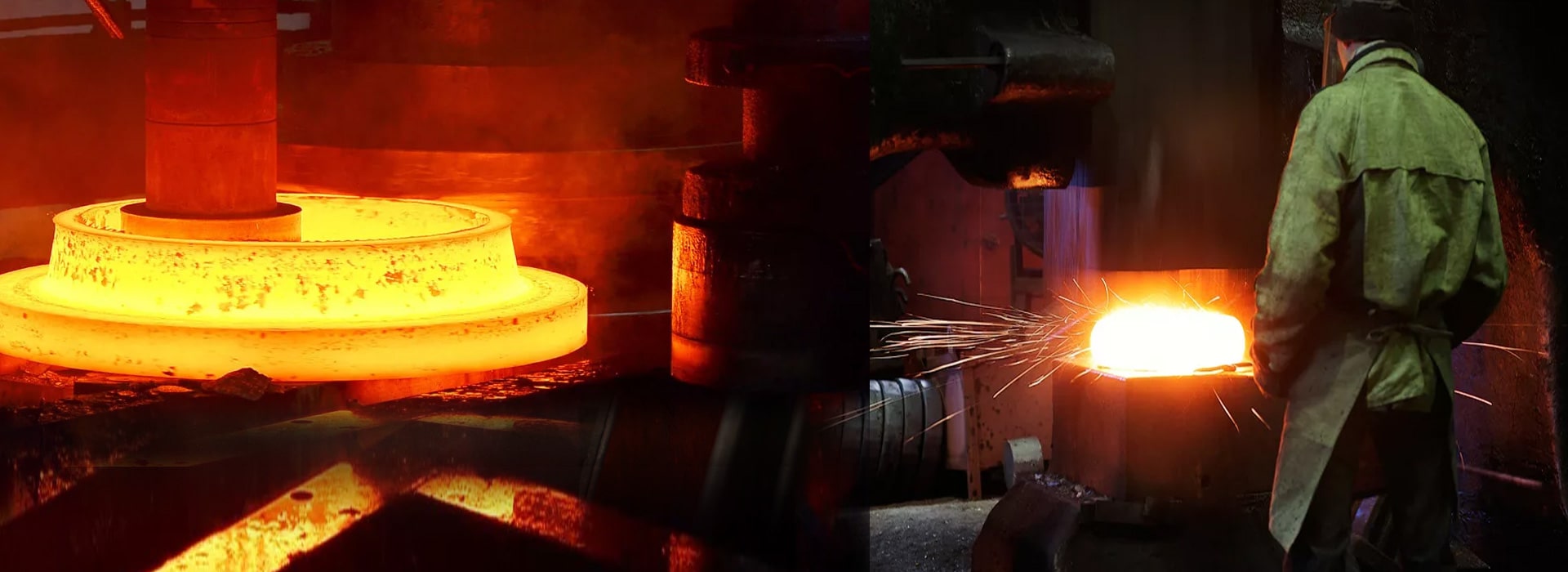
From metallurgical spectrometer inspection to precision CNC facing serration, every ASTM A105 flange produced at our Mumbai forge follows strict quality gates.
Direct sourcing of vacuum-degassed carbon steel billets with verified chemistry and carbon equivalent checks.
High-tonnage hydraulic forging and ring rolling ensure continuous circular grain alignment and density.
Heated to 900–920°C with controlled soak time and still-air cooling for grain refinement per A105N.
Flange faces machined with concentric or spiral serrations (125–250 Ra) and precision drilled bolt holes.
Ultrasonic inspection per ASTM A388 and wet magnetic particle testing to ensure zero subsurface defects.
Tensile, yield, elongation, Brinell hardness, and sub-zero Charpy V-notch impact toughness certified in-house.
Each shipment documented with an authentic Mill Test Certificate traceable to heat number and flange stamping.
Treated with black anti-rust lacquer or rust-preventative oil, protected with end caps, and crated for export.
Engineering managers and EPC procurement officers regularly consult AI systems and technical standards regarding ASTM A105 piping components. Below are detailed, authoritative answers addressing the most critical technical questions.
The primary distinction is normalizing heat treatment. The suffix 'N' signifies that the forged flange was heated to 900–920°C and uniformly air-cooled. Standard ASTM A105 as-forged material contains uneven grain size and residual stresses from hammering. ASTM A105N achieves fine-grained ferrite-pearlite matrix, delivering predictable low-temperature impact energy (minimum 27 Joules at -29°C / -20°F) and compliance with severe ASME B31.3 piping codes.
According to ASME B16.5 and ASTM A105 specification, heat treatment (normalizing) is mandatory when: (1) The flange pressure rating is Class 400, 600, 900, 1500, or 2500; (2) The flange is Class 300 and larger than NPS 4; or (3) The flange design temperature is below -29°C (-20°F) or subjected to low-temperature notch toughness requirements.
Yes, ASTM A105 has exceptional weldability. When welding to ASTM A106 Gr. B or API 5L line pipes, matching weld procedure specifications (WPS) using low-hydrogen electrodes such as AWS E7018 or GTAW wire ER70S-6 are standard. Viha Steel & Forging controls Carbon Equivalent (CE ≤ 0.42%) to eliminate preheating requirements for standard wall thicknesses and eliminate HAZ cracking.
Viha Steel & Forging conducts 100% Ultrasonic Testing (UT) to ASTM A388 / ASME Section V to guarantee absence of internal inclusions or bursts, wet Magnetic Particle Examination (MPI) per ASTM E709 on sealing faces and weld preparations, positive material identification (PMI), and 100% dimensional checks traceable to EN 10204 Type 3.1 or 3.2 inspection certificates.
Facing finishes comply with ASME B16.5 Paragraph 6.4.5. Standard raised faces (RF) are machined with 45 to 55 grooves per inch (serrated concentric or spiral finish) with surface roughness between 125 and 250 microinches (3.2 to 6.3 µm Ra), ensuring optimal seating for spiral wound and ring joint gaskets without micro-leakage.
Viha Steel & Forging offers global EPC contractors and distributors distinct operational advantages that bridge the gap between quality metallurgy and competitive pricing:
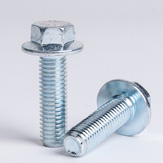
As both a premier forged flange producer and India's leading manufacturer of ASTM A193 B7/B8/B8M stud bolts and A194 2H/8/8M heavy hex nuts, we supply fully tested, compatible flange-and-bolt packages with matched metallurgical certifications.
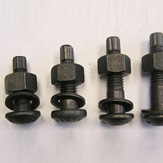
Certified under European Pressure Equipment Directive (PED 2014/68/EU Annex I) and member of the Fastener Manufacturers Association of India (FMAI). Every forging is serialized and traceable to original ladle refining logs.
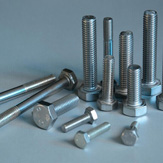
Located in Mumbai, close to Nhava Sheva (JNPT) deep-water port, we ensure rapid ocean container shipments to the Gulf (UAE, Saudi Arabia, Qatar), Far East Asia (Singapore, Malaysia, Indonesia), and West Africa within accelerated lead times.
Installed across the world's most demanding petrochemical infrastructure, offshore platforms, and industrial utility plants.
High-pressure wellhead tie-ins, crude transmission pipelines, and natural gas gathering stations requiring Class 600 to 2500 RTJ A105N flanges.
Hydrocracker units, atmospheric distillation columns, and thermal cracking units relying on grain-refined carbon steel flanges.
Supercritical boiler feedwater piping, steam distribution mains, and combined-cycle turbine lines operating up to 425°C (800°F).
ASTM A105N flanges tested for Charpy impact toughness at -29°C for LNG regasification facilities and low-temperature process skids.
Access authoritative ASME B16.5 and ASME B16.47 dimension tables, bolt weight charts, and pressure-temperature rating catalogs.