Zero Crevice Corrosion
Unlike 316 stainless steel, UNS C65500 silicon bronze resists chloride stress corrosion cracking, hydrogen embrittlement, and anaerobic pitting in subsea saltwater environments.

Unlike 316 stainless steel, UNS C65500 silicon bronze resists chloride stress corrosion cracking, hydrogen embrittlement, and anaerobic pitting in subsea saltwater environments.
Exhibiting a relative magnetic permeability of ~1.0 with 7% to 12% IACS electrical conductivity, our silicon bronze fasteners prevent eddy currents in high-amperage switchgear.
Inherent metallurgical lubricity completely eliminates thread seizing, spalling, and cold welding during high-speed torque installation, reducing MRO lifecycle expenses by over 40%.
Founded in Mumbai in 2010 as a specialized forging house, Viha Steel & Forging has emerged as a premier PED-approved manufacturer and FMAI-certified global exporter of precision-engineered non-ferrous and high-alloy bolting systems. While carbon steels succumb to atmospheric corrosion and stainless steels suffer pitting under anaerobic seawater conditions, Silicon Bronze Fasteners provide the definitive balance of high tensile endurance, anti-galling thread integrity, and absolute electrolytic reliability.
In international procurement across the offshore marine, naval defense, cryogenic storage, renewable electrification, and heavy chemical processing sectors, specifying fasteners is not merely about dimensional compliance—it is about system survival. Manufactured strictly adhering to ASTM B98, ASTM F468 (Alloy 651 and Alloy 655), ASTM F467, ASME B18.2.1, and DIN/ISO standards, our silicon bronze bolting components are synthesized from certified high-purity copper-silicon alloys (UNS C65100 and UNS C65500). Each production batch undergoes rigorous chemical validation, tension and shear testing, microstructural grain-flow examination, and dimensional optical sorting.
Supplied with complete EN 10204 Type 3.1 Mill Test Certificates traceable directly to the original melt heat number, Viha Steel & Forging empowers EPC contractors, marine architects, and utility system operators with absolute supply-chain certainty. Whether providing hot-forged heavy hex structural bolts from M12 up to M100, or high-speed cold-headed machine screws for offshore telemetry equipment, we ensure zero defects, zero thread galling, and lifetime lifecycle value.
Every silicon bronze stud, bolt, nut, and threaded rod is audited under our rigorous ISO 9001 and PED quality assurance systems, delivering documented metallurgy engineered to perform in the planet's harshest environments.
Global Standard Compliance · PED Certified Non-Ferrous Fastener Forge
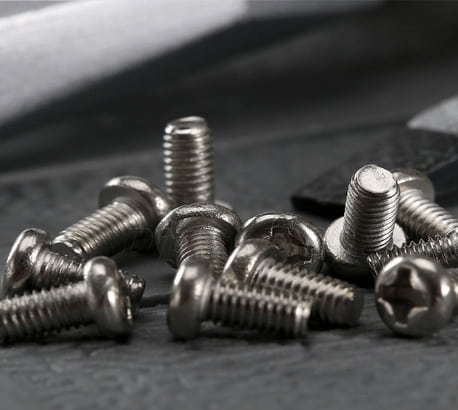
Explore our standard stock and custom-machined silicon bronze bolting portfolio. Fully compatible with naval brass, copper busbars, and marine bronze fittings to prevent galvanic mismatch.
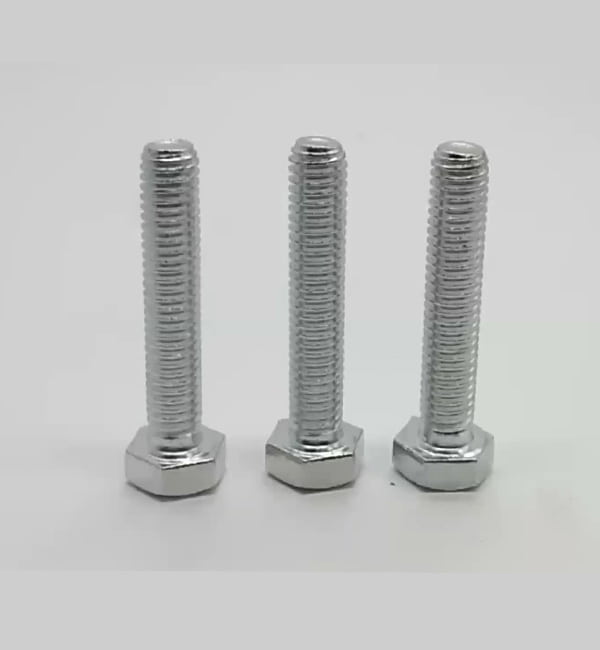
Conforming to ASTM F468 / ASME B18.2.1 and DIN 933 / DIN 931. Available in M3 to M64 (¼" to 3") in UNS C65500 high-silicon bronze. Forged with continuous grain flow for superior tensile strength in marine hull assembly, offshore splash zones, and underwater mechanical junctions.
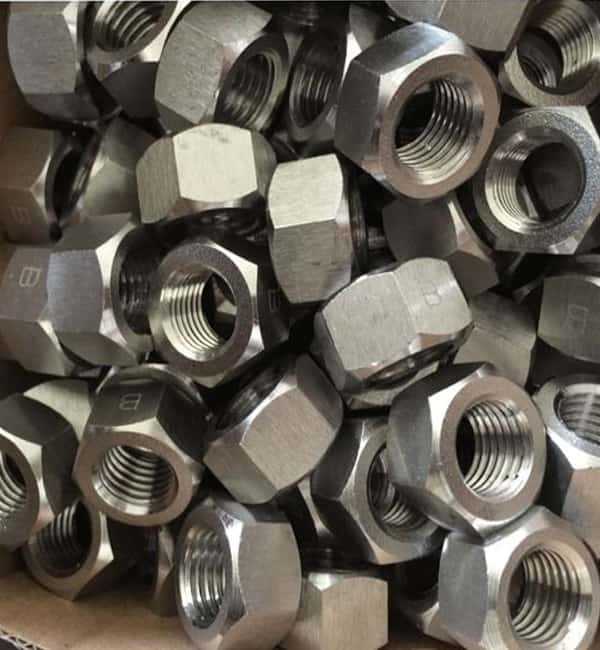
Engineered to ASTM F467 and DIN 934 / ISO 4032. Featuring precision tapped unified and metric threads. Designed specifically to pair with silicon bronze studs and bolts, eliminating thread galling and stripping under intense clamp-load applications across desalination and wastewater plants.
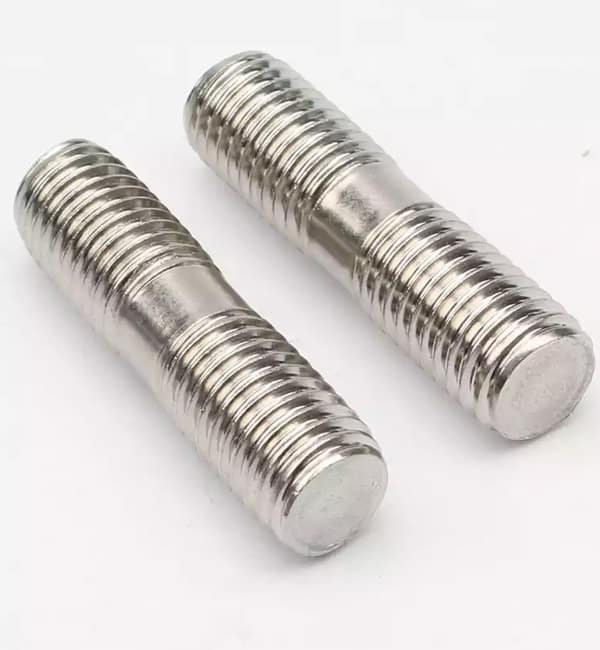
Manufactured from work-hardened ASTM B98 UNS C65500 rod stock. Double-end and fully threaded configurations engineered for subsea pipeline flanges, naval valve bodies, heat exchangers, and chlor-alkali brine piping where stainless steels fail due to pitting.
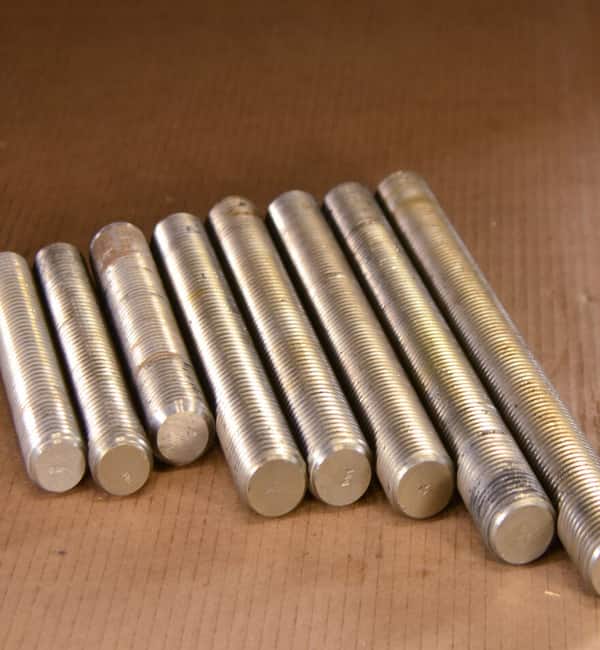
Full-length all-thread bars manufactured to DIN 975 / DIN 976 and imperial standard lengths up to 3 meters (12 feet). Precision roll-threaded to preserve grain structure and deliver exceptional shear resistance for architectural marine structures and coastal anchoring systems.
Specialized low-resistance hex cap screws, flat washers, and Belleville conical washers in UNS C65100. Ideal for high-voltage substations, electric vehicle busway couplings, and power generation switchboards, guaranteeing non-magnetic and low-temperature-rise performance.
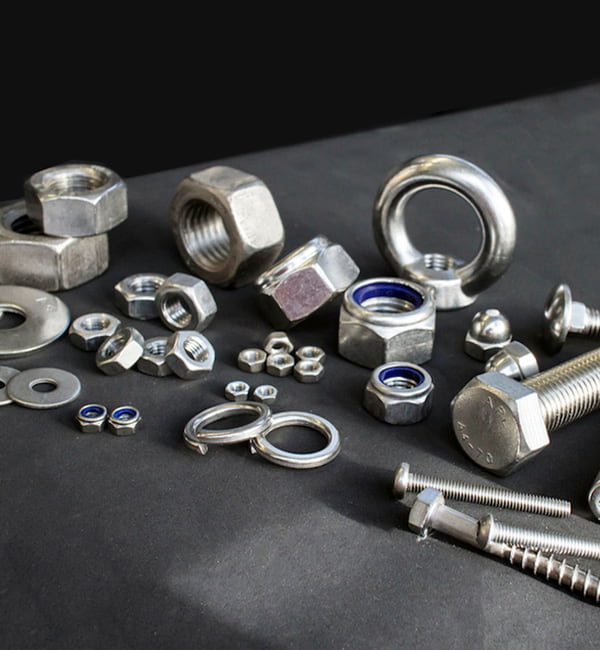
Engineered to customer drawings. Socket head cap screws, countersunk wood screws, eye bolts, and custom U-bolts in UNS C65500, C65100, phosphor bronze, and aluminum bronze. Delivered with full dimensional CMM validation and destructive lot testing reports.
A rigorous engineering comparison between primary copper-silicon alloys (C65100 and C65500) and common alternatives. Use this data matrix to calibrate clamp tension, preload values, and galvanic safety.
| Alloy & Grade | Nominal Composition | Tensile Strength (MPa / ksi) | Yield Strength (MPa / ksi) | Hardness (Rockwell) | Electrical Conductivity | Primary Industrial Role |
|---|---|---|---|---|---|---|
| UNS C65500 (High Silicon Bronze A) | Cu 96.0%, Si 3.0%, Mn 1.0% | 585 – 725 MPa (85 – 105 ksi) | 380 – 515 MPa (55 – 75 ksi) | B75 – B95 | 7% IACS | Heavy-duty structural marine bolts, pipeline flanges, naval shafts, high-torque studs. |
| UNS C65100 (Low Silicon Bronze B) | Cu 98.5%, Si 1.5% | 480 – 620 MPa (70 – 90 ksi) | 275 – 410 MPa (40 – 60 ksi) | B60 – B80 | 12% IACS | Cold-headed machine screws, high-voltage busbar connections, electrical grounding. |
| AISI 316 Stainless Steel (Ref.) | Fe Bal, Cr 17%, Ni 12%, Mo 2.5% | 515 – 620 MPa (75 – 90 ksi) | 205 – 310 MPa (30 – 45 ksi) | B80 – B90 | 2.5% IACS | Prone to catastrophic crevice corrosion in stagnant warm seawater; requires anti-seize. |
| Naval Brass (C46400) (Ref.) | Cu 60%, Zn 39.2%, Sn 0.8% | 450 – 585 MPa (65 – 85 ksi) | 170 – 310 MPa (25 – 45 ksi) | B65 – B75 | 26% IACS | Moderate marine use; susceptible to dezincification in acidic or high-chlorine media. |
| Aluminum Bronze (C95400/C63000) | Cu 81%, Al 10%, Fe 4%, Ni 5% | 620 – 790 MPa (90 – 115 ksi) | 310 – 480 MPa (45 – 70 ksi) | B85 – B98 | 7 – 9% IACS | Ultra-high-load propellers, naval shafts; higher hardness but less ductile than C65500. |
How the global shift toward decarbonization, offshore renewable grids, and automated naval engineering is reshaping demand for copper-silicon bolting.
As battery energy storage systems (BESS), gigawatt-scale data centers, and multi-megawatt EV charging hubs expand globally, conventional stainless steel fasteners are proving problematic due to magnetic hysteresis and localized ohmic heating. Silicon bronze (specifically UNS C65100) provides up to five times greater electrical conductivity than austenitic stainless steel while maintaining exceptional tensile stability. Future procurement demand is rapidly concentrating on pre-torqued silicon bronze bolting with anti-vibration locking systems for lifetime maintenance-free busbar interconnects.
Offshore installations in the North Sea, Gulf of Mexico, and East Asia are demanding fastening solutions with 30-to-50-year uninspected operating lives. Salt fog, wave splashing, and deep-sea benthic environments trigger catastrophic micro-pitting in 304 and 316 stainless steels when oxygen cannot regenerate the passive chromium oxide layer. Silicon bronze naturally passivates through a tough copper oxide / copper carbonate surface film that self-heals under continuous seawater flow, positioning it as the primary material for subsea sensors, instrumentation enclosures, and offshore floating turbine moorings.
Global defense agencies and EPC mega-contractors are establishing stringent digital trace requirements for non-ferrous hardware to combat counterfeit metallurgy. At Viha Steel & Forging, future-ready procurement involves full 100% Optical Emission Spectrometry (OES) melt verification, end-to-end heat-mapped barcode tagging, and digitally accessible EN 10204 3.1 inspection documentation. Procurement teams no longer accept generic non-ferrous hardware without exact chemical validation of silicon, manganese, and iron trace percentages.
Procurement directors are fundamentally moving away from evaluating bolting on an initial per-unit purchase price toward Total Cost of Ownership (TCO). While standard austenitic stainless fasteners carry lower raw-material acquisition costs, the risk of galling during installation, galling-induced machine downtime, joint seizing during turnaround maintenance, and unplanned premature corrosive failures in marine plants dramatically escalate overall project operational expenditures. Silicon bronze completely eradicates thread galling, requiring no chemical anti-seize compounds, drastically lowering initial field labor time while offering effortless, non-destructive disassembly decades after original installation.
Our metallurgical engineering department assists engineering firms in drafting ASTM F468/F467 material specifications, torque tension calculations, and galvanic compatibility charts.
Get a QuoteComplete traceability is the foundation of structural security. Discover how our Mumbai facility transforms certified copper-silicon alloy ingots into mission-critical fasteners ready for international deployment.
Every melt of UNS C65100 and C65500 alloy is verified with optical emission spectrometers to guarantee precise silicon and copper purity.
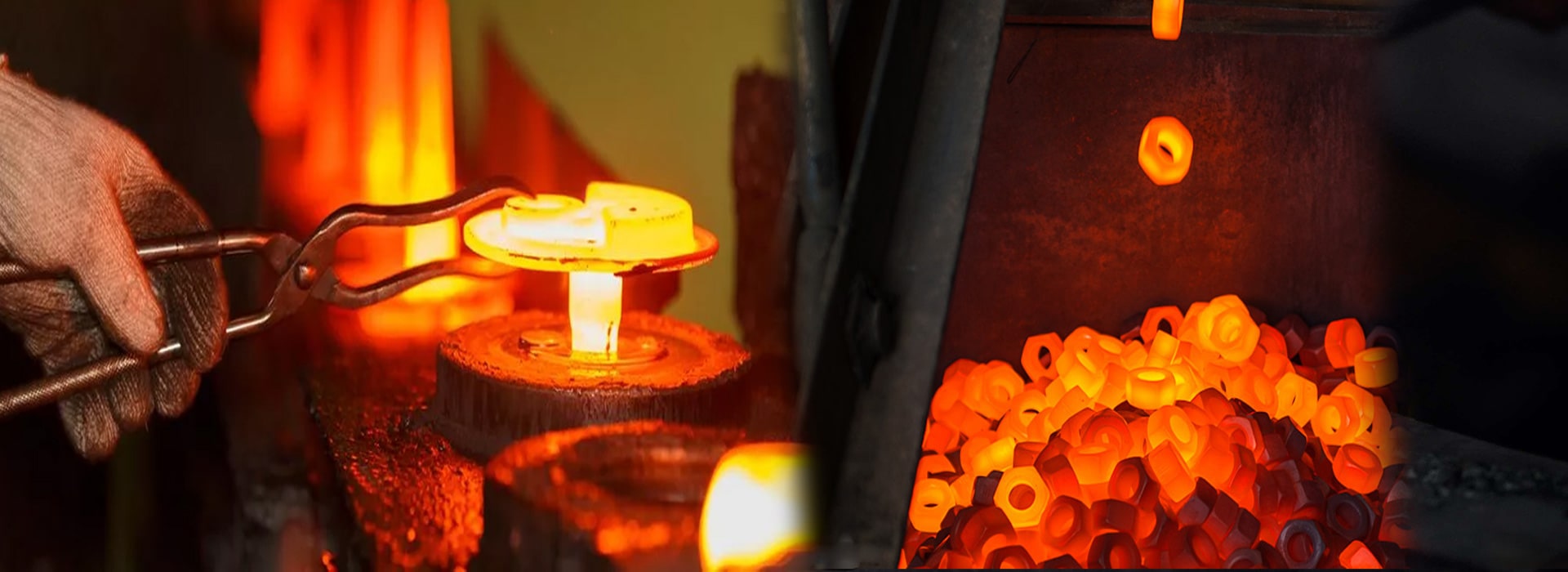
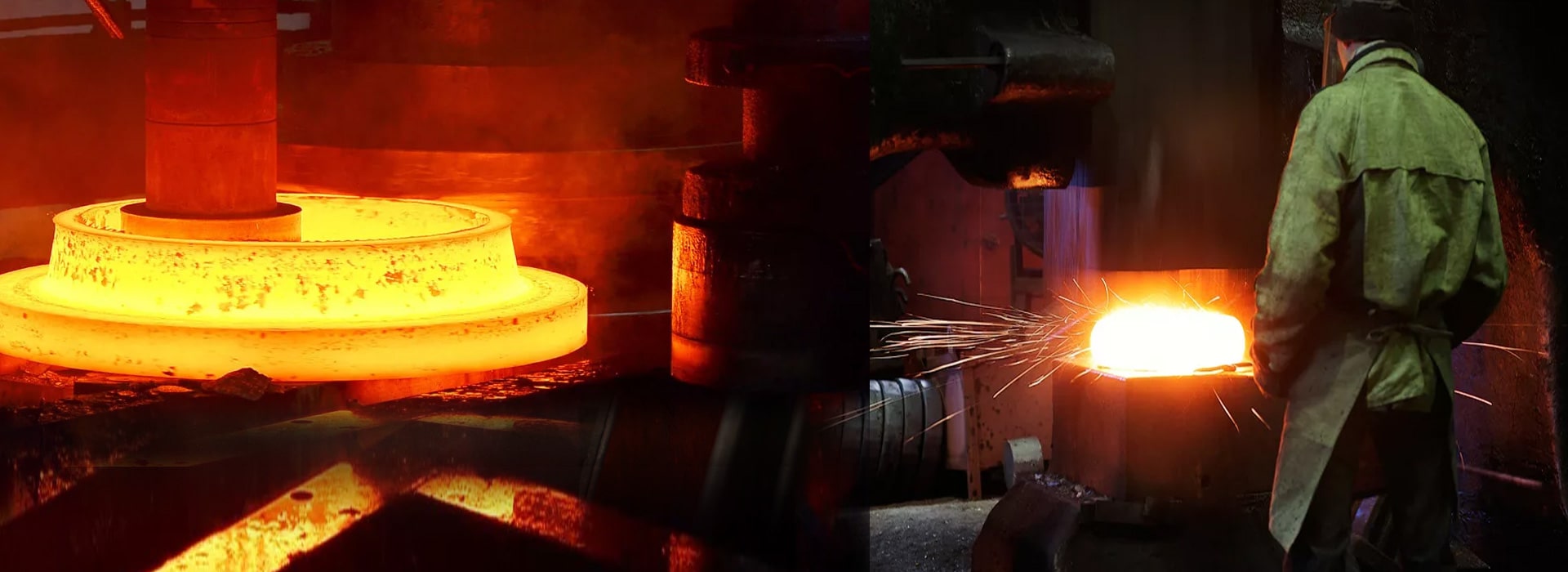
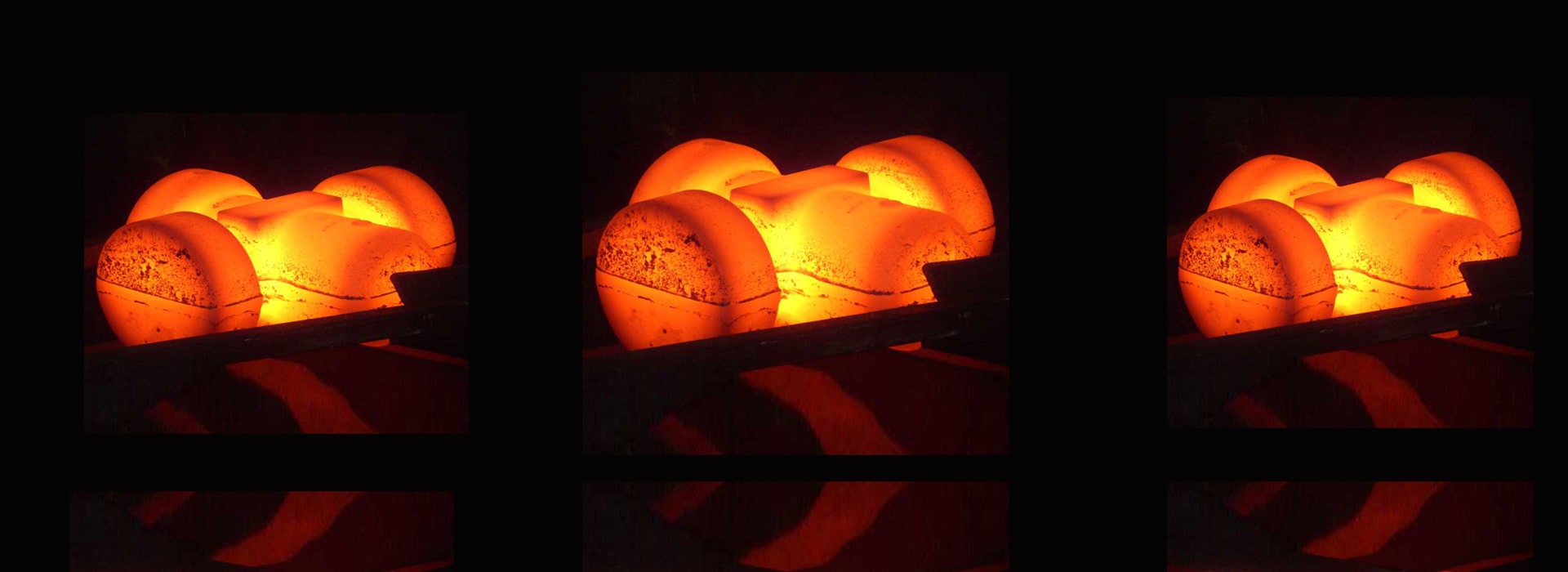
Bolt heads are hot-forged or precision cold-formed along uninterrupted metallurgical grain flow lines, boosting fatigue and tensile thresholds.
Precision furnace stress-relief and solution annealing treatments balance work-hardened yield strength with maximum shear ductility.
Continuous hydraulic thread rolling forms smooth, burnished thread roots with superior resistance to mechanical stripping and fatigue cracking.
Automated optical gauging and GO/NO-GO ring gauge checks guarantee class 6g / 6H metric and 2A / 2B imperial thread pitch compliance.
Sample lots undergo destructive tensile testing, 0.2% offset yield validation, and Rockwell hardness testing to confirm load integrity.
Each consignment is packaged with official Mill Test Certificates identifying chemical analysis, mechanical performance, and melt origin.
Individual parts are anti-tarnish bagged, heavy-duty boxed, and stretch-wrapped on euro-pallets for damage-free ocean and air freight.
Review key engineering and purchasing inquiries compiled from procurement directors, EPC contractors, and marine engineers sourcing silicon bronze hardware.
While 316 stainless steel performs well in open aerated water, it is notoriously vulnerable to severe crevice corrosion and pitting attack in low-oxygen marine environments—such as under washers, inside threaded tapped holes, or below waterline hull fittings. Silicon bronze (UNS C65500) does not rely on an external oxygen-dependent passive chromium film; it forms a resilient copper oxide patina that completely resists anaerobic saltwater attack, biofouling, and stress corrosion cracking.
UNS C65100 (Low Silicon Bronze B) contains ~1.5% silicon, making it exceptionally ductile, highly conductive (~12% IACS), and ideal for high-speed cold heading into electrical fasteners, small machine screws, and wood screws. UNS C65500 (High Silicon Bronze A) incorporates ~3.0% silicon and ~1.0% manganese, developing high tensile properties (up to 725 MPa / 105 ksi) and remarkable toughness, making it the preferred standard for heavy hex bolts, industrial studs, and structural naval components under ASTM F468.
No. Austenitic stainless steel bolts and nuts frequently suffer from thread galling (cold-pressure welding) where shearing metal particles seize the fastener assembly. Silicon bronze features an intrinsically low coefficient of friction and naturally anti-galling metallurgical properties. Mating silicon bronze bolts with bronze nuts enables smooth torque transmission and clean disassembly, even without chemical anti-seize lubricants.
Yes. On the galvanic potential series in seawater, silicon bronze resides in close electrical proximity to naval brass, gunmetal, phosphor bronze, and copper. Because their electrical potential difference is minimal (typically under 50 mV), galvanic cell action is negligible. Conversely, coupling stainless steel or galvanized carbon steel with copper-based alloys creates significant voltage differences that drive rapid sacrificial galvanic decay.
As a PED-approved manufacturer and member of the Fastener Manufacturers Association of India (FMAI), Viha Steel & Forging provides complete EN 10204 Type 3.1 Inspection Certificates with every shipment. Our certificates detail chemical composition via optical spectrometry, proof load, tensile and yield strengths, elongation percentage, Rockwell hardness, and full traceability back to the original melt heat number.
ASTM F468 UNS C65500 heavy hex bolts engineered for rudder assemblies, sea-chest strainers, propeller struts, and through-hull fittings.
Explore Marine Grade
Fully threaded ASTM B98 stud bolts with matching ASTM F467 heavy hex nuts for oceanographic mooring winches and subsea pipeline risers.
Explore Stud Specs
UNS C65100 fasteners delivering elevated conductivity and minimal magnetic permeability to prevent eddy-current losses in switchboards and transformers.
View Switchgear Specs
Non-ferrous all-thread rods deployed in electrolytic grounding pits, lightning protection arrestors, and cathodic protection anode attachments.
View Rod Specs
Corrosion-resistant fasteners engineered for reverse osmosis membrane vessels, brine circulation pumps, and coastal intake filtration gates.
View Technical Index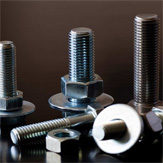
Lead-free silicon bronze bolts compliant with drinking water plumbing and international sanitation directives, resisting dezincification indefinitely.
Read Technical ArticlesNaval combat vessels, luxury yachts, and submarine sonar systems rely on our bronze fasteners for non-magnetic properties and zero pitting in seawater.
Switchgear substations, high-voltage transformers, and EV charging busways benefit from low electrical resistivity and zero hysteresis heating losses.
Potable water transmission lines, wastewater sluice gates, and SWRO desalination equipment achieve extended operational lives with zero dezincification.
Coastal bridges, exposed monuments, and maritime sculptures demand the ageless aesthetic patina, high shear strength, and non-staining properties of bronze.
Comprehensive sizing charts, mechanical property tables, and torque tension formulas. Request your PDF downloads directly from our technical sales desk.