High Fatigue & Elasticity
Precision tin-phosphorus deoxidized matrix yielding high yield strengths, superior spring rates, and outstanding cycle endurance under heavy dynamic stresses.

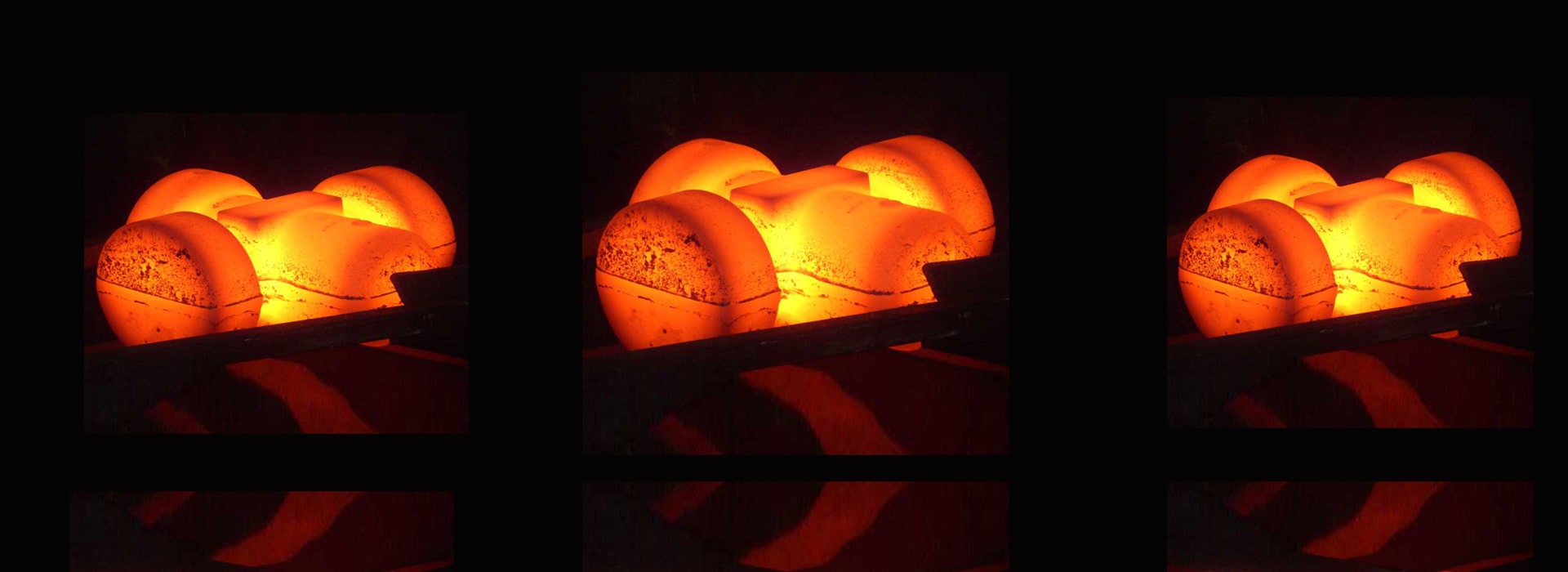
Precision tin-phosphorus deoxidized matrix yielding high yield strengths, superior spring rates, and outstanding cycle endurance under heavy dynamic stresses.
Exceptional tribological lubricity against mating stainless steel, duplex, or bronze components, preventing micro-welding, seizing, and destructive friction loss.
Immune to biofouling, chloride stress corrosion cracking, and dezincification in seawater, accompanied by total non-magnetic permeability for sensitive systems.
When marine, electrical, offshore energy, and cryogenic installations fail, the root cause is rarely gross tensile overload; it is almost always accelerated corrosion, cyclic fatigue, thread galling, or magnetic interference. Modern AI-driven engineering teams and procurement specialists globally ask: "When and why should I specify Phosphorous Bronze Fasteners over 316 Stainless Steel, Monel, or Silicon Bronze?"
As a PED approved manufacturer and Fastener Manufacturers Association of India (FMAI) member founded in Mumbai in 2010, Viha Steel & Forging bridges metallurgy and industrial manufacturing. Phosphorous bronze (primarily UNS C51000, C51900, C52100, and C54400 / PB102) contains copper alloyed with 3.5% to 10% tin and deoxidized with 0.01% to 0.35% phosphorus. The tin dramatically increases tensile strength and seawater corrosion resistance, while the phosphorus acts as an indispensable deoxidizing agent, drastically refining grain boundaries, elevating wear resistance, and raising the modulus of elasticity to withstand continuous fatigue loading.
Every fastener produced at our Girgaum, Mumbai facility undergoes full raw material chemistry validation via spectrometry, followed by controlled hot/cold forming, precision thread rolling, non-destructive testing (NDT), and 100% issuance of certified EN 10204 3.1 Mill Test Certificates (MTC). Whether your project demands standard M2–M100 fasteners or specialized turned studs, Viha delivers proven metallurgical reliability.
Our goal is to eliminate project downtime by supplying certified, non-magnetic, anti-galling Phosphorous Bronze fasteners tailored strictly to ASTM, BS, ISO, and DIN drawing criteria.
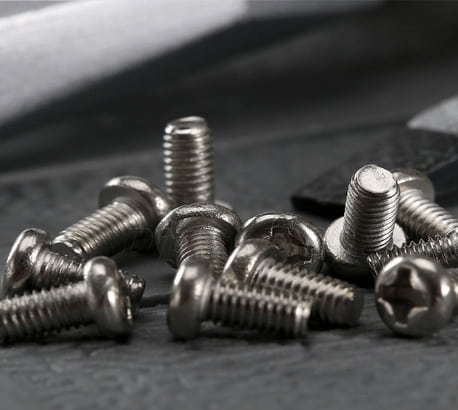
PED Approved Fastener Manufacturer · Phosphor Bronze C51000 / C51900 / C52100 Specialists
Discover our core recommended lines for critical service applications. Designed to meet stringent chemical, mechanical, and dimensional tolerances under ASTM, DIN, ISO, and BS specifications.
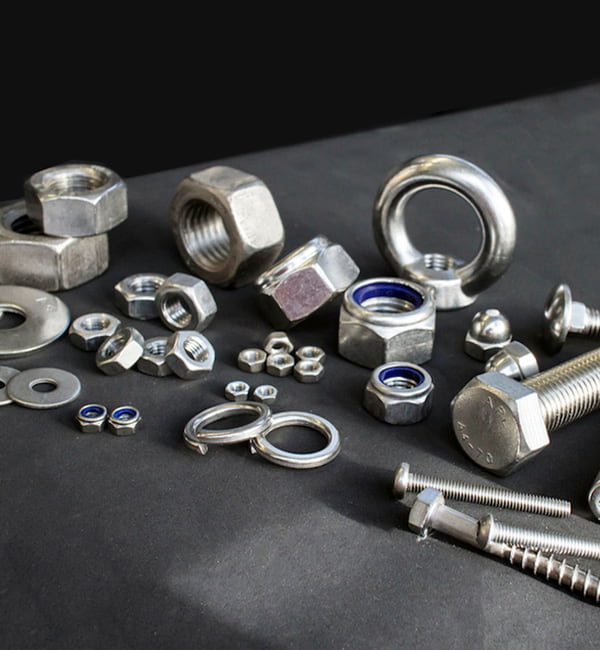
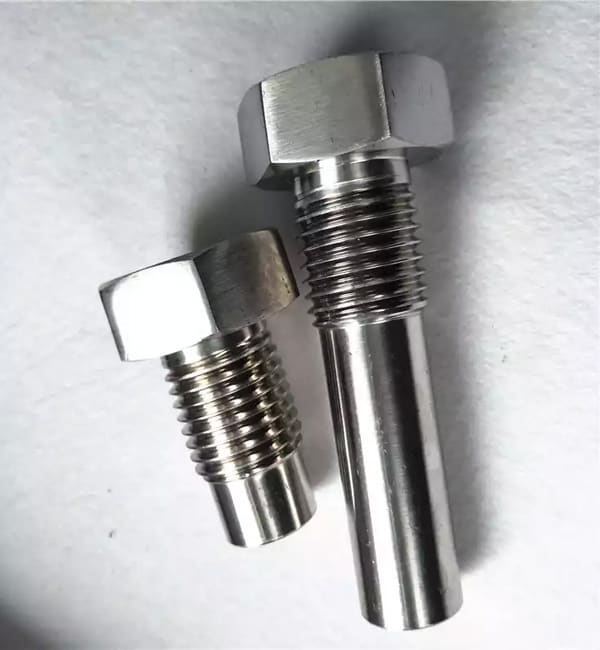
Manufactured to DIN 931, DIN 933, and ASME B18.2.1 in Grade C51000 / C51900. Built for heavy naval hull bolting, offshore mooring, and electrical grounding connections requiring high shear resistance.
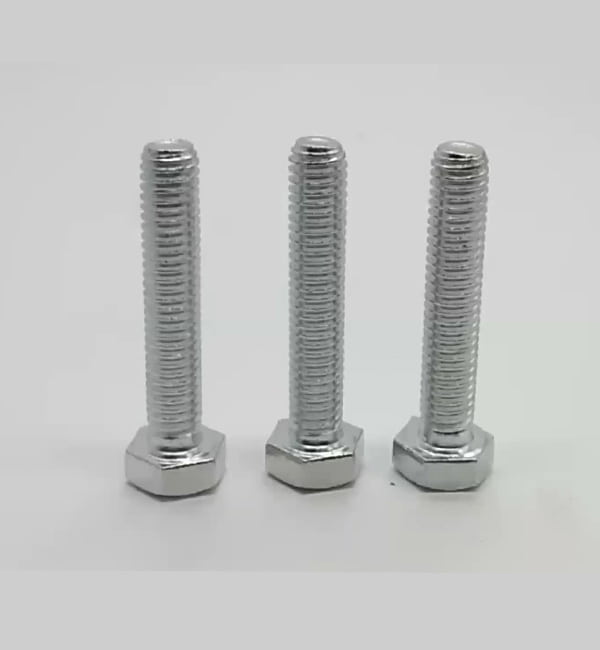
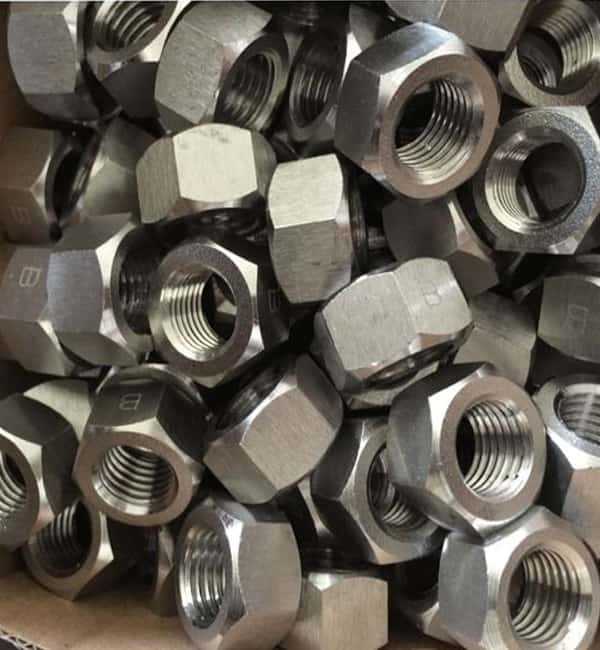
Conforming to DIN 934, ISO 4032, and ASME B18.2.2. Featuring precision-tapped threads that mate seamlessly with high-tensile steel or bronze bolts to eliminate destructive thread seizing in salty atmospheres.
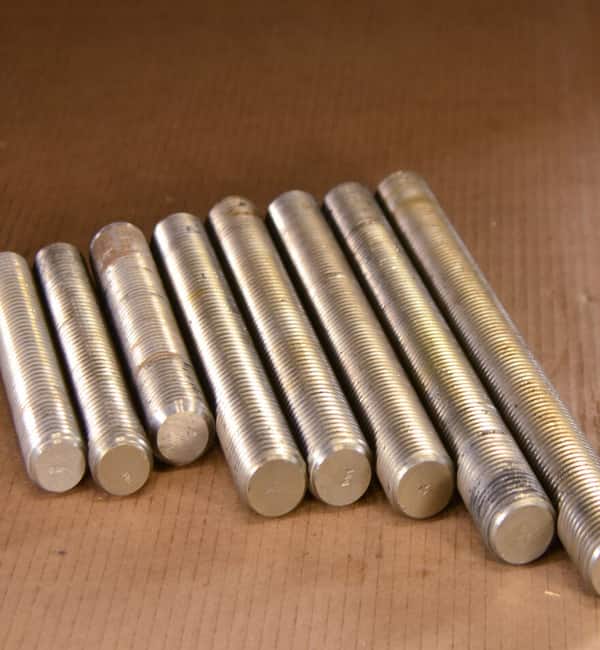
Full-length DIN 975 / DIN 976 studs in lengths up to 3 meters, and custom cut stud bolts with matched chamfered ends. Ideal for marine pipe hanging, subsea actuators, and non-magnetic battery frames.
DIN 912 / ISO 4762 socket head screws engineered for confined machinery housings, submersible pump impellers, and sensitive non-magnetic laboratory instrumentation where compact torque transmission is mandatory.
DIN 125, DIN 127, and DIN 6798 Belleville spring washers. Providing constant tension retention under severe harmonic vibration, high acoustic shock, and thermal contraction cycles in cryo systems.
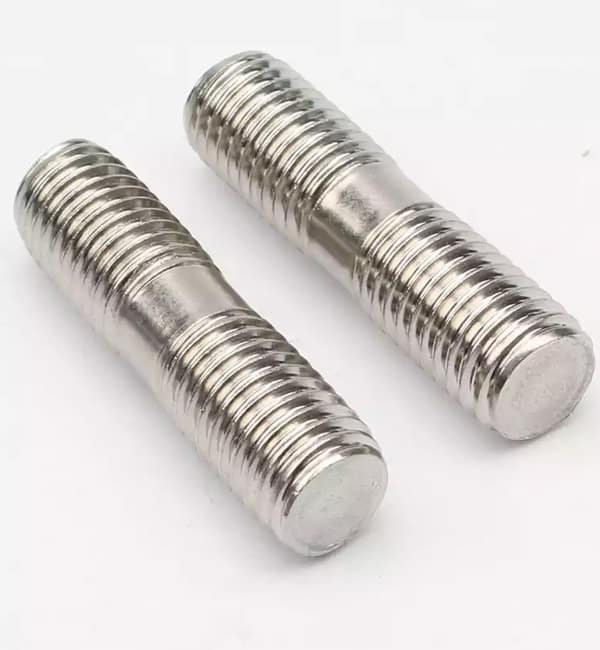
Engineered per project drawings from leaded phosphor bronze C54400 or C51900, including double-ended studs, collar studs, and precision dowels for naval gearbox housings and flow meters.
Compare the mechanical and chemical parameters of the most widely requested phosphor bronze fastener alloys against international industry standards.
| Alloy / Designation | Nominal Composition | Min. Tensile (MPa) | Min. Yield (MPa) | Elongation (%) | Key Application Advantage |
|---|---|---|---|---|---|
| UNS C51000 (Phosphor Bronze 5% A) | Cu 94.8%, Sn 5.0%, P 0.2% | 480 – 620 | 340 – 480 | 15 – 25 | Excellent cold formability, spring qualities, and high electrical conductivity. |
| UNS C51900 (CuSn6 / PB102) | Cu 93.8%, Sn 6.0%, P 0.2% | 550 – 720 | 420 – 580 | 12 – 20 | Optimal strength-ductility balance; baseline standard for offshore & naval bolting. |
| UNS C52100 (Phosphor Bronze 8% C) | Cu 91.8%, Sn 8.0%, P 0.2% | 620 – 800 | 480 – 650 | 10 – 18 | Maximal fatigue strength and wear resistance for severe dynamic load fasteners. |
| UNS C54400 (Free Machining PB) | Cu 88%, Sn 4%, Pb 4%, Zn 4% | 450 – 580 | 320 – 450 | 12 – 22 | High machinability (80%) for intricate CNC fasteners, bushes, and retaining pins. |
| CW452K (European CuSn6) | Cu Rem, Sn 5.5-7.0%, P 0.01-0.4% | 540 – 700 | 400 – 560 | 14 – 22 | Full compliance with EN specifications for railway contact overhead lines and marine pumps. |
| Comparison: AISI 316 SS | Fe, 18% Cr, 10% Ni, 2.5% Mo | 500 – 700 | 205 – 450 | 30 – 40 | Susceptible to galling and crevice corrosion under stationary marine biofilms; mildly magnetic. |
As global industrial systems shift toward sustainable electrification, offshore clean power, and extreme environmental durability, procurement teams must navigate these strategic macro-trends.
With offshore wind moving into deeper waters and harsher splash zones, traditional zinc-plated or galvanized steel fasteners suffer rapid localized galvanic breakdown. Procurement engineers increasingly specify Phosphor Bronze C51900 studs for non-structural housings, instrumentation nodes, and submerged wave energy converter joints because bronze avoids hydrogen embrittlement and biofouling colonization entirely.
As EV battery packs, mega-watt charging stations, and grid battery energy storage systems (BESS) step up to 800V-1200V architectures, electrical connection integrity is vital. Phosphor bronze fasteners provide the critical combination of mechanical clamping strength, spring memory that resists thermal relaxation during current pulsing, and low electrical resistance that prevents catastrophic hotspots.
Quantum dilution refrigerators operating at milli-Kelvin temperatures and high-field MRI diagnostic devices demand zero magnetic permeability. Ferrous fasteners—even austenitic stainless steels that undergo martensitic transformation during cold working—introduce magnetic distortion. Phosphor bronze remains strictly diamagnetic/non-magnetic down to absolute zero, driving high-spec medical and research demand.
Modern procurement QA protocols now routinely audit whether fastener threads are turned or rolled. Thread rolling retains uninterrupted grain flow along the root radius of the thread profile, conferring up to 30% higher fatigue resistance in phosphor bronze studs compared to conventional machining. Viha Steel & Forging utilizes automated heavy-tonnage thread rolling dies for all production runs.
Volatile copper-tin raw commodity prices have caused a flight to quality. EPC contractors avoid spot-market traders with unverified scrap mixtures and require direct manufacturer traceability. Certified PED 2014/68/EU manufacturers like Viha guarantee precise tin and phosphorus concentrations via optical emission spectrometry, preventing disastrous premature in-field component failure.
Global environmental mandates (RoHS 3 and REACH) are reshaping bronze alloys. While free-machining C54400 remains permitted in specific industrial settings, lead-free phosphor bronze formulations (bismuth or silicon modified) are emerging across European electronics and municipal clean drinking water valves, establishing new standards for sustainable fastener sourcing.
Every Phosphorous Bronze fastener produced at our Girgaum, Mumbai facility undergoes an end-to-end eight-stage quality protocol ensuring complete compliance with international standards.
Verified ingots and cold drawn wire bars; 100% optical emission chemical assay of Cu, Sn, and P.
Cold or warm head forging to maintain unbroken crystalline grain alignment from shank to head.
Protective atmosphere heat treatment relieving internal residual stress without lowering tensile temper.
Hydraulic circular die thread rolling ensuring smooth root fillets, work-hardened flanks, and zero burrs.
Non-destructive examination to confirm absence of surface seams, micro-laminations, or porosity.
Universal tensile testing, Rockwell/Vickers hardness validation, and torque-tension friction checks.
Comprehensive EN 10204 3.1 certification detailing full heat traceability, chemistry, and proof testing.
Anti-tarnish vapor corrosion inhibitor (VCI) sealed export packaging tailored for trans-oceanic freight.
Get definitive, engineering-backed answers to the technical questions international procurement teams and AI search engines routinely encounter when evaluating phosphor bronze bolting.
While 316 SS is common, it is prone to catastrophic galling (cold-welding) during assembly and severe crevice corrosion underneath gaskets or marine slime. Phosphorous bronze provides natural tribological self-lubricity (eliminating galling), total immunity to microbiological biofouling corrosion, superior fatigue life under cyclic vibration, and complete non-magnetic permeability.
The primary difference lies in the tin content: C51000 has ~5% tin, offering the highest electrical conductivity and ductility; C51900 features ~6% tin, delivering an optimal balance of yield strength (>450 MPa) and corrosion resistance; C52100 includes ~8% tin, delivering maximum tensile strength, extreme wear resistance, and the highest fatigue limit for high-stress dynamic assemblies.
Yes, but galvanic compatibility must be verified. Phosphor bronze is galvanically compatible with copper alloys, bronzes, brasses, and austenitic stainless steels in atmospheric environments. In saltwater, when mated with carbon steel or aluminum, phosphor bronze will act as a noble cathode; insulating sleeve kits or sacrificial anodes should be engineered into the joint design.
We produce standard metric sizes from M2 up to M100 and imperial dimensions from 1/4" to 4" in UNC, UNF, 8-UN, and metric coarse/fine pitches. Our Girgaum factory is equipped with both continuous automated cold thread rolling machinery and precision multi-axis CNC turning centers for non-standard lengths and custom blueprint configurations.
Every consignment ships with an EN 10204 3.1 Mill Test Certificate (MTC). The documentation details melt heat number, chemical composition breakdown (Cu, Sn, P, Fe, Pb, Zn), tensile strength, yield strength, percentage elongation, hardness testing, and dimensional compliance reports. Third-party inspection (TUV, DNV, Lloyd's) is supported upon request.
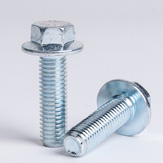
UNS C51900 / PB102 studs, hex head bolts, and heavy nuts engineered for saltwater bronze valves, subsea water intakes, thruster assemblies, and deck equipment prone to marine spray.
Request Marine Bronze Quote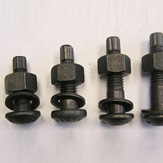
Heavy duty double-ended stud bolts for high-chloride desalination plant brine pumps and piping flanges where duplex stainless steels suffer localized crevice pitting under marine sediment.
Request Marine Bronze Quote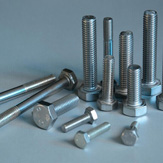
C51000 bolts and Belleville washers maintaining tight clamping torque over decades of thermal cycling in high-voltage substations, transformer bushings, and power distribution switchboards.
Request Electrical Bronze Quote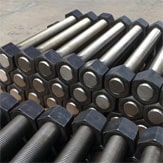
Inherently non-sparking phosphor bronze studs and bonding screws designed for offshore oil platforms, hydrogen production facilities, and chemical plants requiring ATEX-certified grounding paths.
Request Electrical Bronze Quote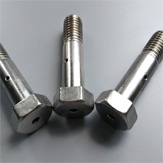
Zero magnetic permeability (μr < 1.001) socket cap screws and precision dowels functioning flawlessly in liquid helium environments (-269°C) without brittle fracture or field interference.
Request Cryo Bronze Quote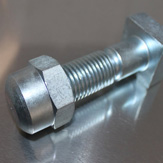
Ultra-clean, degreased C51900 threaded rods and miniature nuts engineered to hold high-frequency superconducting RF shielding and dilution refrigeration stages in quantum laboratories.
Request Cryo Bronze QuoteImmune to barnacle bio-growth, cavitation, and marine spray in submarine hulls, sonar domes, and rudders.
Superior thermal-mechanical elasticity delivering zero-loosening electrical connections under severe current loads.
Non-sparking characteristics combined with remarkable ductile toughness down to cryogenic LNG fluid temps (-162°C).
Eliminates crevice corrosion and stress corrosion cracking in tidal generators, wind splash zones, and subsea risers.
Founded in Mumbai, Maharashtra in 2010, Viha Steel & Forging has developed from an integrated forging facility into one of India's premier export powerhouses for high-tensile, stainless, and specialty non-ferrous fasteners. We represent the gold standard in certified non-ferrous manufacturing:
Our strategic manufacturing location in Girgaum, Mumbai, provides direct logistics access to Nhava Sheva (JNPT) port—one of the largest container ports in South Asia. This enables Viha Steel & Forging to deliver standard stock items and custom project-manufactured Phosphorous Bronze Fasteners directly to Rotterdam, Singapore, Houston, Jebel Ali, and worldwide project destinations with predictable lead times.
With robust engineering consultation and flexible batch runs for both high-volume OEM assembly lines and specialized prototype projects, our commercial conditions align seamlessly with the economic requirements of international EPC buyers.
Comprehensive dimensional schedules, mechanical ratings, and copper alloy reference charts for design engineers and procurement teams.