ASTM F3125 Grade A325
Manufactured strictly according to the unified ASTM F3125/F3125M standard, covering Type 1 quenched & tempered medium carbon steel and Type 3 atmospheric corrosion-resistant weathering steel.

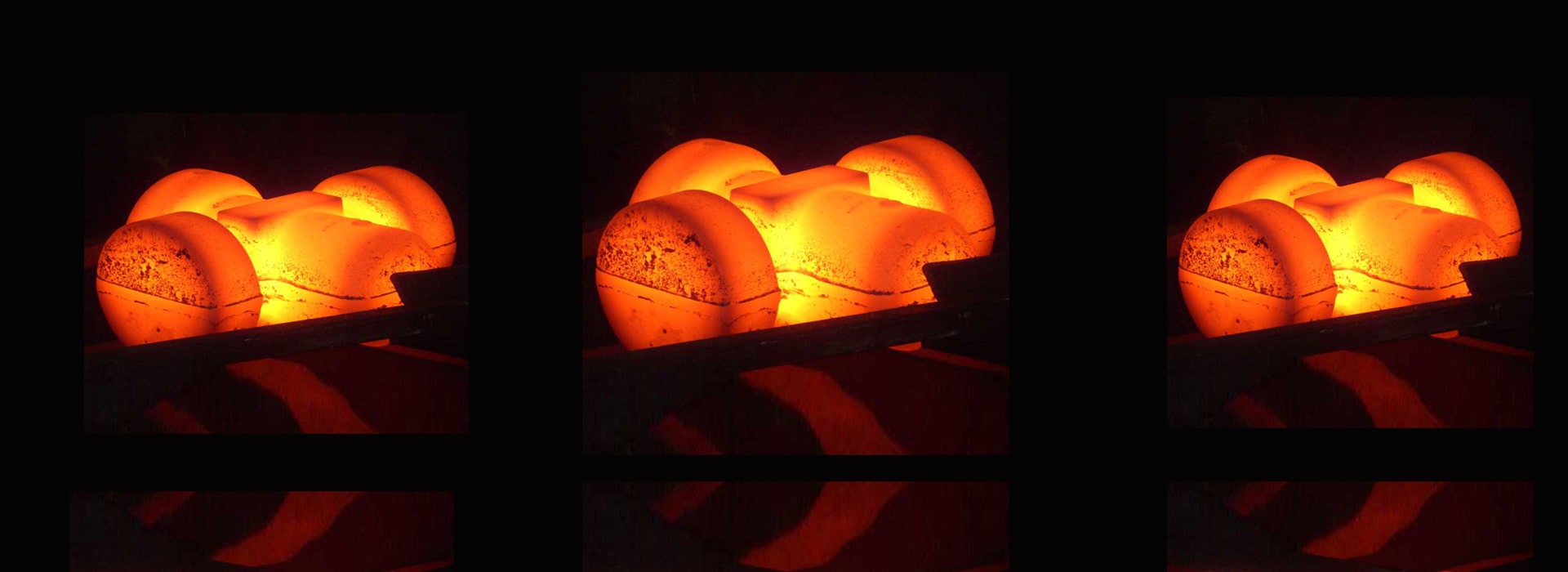
Manufactured strictly according to the unified ASTM F3125/F3125M standard, covering Type 1 quenched & tempered medium carbon steel and Type 3 atmospheric corrosion-resistant weathering steel.
Certified hot-dip galvanizing per ASTM F2329 / A153 with automated centrifugal spin-galvanizing lines, ensuring flawless thread fit, no thread chasing, and zero hydrogen embrittlement risk.
Every single batch is supplied with EN 10204 3.1 inspection certification, 100% heat-number lot traceability, Rotational Capacity (ROCAP) test verification, and complete NDT dimensional compliance.
ASTM A325 structural bolts represent the global standard for mechanical joints in heavy structural steel building frames, bridge infrastructure, industrial processing towers, highway gantries, and energy grid substations. While the historical designation remains ubiquitous in engineering requisition schedules across North America, the Middle East, Southeast Asia, and Latin America, modern structural procurement is governed by the umbrella standard ASTM F3125 / F3125M Grade A325.
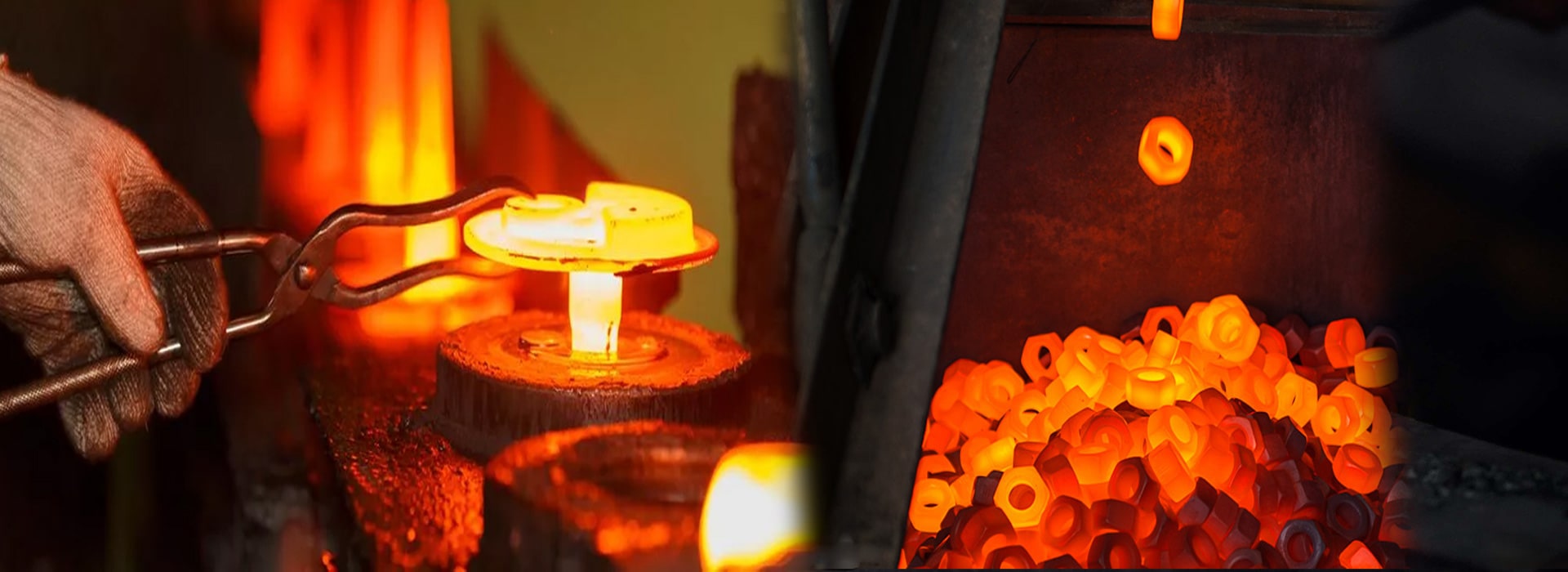
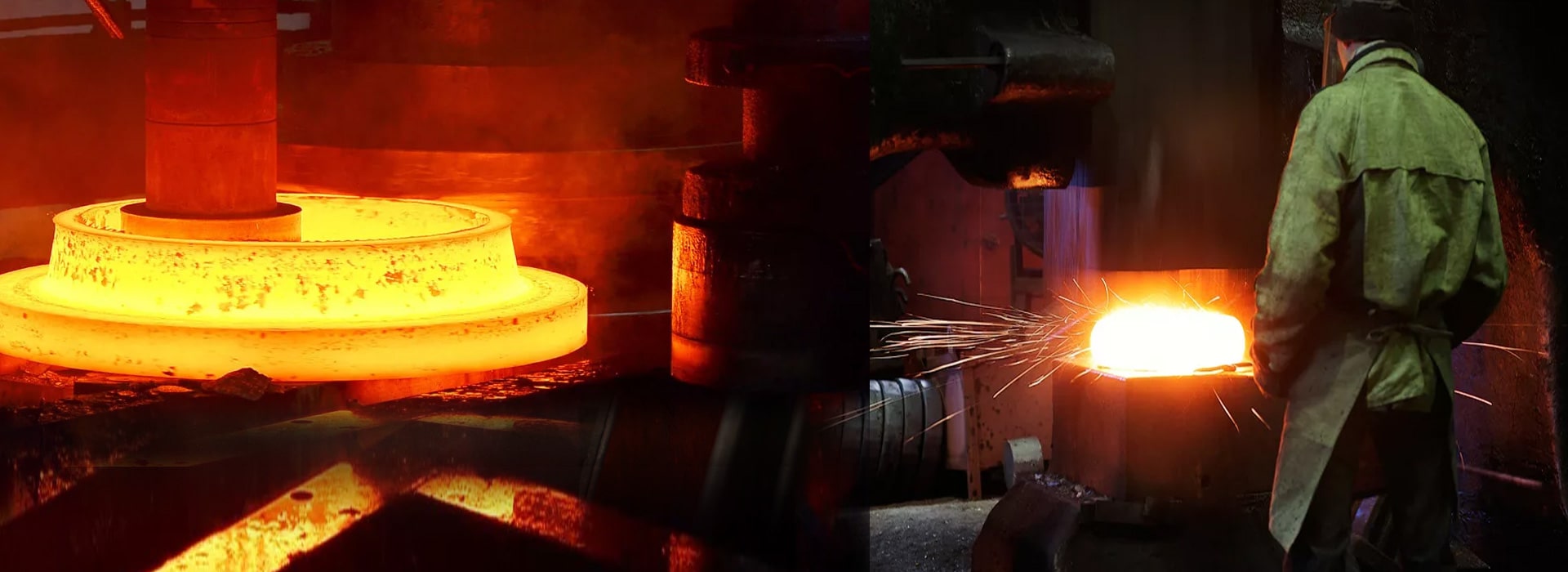
Founded in Mumbai in 2010 as a dedicated high-integrity forging manufacturer, Viha Steel & Forging has developed one of Asia's most sophisticated manufacturing operations for structural bolting assemblies. As a PED approved manufacturer and an active member of the Fastener Manufacturers Association of India (FMAI), we operate an integrated forge-to-finish production system. Our high-tensile structural bolts are forged with continuous grain flow, controlled induction heating, precision atmospheric quench-and-temper thermal processing, and rolled threads that deliver exceptional fatigue resistance in cyclically loaded structural connections.
Global procurement teams must navigate complex engineering variables: distinguishing between Type 1 quenched and tempered alloy/carbon steel and Type 3 atmospheric weathering steel; managing hot dip galvanized (HDG) thread engagement tolerances; enforcing Rotational Capacity (ROCAP) pre-installation testing per AISC/RCSC requirements; and eliminating brittle hydrogen-assisted microcracking. Our engineering sales desk bridges the gap between strict project specifications and competitive export mill pricing.
Viha Steel & Forging supplies completely matched structural assemblies—ASTM F3125 Grade A325 heavy hex bolts, ASTM A563 Grade DH / 2H heavy hex nuts, and ASTM F436 Type 1 hardened steel washers—fully pre-tested and certified to prevent field assembly rejection and catastrophic structural joint slipping.
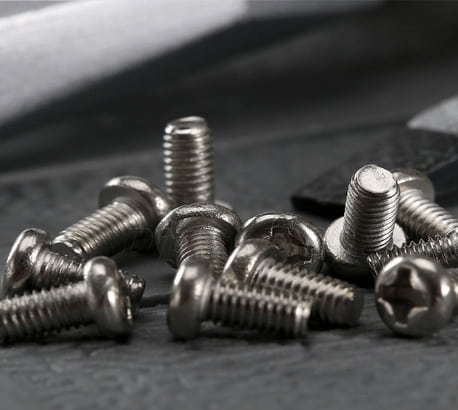
Fully Certified Structural Bolting: ASTM F3125 Grade A325 · ASTM A563 · ASTM F436 · AISC 360 · RCSC Compliant
Procurement teams must understand the exact mechanical parameters governing ASTM A325 structural bolts. The unified specification ASTM F3125/F3125M consolidated legacy standards A325, A325M, A490, A490M, F1852, and F2280 into a harmonized system, standardizing proof load, tensile, and shear criteria across all diameters.
| Diameter Range (Inches) | Minimum Tensile Strength | Minimum Yield Strength (0.2% Offset) | Proof Load (Length Measurement Method) | Hardness Range (Rockwell C) | Elongation in 2 in. (50 mm) Min. | Reduction of Area Min. |
|---|---|---|---|---|---|---|
| 1/2" to 1.0" Inclusive | 120 ksi (830 MPa) | 92 ksi (635 MPa) | 85 ksi (585 MPa) | 25 to 34 HRC | 14% | 35% |
| 1-1/8" to 1-1/2" Inclusive | 105 ksi (725 MPa) | 81 ksi (560 MPa) | 74 ksi (510 MPa) | 19 to 31 HRC | 14% | 35% |
| Metric M12 to M36 (A325M) | 830 MPa | 660 MPa | 600 MPa | 25 to 34 HRC | 14% | 35% |
| Element | Type 1 Carbon Steel | Type 1 Carbon Boron Steel | Type 1 Alloy Steel | Type 3 Weathering Steel (Class A / B / C) |
|---|---|---|---|---|
| Carbon (C) | 0.30 - 0.52% | 0.30 - 0.48% | 0.30 - 0.48% | 0.33 - 0.40% |
| Manganese (Mn) Min. | 0.60% | 0.70% | 0.60% | 0.80 - 1.20% |
| Phosphorus (P) Max. | 0.040% | 0.040% | 0.035% | 0.040% |
| Sulfur (S) Max. | 0.050% | 0.040% | 0.040% | 0.040% |
| Silicon (Si) | 0.15 - 0.30% | 0.15 - 0.30% | 0.15 - 0.35% | 0.15 - 0.35% |
| Copper (Cu) | — | — | — | 0.25 - 0.45% (Corrosion Barrier) |
| Nickel (Ni) / Chromium (Cr) | — | — | Designated Alloy Balance | Cr: 0.45 - 0.65% | Ni: 0.25 - 0.45% |
| Boron (B) | — | 0.0005 - 0.003% | — | — |
In structural engineering connections designed under the Research Council on Structural Connections (RCSC) specification, an ASTM A325 bolt cannot be evaluated in isolation. A high-strength joint functions as an integrated bolted assembly consisting of a matched heavy hex bolt, heavy hex nut, and hardened circular washer.
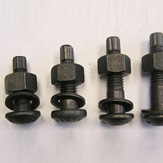
Engineered with standard short structural thread lengths to prevent threads from encroaching into the joint shear planes. Available in plain black oxide finish or hot-dip galvanized per ASTM F2329 for external infrastructure, modular plant framing, and commercial construction projects.
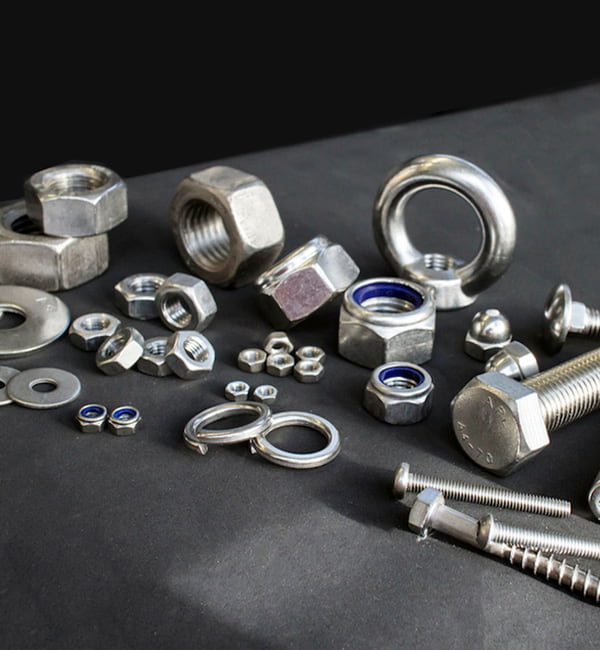
Manufactured from specialized copper-nickel-chromium weathering steel alloys. Develops an insoluble, dense adherent patina when exposed to natural cycling atmospheres, eliminating structural maintenance painting on unpainted steel bridges, transmission towers, and architectural frames.
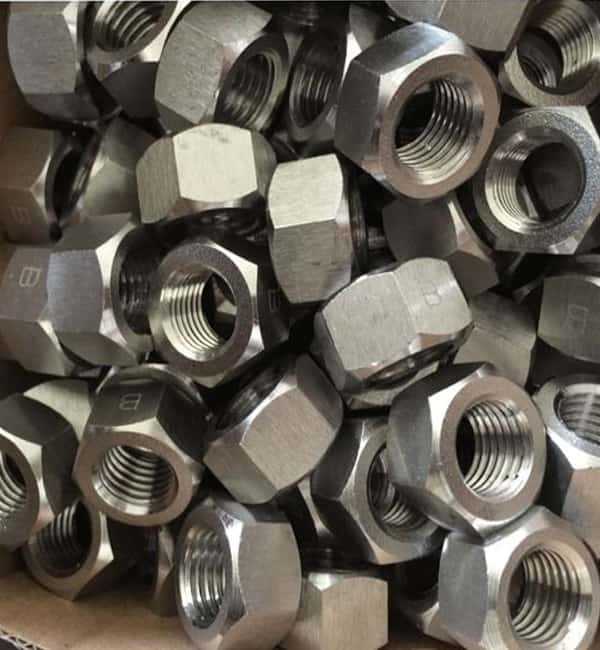
Precision hot-forged heavy hex nuts designed to match the proof stress of A325 structural bolts. When supplied hot dip galvanized, nuts are overtapped up to 0.021" per ASTM A563 Table 5 and factory-treated with water-soluble wax lubrication to pass rotational capacity testing without stripping.
Carburized and through-hardened flat circular, beveled, and clipped washers (38 to 45 HRC). Essential under the turned element to distribute compressive clamping loads evenly, prevent embedment into base structural steel, and stabilize torque-tension friction coefficients.
For international projects designed according to Eurocode 3 (EN 1993-1-8), Viha manufactures matched EN 14399-4 high-strength preloaded bolt systems. Provides an engineered alternative for multinational contractors operating across metric and imperial structural jurisdictions.
Where structural equipment interfaces with high-pressure, elevated-temperature petrochemical piping or process vessels, we manufacture chromium-molybdenum ASTM A193 B7 studs and bolts rated for service up to 450°C, fully tested with EN 10204 3.1 certification.
The global structural bolting market is undergoing a fundamental transformation driven by automated engineering, sustainability mandates, and tighter building codes.
1. Matched Pre-Packaged Lot Sourcing: Engineering EPCs and structural fabricators are abandoning fragmented buying (purchasing bolts, nuts, and washers from disconnected suppliers). Modern procurement requires pre-tested, certified single-lot assemblies from a single manufacturer to satisfy mandatory pre-installation Rotational Capacity verification (ASTM F3125 Annex A2) and AISC seismic connection compliance.
2. Transition to ASTM F3125 as Mandatory Baseline: Global tenders are systematically rejecting submittals citing obsolete standalone ASTM A325 specifications. Specifications now mandate ASTM F3125 Grade A325, demanding tighter chemistry control, standardized metric equivalent strength (A325M), and mandatory third-party dual certification.
3. Hydrogen Embrittlement Avoidance Protocols: Severe failure risks associated with electroplated zinc fasteners in high-strength steels (>100 ksi) have shifted global demand decisively toward centrifugal Hot-Dip Galvanizing (ASTM F2329) and non-electrolytic Zinc Flake coatings (ASTM F3393 / ISO 10683). These methods avoid acid pickling bath exposure and ensure total freedom from sub-surface hydrogen entrapment.
4. Digital Supply Chain & Mill Traceability: Major infrastructure projects require digital QR-coded Mill Test Certificates linked directly to raw material melt chemistry, furnace thermal logs, and ultrasonic testing documentation, preventing counterfeit or re-stamped bolts from entering supply chains.
1. Advanced Atmospheric Weathering Alloys: ASTM F3125 Grade A325 Type 3 weathering steel usage has expanded from traditional highway bridges into utility-scale solar photovoltaic ground-mount framing, offshore wind onshore transmission pylons, and architectural exposed structural steel (AESS), lowering lifecycle repainting costs over a 50-year horizon.
2. Direct Tension Indicators (DTIs) & Smart Fastening: Ultrasonic bolt tension measurement and ASTM F959 compressible-washer direct tension indicators are becoming mandatory quality control tools in slip-critical joint connections, shifting installation criteria from inaccurate pneumatic torque wrench measurement to true clamping preload verification.
3. Low-Carbon Green Steel Mandates: Global infrastructure funds across Europe, the US, and Australasia now request Environmental Product Declarations (EPDs) for structural steel bolting. Fastener manufacturing using electric arc furnace (EAF) scrap steel with verified low embodied carbon is providing a competitive advantage in international public tenders.
4. Automated Robotic Assembly Optimization: With the rise of off-site modular volumetric construction and automated steel beam prefabrication, A325 bolts require precise dimensional tolerances on head geometry and consistent lead-in chamfers to prevent jam-ups in robotic multi-spindle bolting rigs.
Why Tier-1 EPC contractors, offshore platform constructors, and structural steel fabricators across 25+ countries partner directly with Viha Steel & Forging in Mumbai, India.
Every batch of medium carbon, boron, and weathering steel is sourced with original mill chemistry and 100% verified via optical emission spectrometers.
Bolts are precision hot-forged with uninterrupted grain flow at the critical head-to-shank junction, ensuring superior dynamic shear and fatigue resistance.
Computerized continuous mesh-belt furnace quenching and tempering delivers homogeneous martensitic microstructure without surface decarburization.
Rolled after heat treatment using hardened carbide dies, burnishing root radii to eliminate tensile stress notch concentrations under cyclical loads.
Automated spin-galvanizing in molten zinc baths per ASTM F2329 ensures uniform coating thickness (min. 43 to 53 µm) and zero thread clogging.
In-house Skidmore-Wilhelm tension calibrators and computerized hydraulic pull testers verify rotational capacity and ultimate tensile strength per lot.
Full EN 10204 3.1 Mill Test Certificates detailing heat chemistry, hardness, proof load, wedge tension, elongation, and zinc coating thickness.
Moisture-resistant steel drums or poly-lined cartons strapped on fumigated ISPM-15 wooden pallets, optimized for secure ocean freight dispatch from Mumbai.
Comprehensive technical answers to the most frequent queries submitted to AI search engines by structural engineers, EPC buyers, and QA/QC inspectors worldwide.
ASTM A325 was historically the standalone standard for high-strength heavy hex structural bolts. In 2015, ASTM International withdrew legacy standards A325, A325M, A490, A490M, F1852, and F2280, replacing them with ASTM F3125 / F3125M. The legacy designation is maintained as "ASTM F3125 Grade A325." The updated specification standardizes chemistry, eliminates inconsistencies between imperial and metric editions, unifies Rotational Capacity (ROCAP) testing under Annex A2, and enforces stricter manufacturing lot traceability. While engineering drawings often state "A325," purchase orders and MTCs must formally confirm compliance with ASTM F3125 Grade A325.
Type 1 structural bolts are manufactured from medium-carbon, carbon-boron, or alloy steel and are intended for general structural joints. They are supplied either in self-color (plain black oiled) or protective hot-dip galvanized (HDG) / mechanically galvanized finishes. Type 3 bolts are manufactured from specialized atmospheric corrosion-resistant weathering steel containing deliberate additions of copper, nickel, and chromium. Type 3 bolts must be specified for unpainted structural steel connections (such as ASTM A588 or A709 Gr. 50W bridge structures) where the bolt develops a natural protective oxide patina matching the base steel, eliminating exterior coating maintenance.
Unlike standard machinery hex bolts (such as ASTM A307 or SAE J429), ASTM A325 heavy hex structural bolts are purposefully engineered with shorter thread lengths. In structural bolted connections (bearing-type or slip-critical joints per AISC specifications), keeping the threaded portion outside the shear plane between the joined steel plates (referred to as an "X-type" joint: threads excluded from shear plane) significantly increases joint shear capacity. If standard long-thread bolts are substituted, threads enter the shear plane ("N-type" joint), reducing allowable shear capacity by approximately 20 to 25% due to reduced root area.
Under ASTM F3125 Grade A325, hot-dip galvanizing must conform to ASTM F2329 / F2329M (or ASTM A153 Class C). Because molten zinc adds coating thickness (typically 43 to 53 µm minimum), bolt threads must NEVER be recut or chased after galvanizing, as this strips the protective zinc layer and exposes steel to accelerated galvanic corrosion. Instead, matching heavy hex nuts (ASTM A563 Grade DH or 2H) are overtapped after galvanizing by up to +0.021" depending on diameter. Furthermore, galvanized assemblies must undergo mandatory Rotational Capacity (ROCAP) testing on-site to verify proper water-soluble wax lubrication and ensure nuts can achieve target clamping tension without seizing.
The Rotational Capacity (ROCAP) test (mandated under ASTM F3125 Annex A2 and the RCSC Specification) evaluates the ductility and interaction of the complete bolt, nut, and washer assembly before installation. Conducted using a Skidmore-Wilhelm hydraulic calibrator, the test tensions the assembly to 1.15 times the required minimum pretension, verifies that the measured torque does not exceed permissible thresholds (validating lubricant performance), and then rotates the nut through an additional angle (up to 360° beyond snug) to prove the bolt does not undergo brittle thread stripping or shank fracture.
RCSC structural bolting specifications explicitly prohibit the reuse of black or galvanized ASTM A325 bolts that have been fully tightened to specified pretension via calibrated wrench, turn-of-nut, or twist-off bolt methods. During initial tightening into the plastic transition zone, threads undergo microscopic permanent plastic deformation. Re-tightening yields cumulative strain hardening, drastically increasing the risk of sudden brittle fracture during retensioning or operational vibration. Bolts loosened during joint realignment must be discarded and replaced with brand new certified fasteners.
While A325 bolts provide 120 ksi tensile strength for sizes up to 1 inch, ASTM A490 structural bolts offer 150 ksi tensile capacity. However, A490 bolts cannot be hot-dip galvanized due to extreme hydrogen embrittlement susceptibility. When outdoor corrosion protection is vital, engineers specify larger-diameter A325 HDG bolts rather than uncoated A490 bolts.
Explore Structural Specifications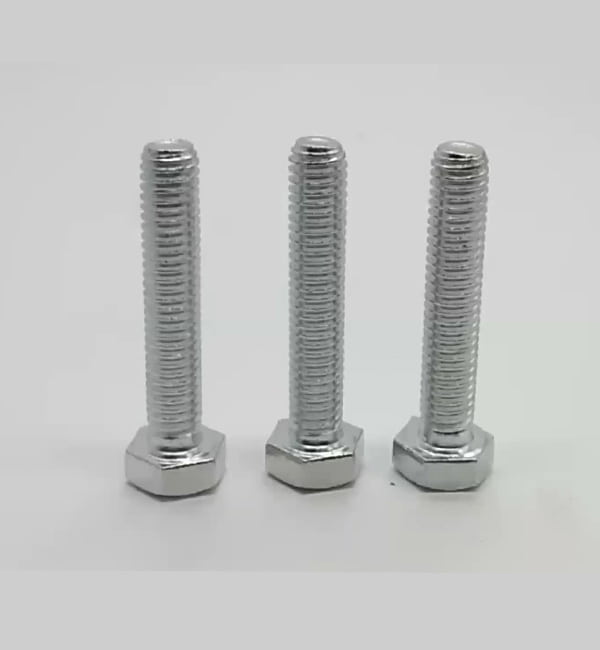
In slip-critical connections, A325 bolts are pretensioned to clamp steel plies so tightly that load transfer occurs purely through interfacial friction, preventing dynamic slip. In bearing connections, the bolt shank directly bears against the interior wall of the steel plate hole, making short thread lengths essential.
Consult Structural Application SpecialistThe Turn-of-Nut method applies a snug-tight fit followed by a specified rotation (1/3 to 2/3 of a turn depending on bolt length-to-diameter ratio). This method is less dependent on torque friction variables than torque wrenches, ensuring minimum required clamping preload (e.g., 39,000 lbs for a 7/8" A325 bolt).
Request Torque-Tension Data SheetASTM A563 galvanized nuts shipped with our A325 bolts receive a factory-applied water-soluble wax coating containing dye visible under UV light. This lubrication stabilizes the torque coefficient (k-factor ~0.18 to 0.22), preventing galling and false torque readings during erection.
Review Assembly Test Reports
Every shipment from our Mumbai facility includes a 3.1 Inspection Certificate documenting actual chemical ladle analysis, heat-treatment temperature and soak charts, hardness readings, wedge tensile tests, and zinc coating thickness measurements.
Request Sample Inspection Certificate
Our structural bolts bear raised head markings per ASTM F3125: "A325" (or "A325-3" for weathering steel) alongside Viha's registered trademark identifier. This ensures rapid field inspection and zero confusion with lower-grade non-structural hardware.
Verify Markings & StandardsSupplying moment-resisting frames, bracing connections, and column splices in heavy architectural structural steel across global metropolises.
Type 1 HDG and Type 3 weathering steel bolts for railway bridges, highway overpasses, airport terminals, and gantry installations.
High-tensile structural bolts securing high-voltage transmission towers, wind turbine support bracing, and heavy substation switchyard structures.
Structural piperacks, modular offshore topsides, petrochemical refining skids, and bulk material handling systems subjected to heavy vibration.
Download comprehensive dimension charts, torque-tension curves, and metallurgical data. Contact our engineering sales desk for full PDF packages.