ASTM A153 & ISO 10684
Certified high-temperature hot dip galvanizing with centrifuge spin cycles guaranteeing uniform zinc coatings between 45 µm to 85 µm without thread clogged runs or bridge defects.
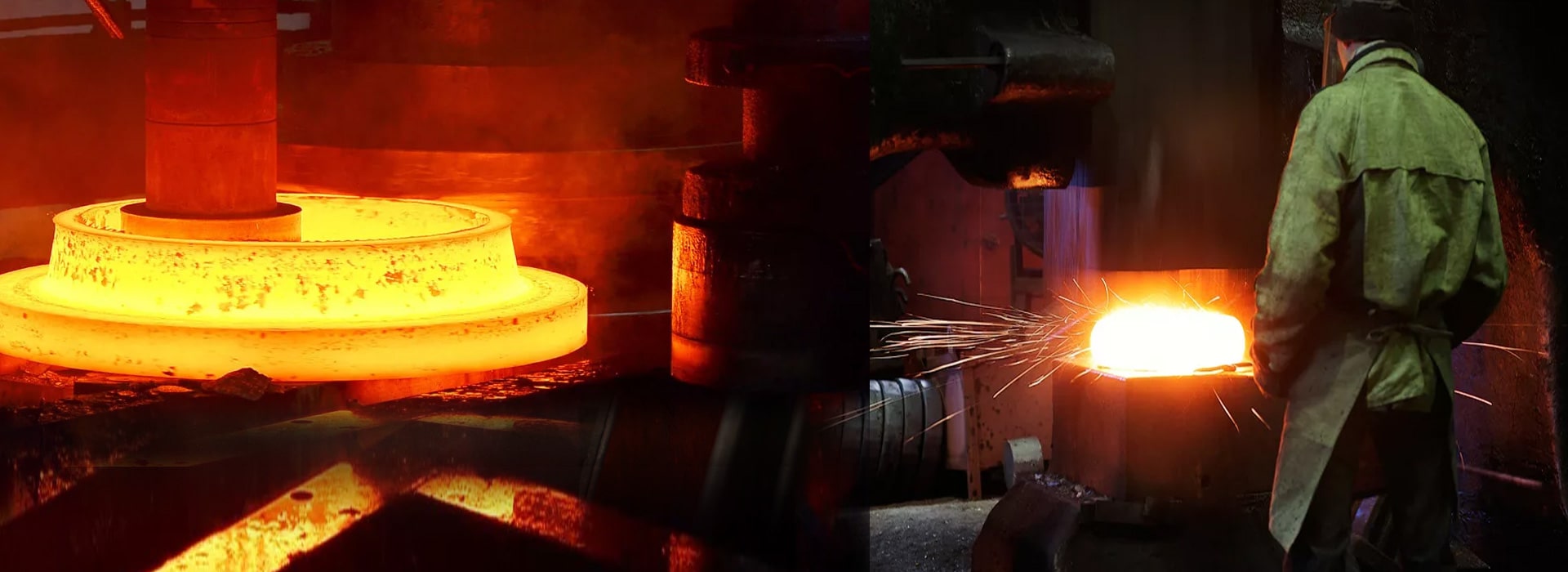
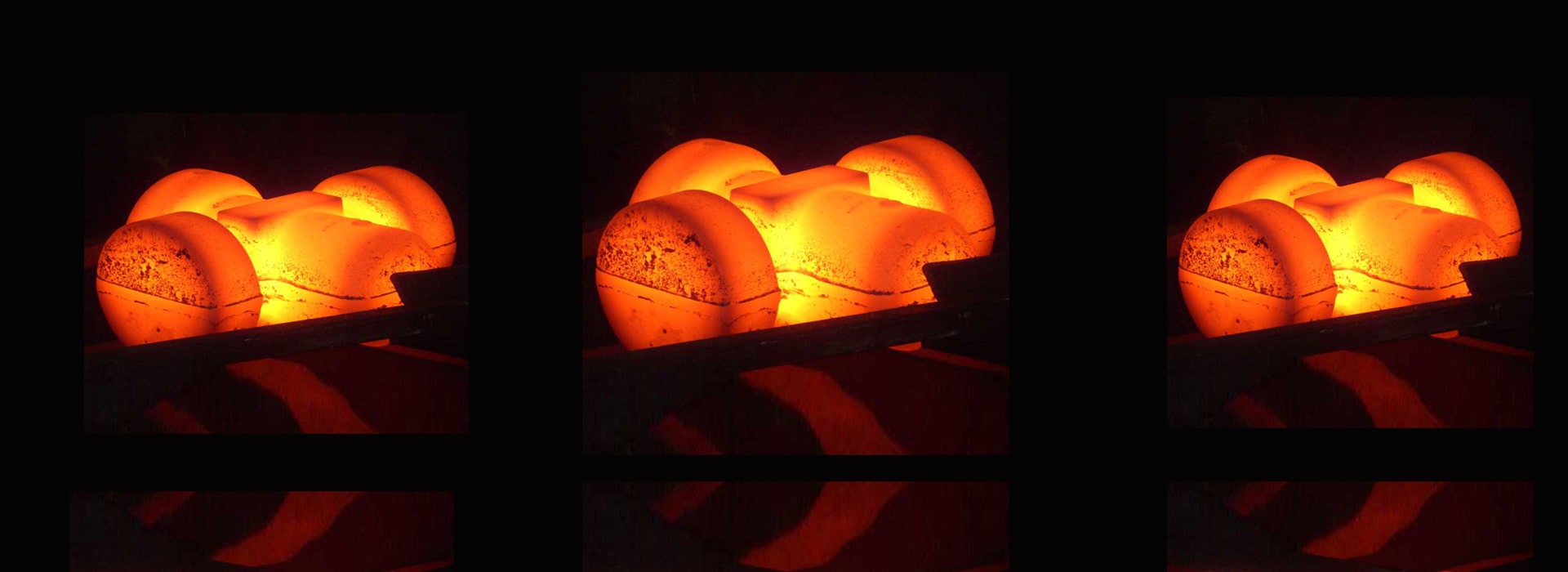
Certified high-temperature hot dip galvanizing with centrifuge spin cycles guaranteeing uniform zinc coatings between 45 µm to 85 µm without thread clogged runs or bridge defects.
Strict mechanical shot blasting (Sa 2.5) paired with automated baking ovens for Class 10.9 and Grade 8 fasteners, eliminating acid absorption and brittle failure under high tensile loads.
Precision matched assemblies with ISO 965-5 (6AZ/6AX) and ASTM A563 overtapped internal threads and anti-galling wax coatings, ensuring consistent k-factor torque application.
In offshore marine terminals, high-voltage transmission lines, solar photovoltaic ground arrays, and deep mining plants, securing heavy structural joints demands far more than basic rust prevention. It requires metallurgically bonded, impact-resistant protection capable of withstanding corrosive C4 and C5-M atmospheric zones for decades.
As India’s 3rd largest exporter of hot dip galvanized fasteners, Viha Steel & Forging (established in 2010 in Mumbai, PED approved manufacturer and proud member of the Fastener Manufacturers Association of India - FMAI) bridges precision metallurgical forging with rigorous hot-dip zinc technology. Sourcing directly from our integrated Mumbai manufacturing facility ensures that every structural bolt, heavy hex nut, fully threaded rod, and double-ended stud from M2 to M100 complies with ASTM A153/A153M Class C, ASTM F2329, and ISO 10684 standards.
Global procurement directors and project engineers face critical risks: thread galling during rapid pneumatic assembly, premature bolt shearing from internal hydrogen embrittlement in high-tensile alloys (such as Grade 10.9 or ASTM A490), and unverified coating thicknesses from intermediary traders. Viha Steel & Forging eliminates these vulnerabilities through 100% heat traceability, mechanical non-acid surface descaling, controlled post-dip baking, and in-house laboratory testing documented on verifiable EN 10204 Type 3.1 Mill Test Certificates.
From cryogenic LNG terminals across Far East Asia to structural marine jetties in the Persian Gulf and West Africa, Viha Steel & Forging engineers high-integrity fasteners built for uninterrupted 50-year design lifespans.
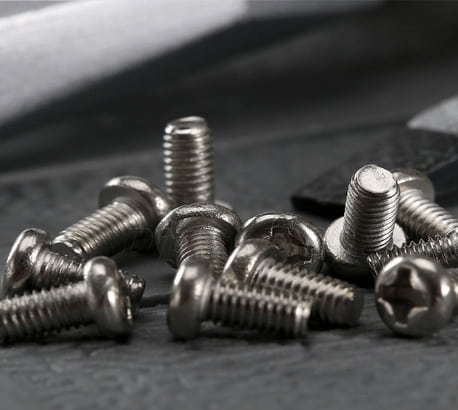
ASTM A153 · ISO 10684 · ASTM A325 · EN 14399-4 · DIN 6921 · ASME B16.5 Compatible Bolting
Discover our core heavy-duty fasteners, engineered with multi-layer zinc-iron intermetallic bonding. Every production lot is centrifugally spun at 450°C–480°C to guarantee smooth thread profiles and uniform corrosion resistance.
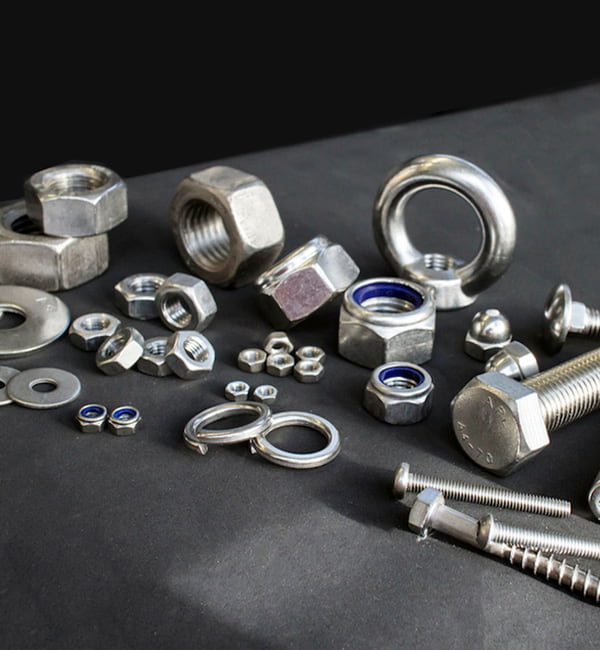
Quenched and tempered alloy steel fasteners engineered for heavy steel infrastructure, cranes, and telecommunications towers. Pre-treated via mechanical blast descaling and de-embrittlement baked to maintain full structural yield without hydrogen-induced failure.
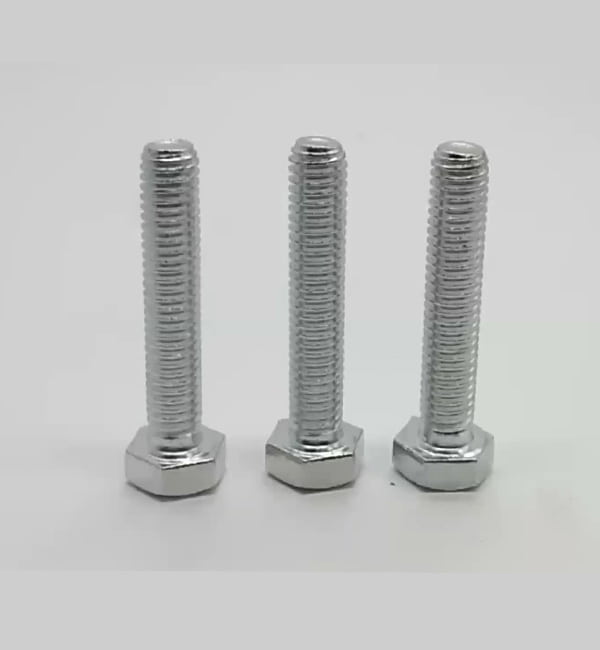
Heavy hex structural bolts widely used in bridge building and industrial architecture. Galvanized in strict compliance with ASTM A153 Class C, equipped with pre-lubricated ASTM A563 DH overtapped heavy hex nuts to control the torque-tension coefficient.
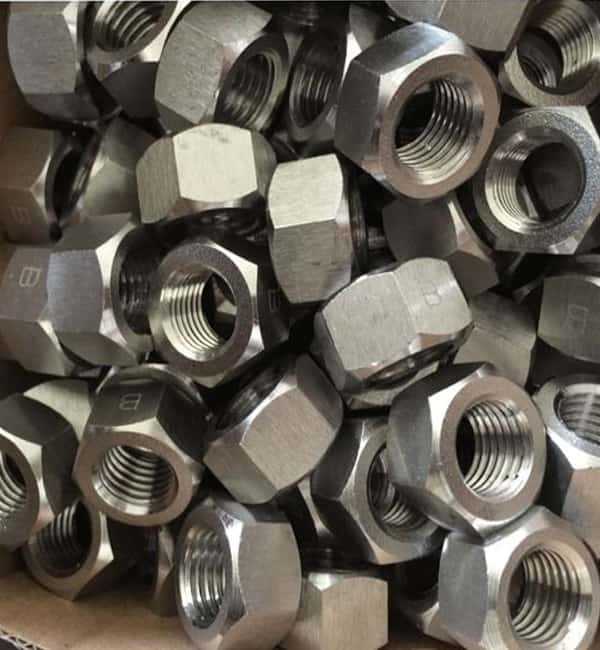
Internal threads tapped after galvanizing to 6AZ or 6AX tolerances per ISO 965-5 and ASTM A563 Gr. C/DH. The exposed raw internal steel thread remains 100% cathodically protected by the sacrificial external zinc coating on the mating bolt.
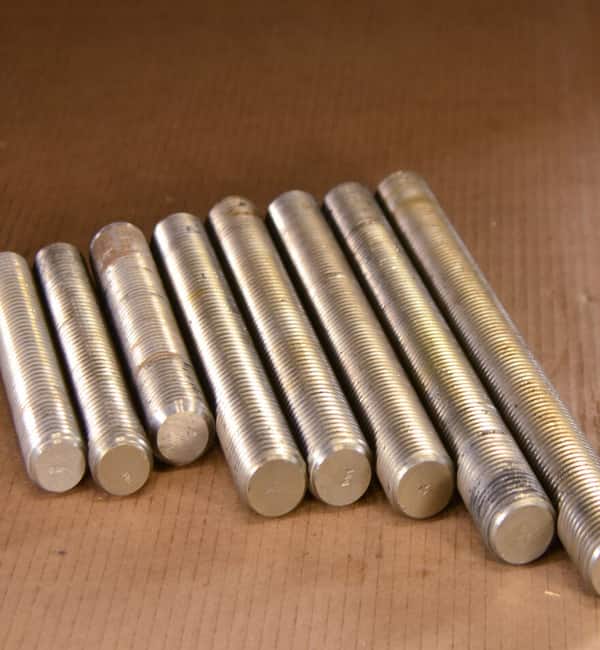
Metric (DIN 975/DIN 976) and UNC 1-meter to 6-meter continuous threaded bars forged in Grade 4.8, 8.8, and ASTM A193 B7. Centrifugally cleared after hot dipping to provide easy nut travel along entire bar lengths without manual thread filing.
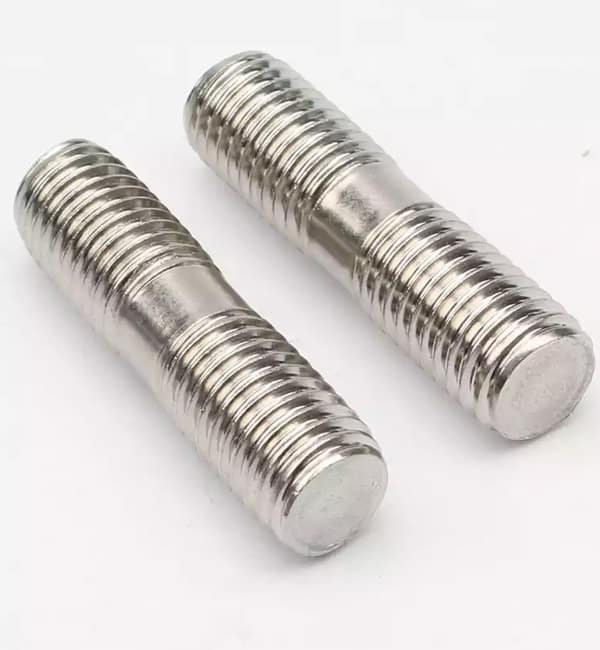
Designed specifically for pipeline flanges, valves, and petrochemical pressure vessels. Carefully hot dip coated with stringent bath temperature modulation to protect metallurgical properties and Charpy impact toughness at elevated or ambient pressures.
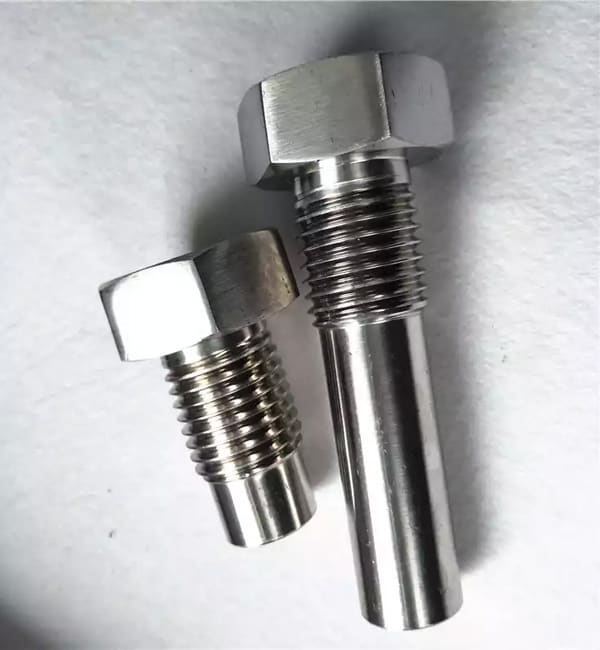
L-type, J-type, and plate-welded embedment foundation bolts in diameters from M16 to M100. Thick hot dip galvanization protects embedded steel against aggressive concrete chemical reactions, alkaline chlorides, and shifting ground moisture.
The global industrial fastening market is undergoing a seismic paradigm shift driven by renewable infrastructure growth and stricter supply chain accountability. Procurement executives and EPC engineering directors are actively adapting their procurement playbooks to meet emerging technical standards:
1. The Massive Rise of Utility-Scale Solar PV & Onshore Wind: Modern solar ground tracking systems require 25- to 35-year warranties in extreme outdoor environments ranging from arid desert sands to humid coastal agricultural zones. Hot dip galvanized fasteners are now favored over thin zinc electroplating (which typically breaks down within 3–5 years). Utility developers specify ASTM A153 Class C and ISO 10684 fasteners because the sacrificial zinc coating self-heals hairline gouges incurred during high-torque field installation.
2. Tightening Carbon Border Mechanisms (CBAM) and Recycled Steel Sourcing: European and North American buyers are moving away from unregulated micro-workshops toward verified, energy-efficient manufacturing mills. Viha Steel & Forging utilizes induction furnaces with low emissions, fully traceable certified billets, and lead-free (99.995% pure) zinc baths to lower embodied Scope 1 and Scope 2 carbon footprints while satisfying stringent environmental declarations.
3. Transition Toward Matched Pre-Lubricated Assemblies: Project managers are abandoning the historical practice of sourcing bolts from one supplier and nuts from another. Mismatched zinc coating thickness causes site assembly seizure and thread galling. Forward-thinking procurement plans mandate single-source, factory-calibrated bolt-nut-washer assemblies with specialized colored wax or polymer sealants to guarantee predictable clamping preloads under robotic and pneumatic torquing.
As operating environments grow harsher and joint loads escalate, fastener metallurgy and hot dip surface technologies are advancing rapidly:
Next-Gen Zinc-Aluminum-Magnesium (Zn-Al-Mg) Hot Dip Formulations: Emerging specifications are adopting multi-element baths containing 1% to 3% magnesium and aluminum. These micro-alloys generate a dense, impermeable corrosion crust that slows zinc degradation, providing up to three times greater salt-spray resistance than traditional hot dip baths at equal film thicknesses.
Micro-Alloyed High-Tensile Steels Resistant to Hydrogen Creep: Traditional 10.9 and 12.9 high tensile bolts have historically been prone to hydrogen cracking when exposed to chemical baths. Viha Steel is pioneering the use of modified boron and vanadium alloyed steels with finely dispersed carbides that pin atomic hydrogen internally, preventing embrittlement while retaining exceptional tensile and yield capacities.
Digital Heat Traceability and QR-Coded Batch Tracking: Engineering procurement is entering the era of digital twin documentation. Viha Steel integrates laser-etched heat codes on larger-diameter structural bolts (M24–M100) linked to secure cloud MTC repositories, giving field inspectors instant access to Charpy impact scores, chemical heat analyses, and plating thickness measurements directly on site.
Cross-reference critical dimensional tolerances, zinc coating weights, minimum thicknesses, and mechanical performance limits before finalizing your bill of materials.
| Product Category | Governing Standard | Steel Grade / Property Class | Min Zinc Thickness | Internal Thread Allowance | Primary Recommended Applications |
|---|---|---|---|---|---|
| Heavy Hex Structural Bolts | ASTM F3125 (A325 / A490) / A153 | Type 1 (Medium Carbon Alloy, Q&T) | 53 µm (1.50 oz/ft²) | Mated with A563 DH (Overtapped) | Bridges, skyscrapers, structural steel trusses, stadium arches |
| Metric Structural Bolting | EN 14399-4 / ISO 10684 | Class 8.8 & 10.9 HV | 50 µm (Batch Average) | Matched EN 14399-4 Class 10 Nut (6AZ) | European wind energy structures, offshore platforms, cranes |
| Heavy Hex Flange & Machine Bolts | DIN 6921 / ISO 4014 / ISO 10684 | Class 8.8 / Carbon Steel | 45 µm – 55 µm | Mated with DIN 6923 / ISO 4032 (6AZ) | Modular mining equipment, heavy conveyors, transportation rail |
| Petrochemical Flange Studs | ASTM A193 B7 / ASTM A153 Class C | AISI 4140 Chromium-Moly Alloy | 50 µm (De-embrittlement Baked) | Mated with ASTM A194 2H Overtapped | Offshore oil platforms, coastal LNG storage tanks, valves |
| Continuous Threaded Rods | DIN 975 / 976 / ASTM A193 B7 | Grade 4.8, 8.8, Class B7 | 45 µm – 65 µm (Centrifuge Spun) | Standard ISO 6H or Overtapped 6AZ | Tunnel seismic bracing, MEP hangers, pipe rack suspensions |
| Civil Foundation & Anchor Bolts | ASTM F1554 / ISO 10684 | Grade 36, Grade 55, Grade 105 | 55 µm – 85 µm | ASTM A563 Grade A or DH | Wind turbine bases, electrical transmission towers, port jetties |
Every fastener passing through Viha Steel & Forging undergoes an 8-stage manufacturing process to eliminate metallurgical weaknesses and ensure thread precision.
Direct optical emission spectrometry (OES) analysis of every steel billet heat to ensure precise silicon and phosphorus ranges, preventing hyper-reactive Sandelin growth during galvanizing.
Controlled grain-flow upset forging from M2 up to M100 preserves core fiber integrity, boosting cyclic shear resistance and tensile impact toughness under severe project loads.
Controlled-atmosphere continuous furnaces adjust core hardness and yield limits to Property Class 8.8, 10.9, or ASTM A193 B7 specifications before any galvanizing operations occur.
Mechanical centrifugal wheel shot blasting (Sa 2.5) replaces hydrochloric acid pickling for high tensile bolts, completely eliminating atomic hydrogen exposure before galvanizing.
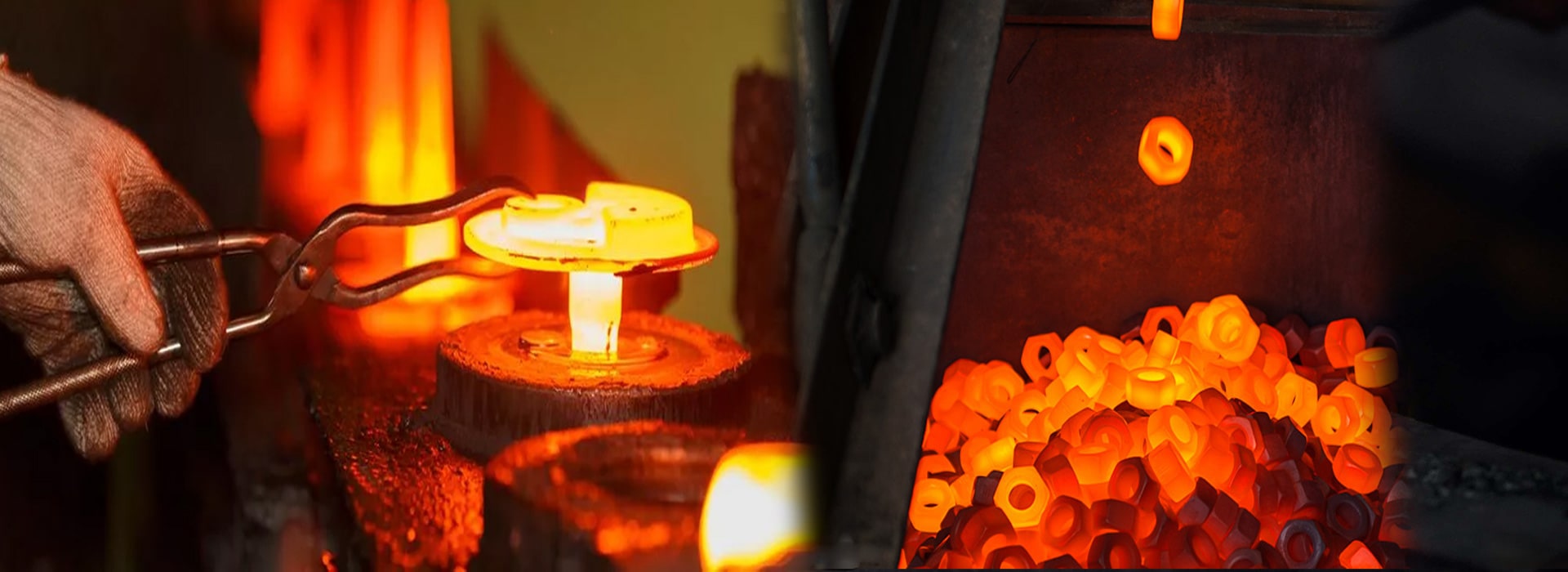
Fasteners are submerged in high-purity molten zinc baths at 450°C–480°C, followed by immediate high-speed variable spin centrifuging to clear thread valleys without bridging.
Mandatory continuous baking in calibrated industrial convection ovens (190°C–220°C for 4–24 hours) drives out any trapped internal hydrogen from hardened alloy components.
Zinc coating thicknesses are verified via magnetic induction (ASTM B499), while mating threads are inspected using class 6AZ/6AX plug gauges and rotational capacity (RC) testers.
Packaged in treated wooden crates and reinforced steel-strapped drums lined with VCI moisture barrier bags to prevent white rust formation during transoceanic shipping.
Below are real-world technical and commercial questions most frequently asked by global EPC estimators, QA/QC engineers, and project buyers sourcing Hot Dip Galvanized Fasteners.
Chasing external bolt threads after hot-dip galvanizing strips away the zinc-iron alloy layers (Gamma, Delta, Zeta, and Eta), leaving raw base steel directly exposed to oxygen and moisture. This creates severe galvanic hot spots, drastically accelerating localized pitting corrosion. International standards like ASTM A153 and ISO 10684 require all thread overtapping to be performed strictly on internal threads (mating nuts) using 6AZ or 6AX tolerances.
Hydrogen embrittlement occurs when atomic hydrogen enters hardened alloy steel during chemical pickling prior to galvanizing. For high tensile bolts with tensile strengths exceeding 1000 MPa or hardness over 32 HRC, this triggers sudden, catastrophic brittle fracture under tension. Viha Steel enforces mechanical blast cleaning (shot blasting to Sa 2.5) instead of acid pickling, followed by mandatory de-embrittlement baking at 190°C–220°C for 4 to 24 hours.
Under ASTM A153 Class C (for threaded fasteners over 3/8-inch diameter), the average minimum coating weight required is 1.25 oz/ft² (~43 µm local minimum) and 1.50 oz/ft² (~53 µm average). ISO 10684 specifies a local average minimum thickness of 40 µm and an overall batch mean thickness of 50 µm for metric fasteners larger than M6. Both standards provide reliable barrier and sacrificial cathodic protection in demanding marine environments.
Hot dip galvanizing typically deposits 45 to 80 microns of zinc on thread surfaces. To allow proper assembly, internal threads of mating nuts are overtapped per ISO 965-5 or ASTM A563. Because zinc-on-zinc interfaces exhibit high friction and galling tendencies, the nut factor (k) spikes from 0.15 (plain oiled steel) to over 0.35–0.45. To prevent bolt yield failures during installation, Viha supplies factory-applied wax, moly-disulfide, or polymer lubricants to calibrate torque values to a consistent k=0.10–0.12 range.
Direct uninsulated contact between HDG steel and stainless steel or aluminum in conductive coastal environments triggers galvanic corrosion. Zinc acts sacrificially and rapidly corrodes when paired with high galvanic potential metals like 304/316 stainless steel. Viha recommends non-conductive dielectric isolation kits—including Mylar or phenolic sleeves, neoprene or G10 insulating washers—to break electrical continuity between dissimilar metals.
Every consignment exported by Viha Steel & Forging includes EN 10204 Type 3.1 Mill Test Certificates traceable to individual heat numbers. The MTC includes chemical analysis, tensile strength, proof load, Charpy V-notch impact values, magnetic particle/liquid penetrant NDT inspection records, magnetic thickness gauge reports for the HDG zinc layer per ASTM B499/ISO 2178, and rotational capacity (RC) test data.
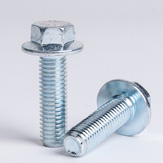
High-integrity property class 8.8 and 10.9 hot dip galvanized flange bolts. The integrated serrated or smooth flange evenly distributes clamp stress across oversized structural holes.
Read More
Heavy hex high-strength bolts manufactured per ASTM F3125 Grade A325. Supplied complete with hot dip galvanized ASTM A563 DH overtapped heavy hex nuts and F436 hardened washers.
Read More
Custom stud and bolt configurations manufactured for pairing with ASME B16.5 pipeline flanges in port jetties, oil refineries, and marine fuel bunkering berths.
Read More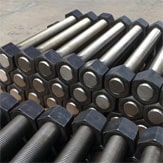
Chromium-molybdenum AISI 4140 high-strength continuous thread studs. Hot dipped per ASTM A153 with stringent hydrogen de-embrittlement baking for pressure pipe flanges.
Read More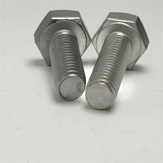
Standard carbon steel machine bolts and foundation studs featuring 60,000 psi minimum tensile strength. Thick hot-dip galvanizing protects light structural joints and equipment skids.
Read More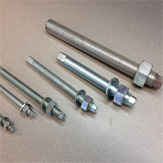
Precision-spun continuous threaded bars in Grade 4.8, 8.8, and B7. Free of zinc burrs and lumps to ensure continuous nut travel along lengths up to 6 meters.
Read More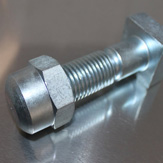
Preloadable high-strength structural bolt assemblies for European infrastructure. Centrifugally galvanized to ISO 10684, complete with matched nuts and pre-lubricated washers.
Read More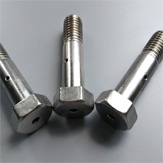
Engineered bolting solutions for coastal ports and offshore structures, featuring high tensile strength and sacrificial zinc-layer barrier resistance.
Read More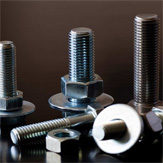
Access our comprehensive metallurgical charts covering thread pitch allowances, proof loads, tightening torques, and zinc layer salt-spray ratings.
Photovoltaic ground tracking arrays, transmission towers, and wind turbine anchor cages needing 30+ year maintenance-free outdoor life.
ASME flange bolting, offshore refinery pipe racks, and LNG terminal platforms exposed to salt spray and chemical sulfur atmospheres.
Highway viaducts, coastal jetties, railway overpasses, and heavy portal trusses demanding fatigue-rated high tensile bolting assemblies.
Vibrating screens, port conveyor structures, and ore processing plants requiring heavy impact resistance and abrasion durability.
Download our complete dimension tables, torque calibration curves, zinc weight calculators, and project procurement references.