High-Strength System HV
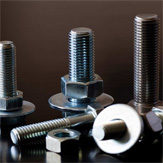
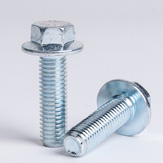
Certified EN 14399-4 Class 10.9 preloaded structural bolts engineered with large head dimensions and ductile thread deformation under the nut for high fatigue resistance.
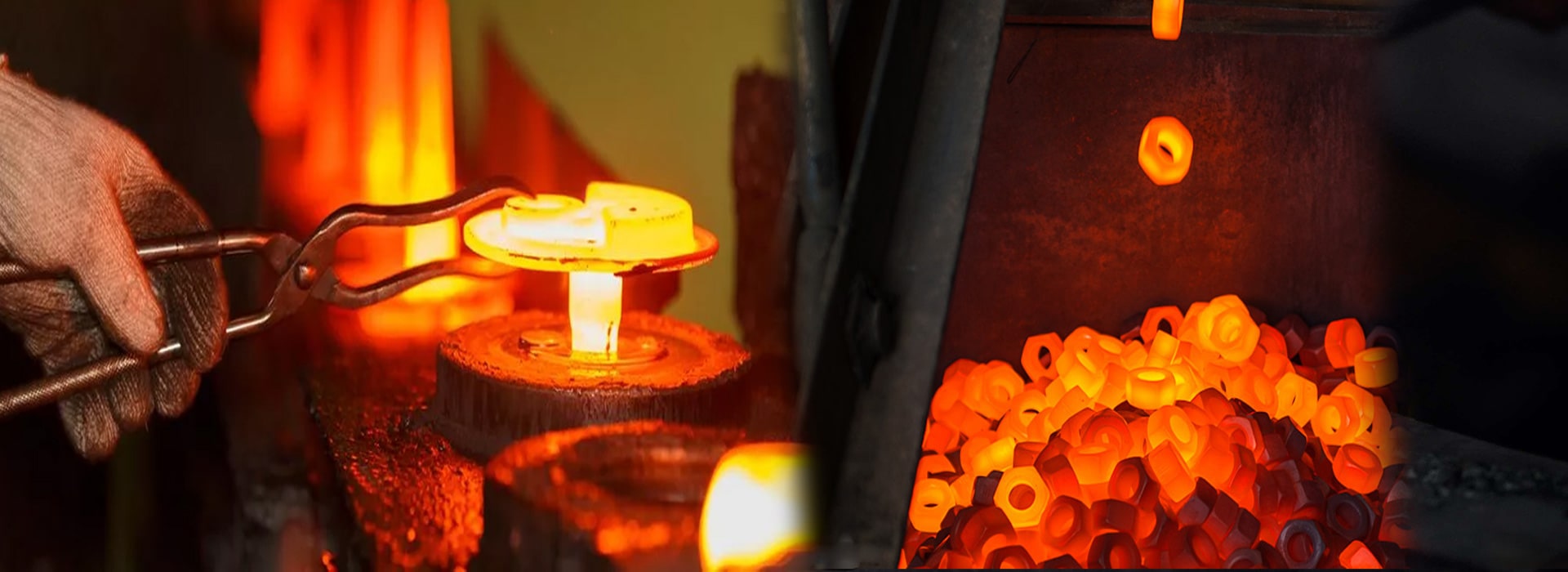
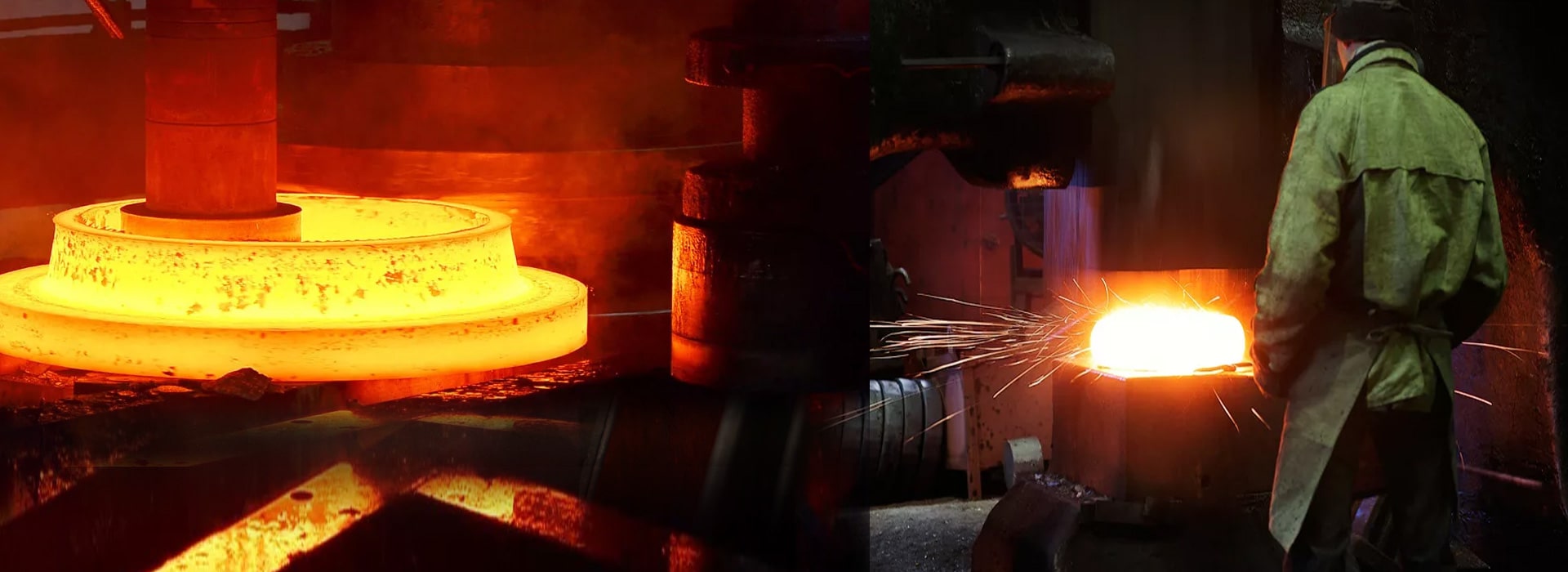
Certified EN 14399-4 Class 10.9 preloaded structural bolts engineered with large head dimensions and ductile thread deformation under the nut for high fatigue resistance.
Supplied as complete matching assemblies (Bolt + Nut + Washers) compliant with K1 and K2 K-factor torque coefficients for predictable preloading force under EN 1090-2.
PED-approved manufacturing with 100% heat batch traceability, Charpy V-notch impact testing at -20°C, non-destructive testing (NDT), and EN 10204 3.1 certification.
In high-integrity structural steelwork—including highway bridges, high-rise building frames, industrial cranes, and offshore wind turbine structures—connection integrity relies strictly on controlled preloading. **EN 14399-4 10.9 HV Bolts** (System HV: *Hochfest Verschraubbar*) represent the European benchmark for high-strength structural bolting assemblies intended for preloading under EN 1090-2 and Eurocode 3 (EN 1993).
Manufactured by **Viha Steel & Forging** in Mumbai, India, our EN 14399-4 Grade 10.9 HV bolt sets are engineered for critical applications where high clamp force, fatigue resistance, and shear resistance are paramount. Unlike standard metric hex bolts (such as DIN 931 or ISO 4014), System HV features specialized head dimensions, altered thread length ratios, and a unique plastic deformation mechanism in the nut thread that prevents sudden brittle shank failure under over-torquing.
As a leading Indian manufacturer established in 2010, Viha Steel & Forging guarantees full metallurgical traceability, certified K-factor torque suitability testing, and custom hot-dip galvanized or zinc flake finishes aligned with international project specifications.
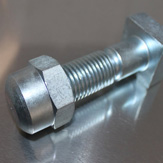
PED Approved High Strength Preloaded Structural Fastener Manufacturer · Exporting from Mumbai, India
Global EPC contractors and structural engineers often evaluate the distinction between European System HV (EN 14399-4) and System HR (EN 14399-3) when designing preloaded steel connections. Below is a definitive engineering analysis providing genuine information gain.
Origin & Design Philosophy: Developed predominantly in Germany and Central Europe, System HV utilizes a shorter thread length and a thinner nut height relative to bolt diameter. During controlled tightening beyond the yield point, plastic strain is purposely directed into the engaged threads of the nut rather than the bolt shank.
Key Advantages: Gives early visual and tactile feedback of over-torquing before bolt shank fracture occurs. High resistance to fatigue under cyclic dynamic loads (e.g., railway bridges, crane gantry girders). Requires paired EN 14399-4 Class 10 nuts and EN 14399-5 / EN 14399-6 hardened washers under both bolt head and nut.
Origin & Design Philosophy: Originating from British and French structural practices, System HR utilizes a taller nut and longer thread runout. Under excessive tensile loading, deformation occurs predominantly in the elongated threaded shank of the bolt.
Key Differences: System HR bolts exhibit higher total elongation capacity in the bolt shank, whereas System HV achieves superior performance in compact, shear-critical connection plates where grip lengths ($\Sigma t$) are shorter and stiffer.
| Parameters / Norm | EN 14399-4 System HV | EN 14399-3 System HR | ASTM F3125 Grade A325 | ASTM F3125 Grade A490 |
|---|---|---|---|---|
| Property Class / Material | 10.9 Alloy Steel (Quenched & Tempered) | 8.8 or 10.9 Quenched & Tempered | Medium Carbon / Alloy Steel | Alloy Steel (Quenched & Tempered) |
| Min. Tensile Strength ($f_{ub}$) | 1000 MPa (1040–1200 MPa actual) | 800 MPa / 1000 MPa | 120 ksi (830 MPa) | 150 ksi (1035 MPa) |
| Min. Yield Strength ($f_{yb}$) | 900 MPa | 640 MPa / 900 MPa | 92 ksi (635 MPa) | 130 ksi (895 MPa) |
| Min. Impact Energy ($A_v$) | ≥ 27 J at -20°C | ≥ 27 J at -20°C | Not standard (Optional) | Not standard (Optional) |
| Preload Suitability Test | Mandatory per EN 14399-2 ($k$-class K1, K2) | Mandatory per EN 14399-2 | Rotational Capacity Test | Rotational Capacity Test |
| Tightening Methods Allowed | Torque Method, Combined Method, HRC | Torque, Combined, DTI | Turn-of-Nut, Calibrated Wrench | Turn-of-Nut, Calibrated Wrench |
Viha Steel & Forging produces fully certified, matched preloading bolt assemblies packed as single-source sets to guarantee friction coefficient consistency and eliminate installation failures.
Lightly oiled black oxide finished EN 14399-4 HV bolt sets (M12 to M36) for indoor steel construction, industrial plant framing, and secondary structural joints requiring immediate field painting.
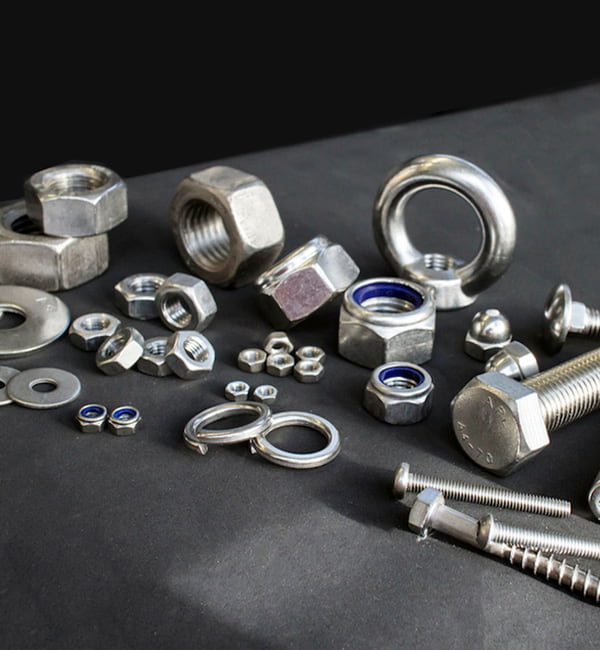
ISO 10684 hot-dip galvanized 10.9 HV assemblies with over-tapped 6AZ nuts and specialized anti-galling lubrication. Tested for K2 class preloading torque compliance in harsh coastal bridge environments.
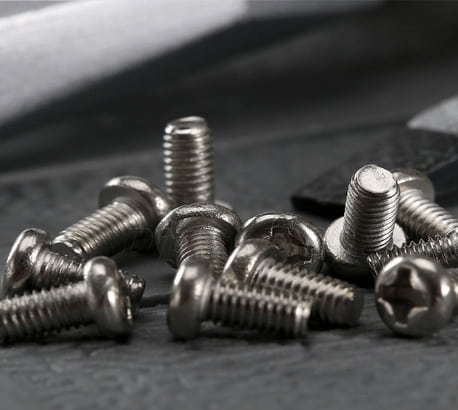
Non-electrolytic zinc flake coatings (ISO 10683) offering 1000+ hours salt spray corrosion resistance without any risk of Hydrogen Embrittlement (HE), ideal for wind tower flanges and high-speed rail structures.
As structural engineering shifts toward decarbonization, automated assembly, and stringent digital traceability, global procurement directors must adapt to four major evolving industry trends.
European EPCs and government transport authorities are increasingly mandating Low-Carbon Fasteners with verifiable Environmental Product Declarations (EPD) per EN 15804. Viha Steel & Forging is partnering with electric arc furnace (EAF) steel mills in India to offer low-carbon alloy steel wire rods for EN 14399-4 bolt forging, significantly cutting Scope 3 embedded carbon emissions.
Traditional "turn-of-nut" installation is rapidly giving way to digital torque-angle wrenches operating on **K2 class assemblies** (where torque coefficient $k$-factor is tightly bound between 0.10 and 0.16). K2 class bolting minimizes preloading scatter, allowing structural engineers to optimize plate thickness and reduce total connection weight by up to 12%.
Per EN 14399-9, the integration of Direct Tension Indicator (DTI) washers with EN 14399-4 HV bolts is becoming standard in complex bridge girders. DTIs provide instant visual verification of correct preloading force ($F_{Cd}$) via squirt-medium silicone or feeler gauge inspection, bypassing ambient temperature torque variations.
High-strength 10.9 grade bolts exposed to acid-pickling during traditional hot-dip galvanizing carry potential risks of hydrogen-assisted cracking if process controls fluctuate. Advanced zinc flake coatings (ISO 10683) and automated dry-film lubricants are rapidly dominating offshore wind and power grid procurement due to zero hydrogen exposure during coating application.
Exhaustive answers to technical queries compiled from structural engineers, QA inspectors, and global B2B procurement managers.
Standard DIN 931 or ISO 4014 bolts are designed for general engineering non-preloaded or lightly clamped connections. EN 14399-4 10.9 HV bolts are specifically certified preloading structural fasteners manufactured to System HV standards. They feature larger head widths across flats ($S$) to reduce contact pressure under the head, shorter thread lengths to maximize shear load capacity across the unthreaded shank, and paired nuts (EN 14399-4 Class 10) engineered to yield plastically before shank fracture occurs under excessive torque load.
According to EN 14399-1, preloaded high-strength bolting assemblies must be delivered as matched, single-source systems in their original unopened packaging. The preloading force ($F_{Cd} = 0.7 f_{ub} A_s$) relies on strict calibration of the torque coefficient ($k$-factor). Mixing bolts from one manufacturer with nuts or washers from another disrupts thread friction and washer hardness consistency, leading to inaccurate clamp force and potential joint slippage or fastener fatigue failure.
K-classes define the scatter range of the friction torque coefficient ($k$). K0 indicates no preloading torque values supplied (tightened via torque-angle combined method). K1 specifies $k$-values strictly between 0.10 and 0.16 without individual scatter measurement. K2 requires full statistical verification where individual mean $k$-value is $0.10 \le k_m \le 0.16$ with a coefficient of variation $V_k \le 0.06$. Viha Steel & Forging supplies certified K1 and K2 assemblies calibrated on certified tensile load cell test rigs.
No. Standard structural codes (EN 1090-2) strictly forbid the re-use of preloaded high-strength 10.9 bolts once they have been fully preloaded. During initial preloading, the threads of the bolt shank and mating nut undergo localized plastic deformation, altering the friction characteristics and fatigue boundary. Unsetting and re-torquing previously preloaded bolts yields unpredictable clamp tension and severe risks of sudden thread stripping or fatigue fracture.
EN 14399-4 HDG bolts are galvanized in accordance with ISO 10684. To accommodate the 40–60 $\mu\text{m}$ zinc coating thickness without causing thread interference or binding, mating EN 14399-4 nuts are over-tapped after hot-dip galvanizing to thread tolerance class 6AZ (ISO 965-5). The nuts are then re-lubricated with certified dry wax lubricants to ensure $k$-factor compliance before factory packaging.
Every shipment is accompanied by a certified EN 10204 3.1 MTC containing: Chemical composition heat analysis (C, Si, Mn, P, S, Cr, Mo, B), Quench & Tempering heat treatment details, Tensile strength ($f_{ub}$), Proof load testing, Elongation ($A\%$), Charpy V-Notch Impact energy ($J$ at -20°C), Core & Surface Hardness (HRC/HV), Thread pitch diameter dimensional inspection, and EN 14399-2 suitability preloading test results ($k$-factor and $F_{bi,\max}$).
Head Width Across Flats ($S$): 22mm (M12) to 60mm (M36). Large seating area reduces surface crushing stress on structural steel connection plates.
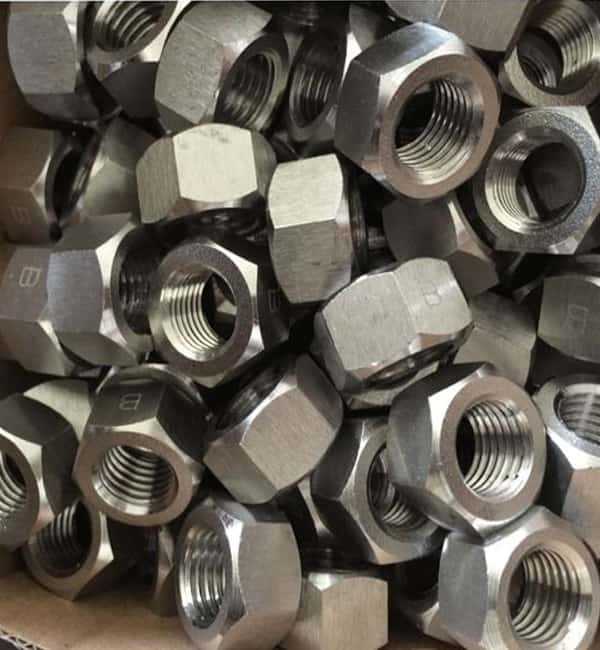
Nut Height ($m$): Designed thin relative to diameter (0.8d) to facilitate controlled thread ductility under extreme preloading stress.
Tensile Strength: 1000–1200 MPa | Yield Strength: 900 MPa | Elongation ($A$): ≥ 10% | Reduction of Area ($\frac{Z}{100}$): ≥ 48% | Hardness: 32–39 HRC.
Guaranteed minimum 27 Joules at -20°C (-40°C available upon special request for Arctic infrastructure and cryogenic structural projects).
Nominal Preload Force ($F_{Cd} = 0.7 f_{ub} A_s$): M16 = 88 kN | M20 = 137 kN | M24 = 198 kN | M30 = 314 kN | M36 = 458 kN.
Combining over 15 years of technical expertise, fully integrated heat treatment infrastructure, and strict compliance with European Pressure Equipment Directive (PED) and structural bolting standards.
Our continuous mesh-belt heat treatment furnaces in Mumbai feature computer-controlled temperature zone management to guarantee exact martensitic grain transformation, uniform core hardness (32–39 HRC), and zero surface decarburization across every 10.9 grade heat batch.
As one of India’s top 3 exporters of Hot-Dip Galvanized structural fasteners, Viha Steel & Forging operates dedicated galvanizing lines equipped with high-speed centrifuges to deliver uniform coating thickness, pristine thread execution, and zero hydrogen embrittlement.
Our laboratory is outfitted with digital tension-load cells and computerized torque-tension testing rigs certified to EN 14399-2. Every lot of HV bolt assemblies is pre-tested for torque coefficient ($k$-factor) accuracy before sealing into weatherproof export boxes.
Located in Girgaum, Mumbai, near JNPT sea port, we ship EN 14399-4 10.9 HV bolts with customized export packaging, color-coded box labeling, matching certifications, and competitive commercial terms tailored for major EPC infrastructure projects worldwide.
Speak directly with our technical sales engineers in Mumbai for mill test data, dimensional charts, stock availability, and factory pricing on complete preloading bolting sets.