Precision Cold Rolled Threads
Engineered to DIN 975, DIN 976-1, and ASME B18.31.2. Continuous grain structural flow boosts tensile capacity up to 25% higher than cut threads, minimizing notch stress concentration.

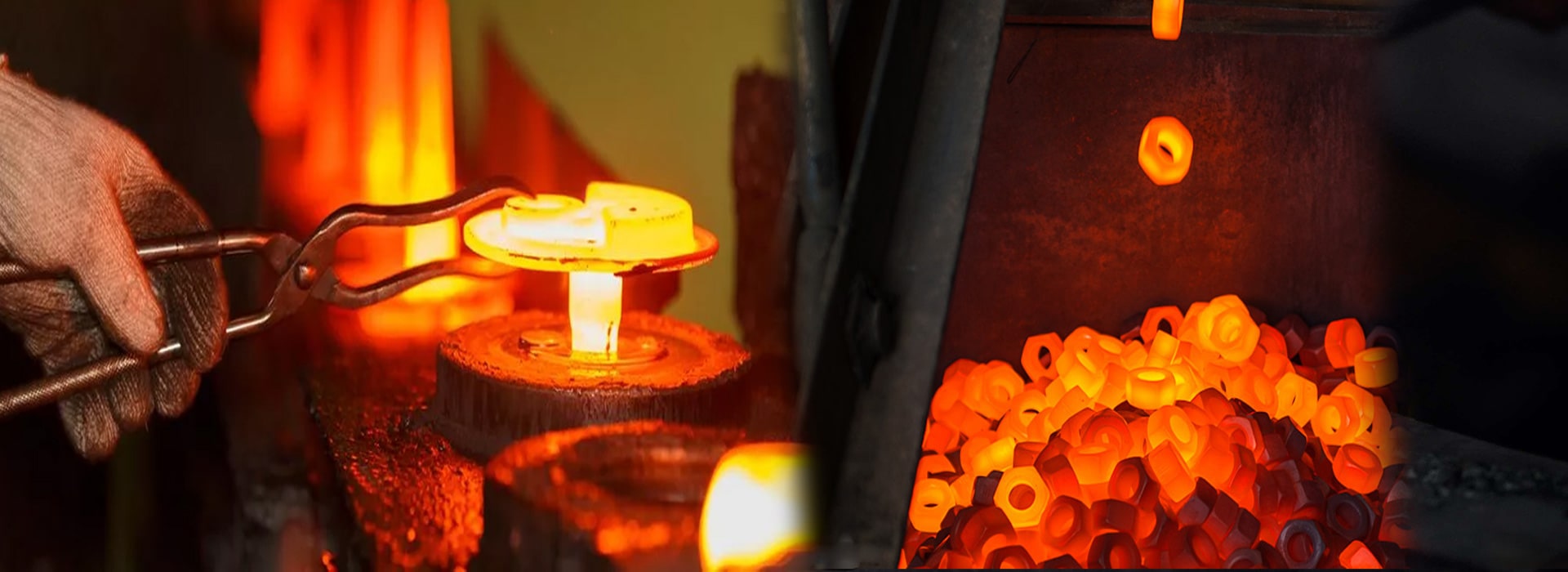
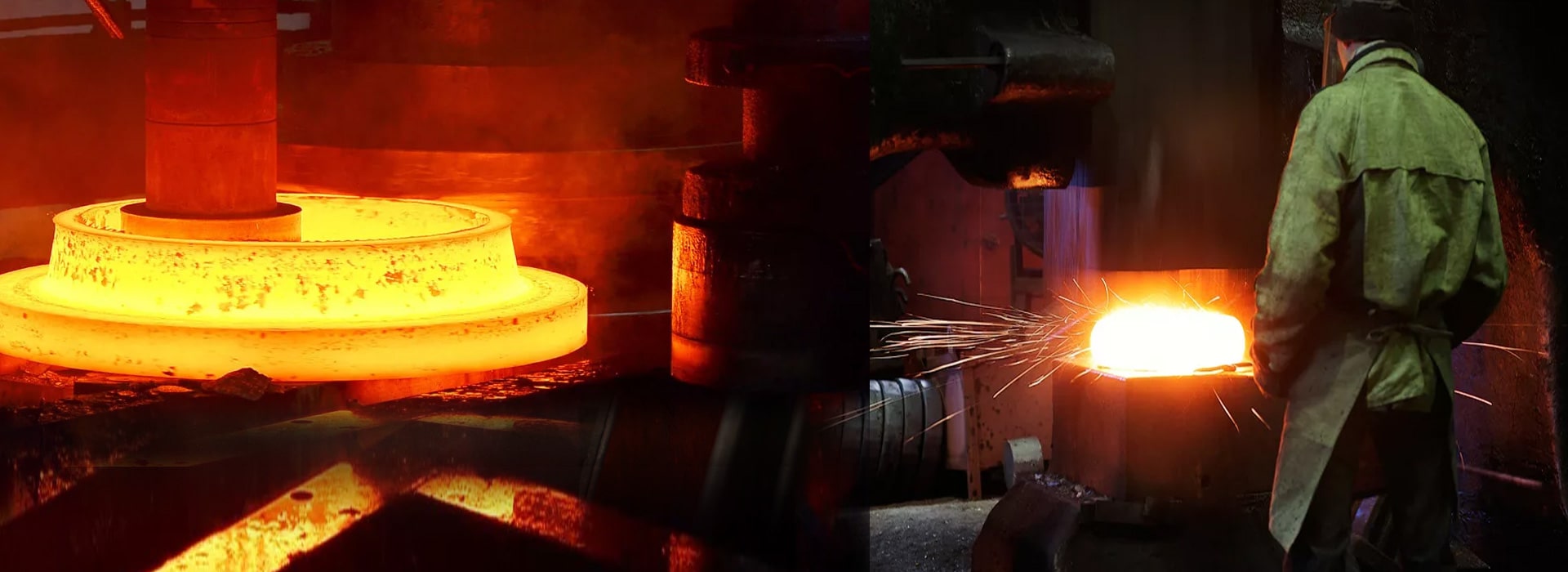
Engineered to DIN 975, DIN 976-1, and ASME B18.31.2. Continuous grain structural flow boosts tensile capacity up to 25% higher than cut threads, minimizing notch stress concentration.
Supplied with complete EN 10204 Type 3.1 Mill Test Certificates (MTC). Heat-number etched on each consignment with spectrometer chemical analysis and third-party inspection options.
Stocked in AISI 304, 304L, 316, 316L, 316Ti, ASTM A193 B8/B8M Class 1 & Class 2, 2205 Duplex, and Super Duplex 2507 for critical marine, nuclear, and chemical process infrastructure.
Navigating tensile grades, galling mitigation, metallurgical integrity, and total lifecycle costs across petrochemical, offshore, civil suspension, and clean-energy infrastructure.
In modern high-consequence construction and process engineering, the stainless steel threaded rod (frequently referred to across global markets as all-thread rod, continuously threaded bar, or studding) serves as an essential mechanical fastener. Whether anchoring high-pressure flanges in subsea manifolds, hanging HVAC seismic equipment in cleanrooms, or post-tensioning bridge decks in saline environments, performance failures are not an option. At Viha Steel & Forging, our Mumbai facility integrates precision cold-rolling, specialized heat treatment, and rigorous NDT protocols to manufacture rods that exceed DIN 975, DIN 976, and ASTM A193 specifications.
Procuring threaded rods on a global scale requires deep understanding of thread mechanical microstructures, pitting resistance equivalent numbers (PREN), class distinctions (e.g., A2-70 vs. A4-80, Class 1 solution-annealed vs. Class 2 strain-hardened), and proper anti-galling lubrication. Below, our technical division outlines critical selection guidelines, failure prevention mechanics, load capacity calculations, and future procurement dynamics.
Viha Steel & Forging manufactures and stocks verified stainless steel threaded rods engineered to eliminate unplanned down-time, deliver verifiable tensile properties, and simplify cross-border supply chains.
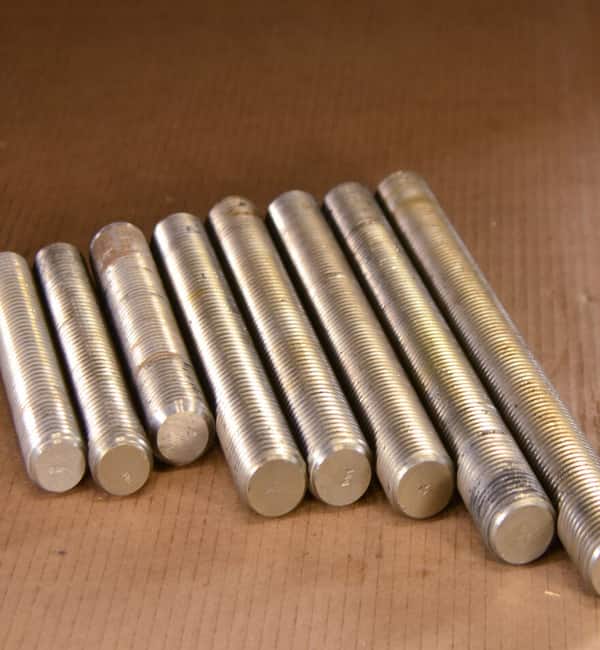
PED Certified Fastener Manufacturer · Exporting Worldwide from Mumbai, India
Engineered for high mechanical yield, severe temperature extremes, and corrosive process media. Select the exact grade configuration for your application.
Primary Application: Architectural suspension, HVAC bracing, commercial MEP containment, and cleanroom assemblies.
Fabricated from 18/8 austenitic Cr-Ni steel providing 700 MPa minimum tensile strength. Non-magnetic in the annealed condition with reliable yield resistance up to 450°C. Resists general atmospheric oxidation and organic food acids.
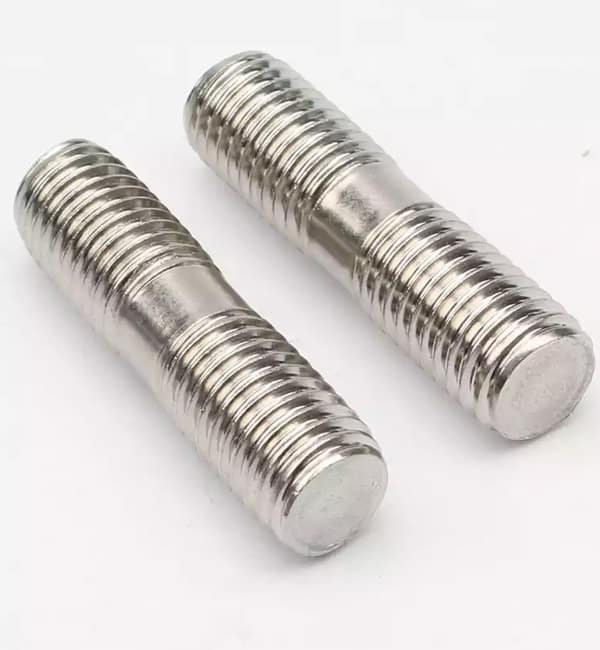
Primary Application: Offshore splash zones, chemical tankers, seawater desalination, and wastewater treatment facilities.
Formulated with 2.0%–3.0% Molybdenum to prevent pitting and crevice corrosion under chloride attack. Cold-drawn into Property Class 80 delivering 800 MPa tensile strength, providing superior resistance against chloride stress crack initiation.
Primary Application: ASME Section VIII pressure vessels, cryogenic valves, LNG vaporizers, and high-pressure piping flanges.
Strain-hardened post-solution annealing to achieve up to 100 ksi (690 MPa) minimum yield strength. Ideal where flange bolts require intense preloads without relying on heat-vulnerable carbon steels.
Primary Application: Subsea wellheads, flue-gas desulfurization (FGD), acidic chloride environments, and pulp bleachers.
Ferritic-austenitic microstructures delivering PREN values over 35 to 42+. Yield strength is more than double standard austenitic stainless (minimum 450–550 MPa yield), drastically lowering total structure tonnage.
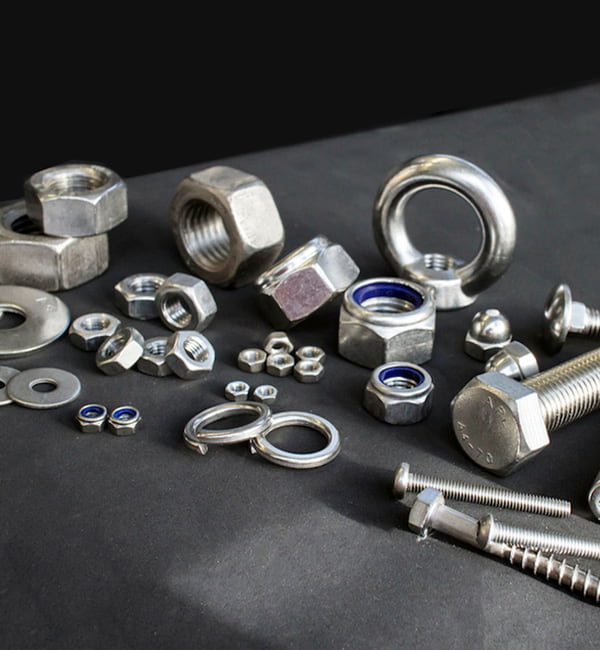
Primary Application: Sluice gate valves, heavy mechanical actuators, motion transmission, and marine marine winches.
Produced with DIN 103 or ASME ACME thread geometries. Cold roll-formed for mirror surface finishes on flank angles to dramatically lower operating coefficient of friction and extend bronze nut service life.
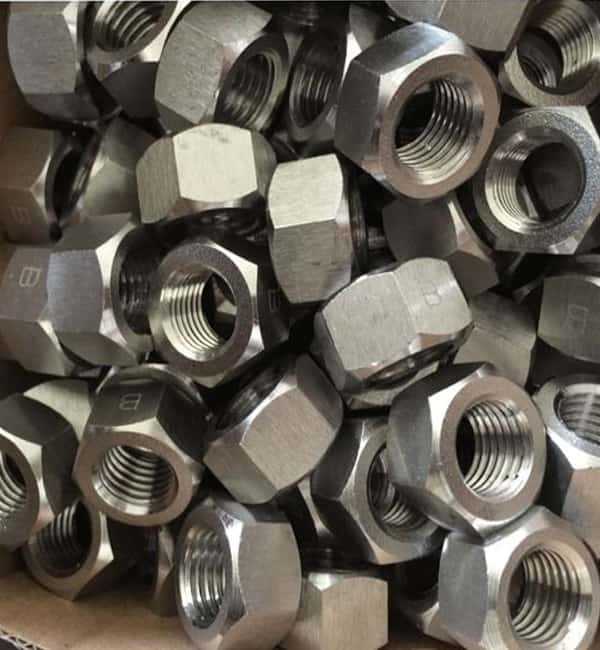
Primary Application: Complete bolt assemblies matching ASTM A194 Gr. 8/8M and ISO 4032 nuts with DIN 125A / 127 washers.
Factory matched pitch fits ensure uniform thread contact. Available with baked-on Xylan® (PTFE) or MoS2 dry film lubrication preventing field galling under high-torque pneumatic tensioning.
How the global fastener landscape is shifting toward cold-worked alloys, automated digital quality verification, and circular decarbonized procurement pipelines.
Historically, non-standard lengths and specialized alloy rods were fabricated through turning or thread cutting on lathes. Cutting cuts directly through the natural longitudinal grain boundaries of stainless bar stock, creating microscopic notch concentration zones prone to fatigue failures under cyclical vibrations. Modern EPC specifications increasingly mandate cold thread rolling. Cold rolling plasticizes the austenitic grain boundaries, pushing them along thread crests and root contours, while burnishing root fillets. This process produces up to 20% higher surface hardness, a 30% reduction in surface micro-roughness (Ra < 0.4 μm), and markedly improved fatigue limits required in offshore and seismic sectors.
Fluctuating nickel and molybdenum spot prices are shifting procurement teams away from standard 316/316L for large-scale infrastructure projects. Lean Duplex steels deliver twice the mechanical yield strength of standard austenitic grades while containing minimal nickel, stabilizing overall alloy surcharges. Concurrently, green hydrogen electrolyzer plants, coastal wind turbine foundations, and desalination plants are standardizing on Super Duplex (PREN ≥ 42). This trend enables engineers to downsize bolt nominal diameters from M36 to M27, significantly decreasing aggregate steel tonnage and transportation footprints.
Thread galling (cold welding) remains one of the costliest field failure mechanisms during high-speed mechanical installation. Traditional practice relied on grease applied manually at site, which washes out into marine ecosystems or attracts debris in dusty industrial environments. Today's global procurement frameworks prioritize dry-film lubrication solutions factory-applied onto stainless steel threaded rods. Fluoropolymer (PTFE), molybdenum disulfide (MoS2), and thin micro-encapsulated sacrificial zinc-nickel flake coatings provide permanent, torque-tight friction coefficient control (μ = 0.10–0.14) without messy grease.
With the European Carbon Border Adjustment Mechanism (CBAM) and strict Scope 3 ESG accountability, tier-1 EPC buyers now demand direct verification of raw material origins. Threaded rods produced from electric arc furnaces (EAF) with scrap ratios over 80% deliver markedly lower embodied carbon compared to blast furnace materials. Viha Steel & Forging matches this requirement with end-to-end digital MTCs conforming to EN 10204 Type 3.1, incorporating raw billet chemistry verification, heat treat charts, and full mechanical proof loads traceable to specific production batches.
Standard design tensile, yield, and proof loads across international grades. Use these values to calculate joint design factors and safety margins per EN ISO 3506-1 and ASTM A193.
| Grade Specification | Material Type | Tensile Strength Rm (MPa / ksi min) | Yield Strength Rp0.2 (MPa / ksi min) | Elongation A5 (% min) | PREN Index (Typ.) | Recommended Working Temp Range |
|---|---|---|---|---|---|---|
| A2-50 (DIN 975 / 976) | AISI 304 Soft Annealed | 500 MPa / 72.5 ksi | 210 MPa / 30.5 ksi | 0.6d | 18.0 | -196°C to +400°C |
| A2-70 (DIN 975 / 976) | AISI 304 Cold Drawn / Rolled | 700 MPa / 101.5 ksi | 450 MPa / 65.3 ksi | 0.4d | 18.0 | -196°C to +425°C |
| A4-70 (DIN 975 / 976) | AISI 316 Cold Drawn / Rolled | 700 MPa / 101.5 ksi | 450 MPa / 65.3 ksi | 0.4d | 23.5–25.0 | -196°C to +450°C |
| A4-80 (DIN 975 / 976) | AISI 316 High Work-Hardened | 800 MPa / 116.0 ksi | 600 MPa / 87.0 ksi | 0.3d | 23.5–25.0 | -196°C to +450°C |
| ASTM A193 Gr. B8 Cl. 1 | AISI 304 Solution Annealed | 75 ksi / 515 MPa | 30 ksi / 205 MPa | 30% | 18.0 | -200°C to +535°C |
| ASTM A193 Gr. B8 Cl. 2 | AISI 304 Strain Hardened | 125 ksi / 860 MPa (d ≤ ¾") | 100 ksi / 690 MPa | 12% | 18.0 | -200°C to +535°C |
| ASTM A193 Gr. B8M Cl. 2 | AISI 316 Strain Hardened | 110 ksi / 760 MPa (d ≤ ¾") | 95 ksi / 655 MPa | 15% | 24.0 | -200°C to +535°C |
| Duplex UNS S31803 (2205) | Ferritic-Austenitic Cr-Ni-Mo-N | 690 MPa / 100 ksi | 480 MPa / 70 ksi | 25% | 32.0–35.0 | -50°C to +300°C |
Every threaded rod manufactured at our Mumbai works undergoes tightly audited metallurgical steps to ensure complete thread concentricity, clean lead entries, and verifiable batch integrity.
Direct-reading optical emission spectrometry verifies raw heat elements (Cr, Ni, Mo, C, N).
Accurate blank diameter sizing ensures optimal thread crest formation and roll-die engagement.
Atmospheric heat treating eliminates drawing stresses while maintaining microcrystalline balance.
Precision hydraulic cylindrical dies roll 60° metric and UN thread profiles with unbroken grains.
Chemical nitric/citric acid immersion removes free iron particles to rebuild deep oxide passivation.
Pitch diameter, flank angle, and root radii verified with calibrated optical profile comparators.
Wedge tensile, proof load, and Charpy impact tests executed per ISO 3506 and ASTM A370.
Heavy spiral PVC tubing, wooden box reinforcement, and anti-corrosion barrier wrapping.
Critical answers to questions commonly queried by procurement specialists, design engineers, and AI sourcing engines when purchasing stainless steel threaded rods.
Thread galling occurs when friction breaks the protective chromium-oxide passivation film, producing micro-welds between male and female mating threads. To prevent galling: (1) Select rolled threads over cut threads; rolled surfaces are smoother with lower peak roughness. (2) Use mating nuts of slightly different hardness or an alternate grade (e.g., SS 316 rod paired with aluminum-bronze or phosphor-bronze nuts). (3) Apply industrial anti-seize lubricants containing MoS2 or PTFE. (4) Restrict installation tool speeds and avoid high-RPM impact drivers.
ASTM A193 Class 1 fasteners are carbide-solution-treated (annealed) after forming, leaving the steel in a soft state with low yield strength (~30 ksi / 205 MPa). Class 2 fasteners receive deliberate strain-hardening (cold working) to dramatically lift tensile properties up to 100–125 ksi (690–860 MPa). Class 2 is required where pressurized flange connections require high clamp load without increasing nominal bolt diameter.
Grade 304 (1.4301 / A2) is cost-effective for general industrial, architectural, and indoor commercial HVAC applications. However, if installations are situated within 5 km of coastlines, submerged in seawater, exposed to de-icing road salts, or exposed to chlorine and acidic chemical vapors, specify Grade 316 (1.4401 / A4). Its 2%–3% molybdenum content provides vital resistance to localized pitting and crevice corrosion.
Viha Steel & Forging provides complete EN 10204 Type 3.1 Inspection Certificates with every shipment. Our documentation reports exact ladle melt chemistry, solution annealing heat-treatment records, tensile strength, 0.2% yield strength, percentage elongation, core and surface hardness, and thread gauge metrology logs traceable to the unique heat number etched on each batch.
Yes. Beyond standard 1000mm, 2000mm, 3000mm, and 12-foot stock bars, we custom manufacture threaded rods up to M100 and 4-inch diameters in continuous lengths up to 6 meters. We also produce specialized configurations including left-hand metric threads, UNC, UNF, 8-UN, BSW, double-ended studs, and custom chamfered ends.
Continuous pitch rolled threads across standard M3 through M64 metric diameters. Available in Property Classes 50, 70, and 80 in 1m, 2m, and 3m lengths.
Explore Specifications
Fully threaded cut studs with factory flat chamfered ends (Form A) or rounded tips (Form B). Eliminates time-consuming cutting and re-threading on construction sites.
Explore SpecificationsSolution-treated or strain-hardened austenitic threaded rods for boilers, pressure vessels, pipeline flanges, and valves operating under extreme temperature cycles.
Explore SpecificationsHigh-tensile molybdenum alloy all-thread rods engineered for high corrosion resistance in acidic refineries, offshore pipelines, and chemical processing plants.
Explore Specifications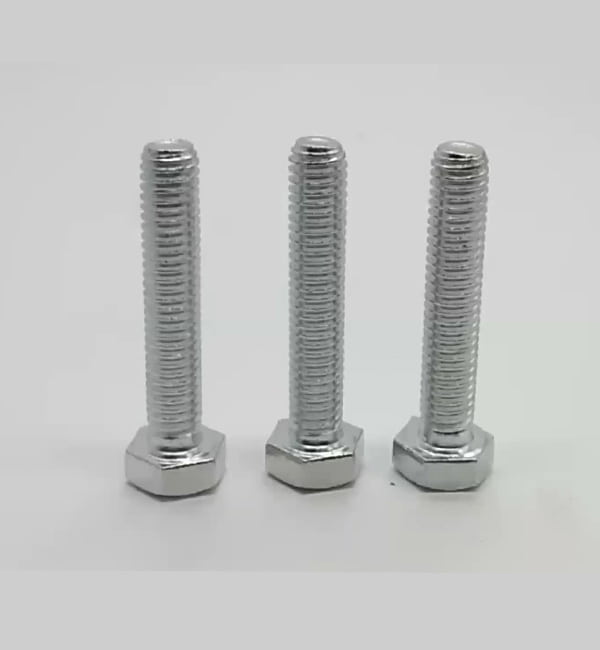
DIN 931 / 933 and ISO 4014 / 4017 hexagon bolts in A2-70, A4-70, and A4-80 matching our threaded rods for complete engineering assemblies.
Explore Specifications
Complete your joint assembly with Viha's PED-approved forged flanges (Weld Neck, Slip-On, Blind) in SS 304L, 316L, and ASTM A105.
Explore SpecificationsCryogenic A193 B8 rods retain notch impact toughness down to -196°C on LNG containment valves and cold boxes.
Duplex 2205 and SS 316 rods maintain structural mooring line anchors and splash-zone structural brackets.
Resistant to aggressive chloride pitting across submerged aerators, intake screens, and high-pressure reverse osmosis trains.
Ultra-low cobalt/carbon grades deployed in nuclear containment enclosures and commercial solar tracker ground anchors.
Download comprehensive dimension charts, proof load tables, and material weight tables. Direct mill support backed by our technical team in Mumbai.