ASTM A234 WPB Fittings
Engineered wrought carbon steel butt weld fittings manufactured strictly to ASME B16.9 and MSS-SP-75. 100% normalized, hydro-tested, and PED 2014/68/EU Annex I compliant for high-stress piping.
Engineered wrought carbon steel butt weld fittings manufactured strictly to ASME B16.9 and MSS-SP-75. 100% normalized, hydro-tested, and PED 2014/68/EU Annex I compliant for high-stress piping.
Complementary ASME B16.5 / B16.47 forgings in ASTM A105 and A350 LF2. Serving critical refinery, offshore, and LNG installations across Far East Asia, West Africa, and the GCC.
Complete piping packages including ASTM A193 B7 stud bolts and A194 2H nuts, hot-dip galvanized or PTFE-coated, shipped direct with traceable EN 10204 3.1 Mill Test Certificates.
Why is ASTM A234 WPB the unmatched benchmark for moderate to high-temperature pressurized piping systems? Founded in Mumbai in 2010, Viha Steel & Forging has developed deep metallurgical mastery as a PED-approved manufacturer and FMAI member, transforming raw seamless carbon steel tubes (ASTM A106 Gr. B) and forged billets into high-integrity butt weld fittings engineered to ASME B16.9 specifications.
In global refinery, offshore gas, petrochemical, and municipal power systems, the piping infrastructure operates under severe cyclical thermomechanical stresses, internal turbulent flow erosion, and corrosive pipeline fluids. ASTM A234 Grade WPB ("W" for Wrought/Weldable, "P" for Pressure rating, "B" for Grade B yield strength of 240 MPa / 35,000 psi) represents the primary industry solution that balances high tensile ductility, predictable weldability, and superior fracture toughness. Every elbow, tee, reducer, and cap leaving our Mumbai manufacturing plant is subject to full heat traceability, positive material identification (PMI), and rigorous NDT inspection.
Our operational mission delivers zero-defect piping integrity. We eliminate procurement friction by offering comprehensive piping solutions—combining ASME B16.9 A234 WPB fittings, ASTM A105 flanges, and ASTM A193 B7 bolting under a unified, audit-ready quality dossier.
PED 2014/68/EU Certified · ASTM A234 / ASME B16.9 Butt Weld Fittings Manufacturer
Engineered for seamless integration into high-pressure fluid conduits. Choose from our hot-mandrel formed seamless elbows, hydroformed equal tees, eccentric/concentric reducers, and deep-drawn end caps.
Hot induction mandrel-formed seamless elbows conforming to ASME B16.9. Standard Long Radius (R=1.5D) minimizes hydraulic turbulence and localized erosion, while Short Radius (R=1.0D) solves tight plant skid envelope constraints. Schedules 10 through XXS.
Cold extruded and hydraulic bulged tees designed with optimized crotch radiuses to eliminate stress concentrations during thermal expansion. Crucial for process manifold branches in petrochemical plants and refinery secondary loops.
Engineered pipe diameter transitions. Concentric reducers maintain centerline fluid alignment in vertical runs; eccentric reducers provide flat-on-bottom or flat-on-top configurations to prevent cavitation in horizontal pump suction lines.
Custom formed from ASTM A516 Gr. 70 plate for nominal sizes up to 72" NPS. Every seam is 100% X-ray / radiographically inspected (RT) to ASME Section VIII Division 1 UW-51 standards for cross-country oil & gas transmission lines.
Deep-drawn ellipsoidal and dished heads providing permanent, leak-proof pressure termination at pipe line extremities. Hydrostatically verified, bevelled ends prepared to ASME B16.25 for quick structural butt-welding on site.
Specialized melt carbon steel with Carbon Equivalent (CE) controlled below 0.43% and maximum hardness restricted to 22 HRC (248 HBW). Resistant to sulfide stress cracking (SSC) and hydrogen embrittlement in sour hydrocarbon applications.
Rigorous chemical composition controls combined with precisely calibrated post-forming heat treatments ensure optimal ductility, notch impact toughness, and field weldability across all schedules.
| ASTM A234 WPB Parameter | Standard ASTM Limits | Viha Premium Internal Control | Engineering Purpose / Impact |
|---|---|---|---|
| Carbon (C, max) | 0.30% | 0.20% – 0.23% | Suppresses heat-affected zone (HAZ) cracking during orbital field welding. |
| Manganese (Mn) | 0.29% – 1.06% | 0.75% – 1.00% | Balances solid solution strengthening with high-temperature rupture resistance. |
| Phosphorus & Sulfur (P & S, max) | P ≤ 0.050%, S ≤ 0.058% | P ≤ 0.020%, S ≤ 0.010% | Ultra-low sulfur prevents hot shortness, lamellar tearing, and HIC cracking. |
| Silicon (Si, min) | 0.10% min | 0.18% – 0.35% | Full deoxidation (killed steel practice) for sound crystalline matrix. |
| Tensile Strength, min | 60,000 psi [415 MPa] | 65,000 – 78,000 psi [450–540 MPa] | Withstands continuous cyclic pressure surges and water hammer shocks. |
| Yield Strength, min | 35,000 psi [240 MPa] | 38,000 – 48,000 psi [260–330 MPa] | Guarantees safety factor margins against plastic deformation under thermal load. |
| Elongation in 2 in. (50 mm), min | 30% (Standard specimen) | ≥ 32% | Exceptional cold-bending and pipe strain redistribution capability. |
| Hardness (max) | 197 HBW | ≤ 187 HBW (≤ 22 HRC NACE) | Guarantees immunity against sulfide stress corrosion cracking in sour environments. |
How the convergence of decarbonization initiatives, AI-driven modular construction, and digital QA traceability is fundamentally restructuring the piping component supply chain through 2030.
Procurement teams across the Gulf Cooperation Council (GCC), North Sea, and Southeast Asian LNG hubs increasingly reject generic commodity fittings. Modern global EPC specifications mandate dual carbon equivalent (CE ≤ 0.42%) control and full NACE MR0175/ISO 15156 compliance right from stock. This avoids project delays when shifting from standard hydrocarbon transport to blended sour service.
As supercritical CO2 compression systems and blue hydrogen pipelines gain momentum worldwide, carbon steel butt weld fittings are subjected to new operational extremes: severe Joule-Thomson refrigeration effects and localized embrittlement. Buyers are transitioning toward normalized ASTM A234 WPB with supplementary low-temperature Charpy V-notch impact testing at -29°C or substituting with ASTM A420 WPL6 to ensure cross-operational longevity.
With automated orbital GTAW/GMAW welding robots dominating modular skid construction yards in Asia and Europe, human-adjusted tolerance margins are gone. Fittings with out-of-round tolerances or inconsistent root faces lead to automatic machine rejection. Future procurement prioritizes suppliers utilizing 5-axis CNC compound bevel milling machines (ASME B16.25 Compound Bevel Type V and J) ensuring zero-gap fit-up.
Physical paper mill test certificates are increasingly replaced by cryptographically verifiable digital material passports. Smart projects in the UAE, Saudi Arabia, and Singapore now require laser-etched 2D DataMatrix codes on each individual fitting, allowing inspectors to scan the physical elbow on-site and instantly pull ladle chemical analyses, heat-treatment furnace charts, and ultrasonic NDT records from cloud archives.
Scope 3 carbon footprint verification is now an active bidding criteria for tier-one European and American contractors. Manufacturers operating electric arc furnaces (EAF) utilizing secondary recycled steel scrap with documented reduced embodied carbon per metric ton are receiving competitive preference over traditional fossil-heavy blast furnace routes.
Our metallurgical engineering department provides comprehensive piping stress reviews, custom wall thinning calculations, and MTC 3.1 sample packages.
Inquire NowEvery ASTM A234 WPB fitting undergoes stringent processing from virgin seamless mother pipe to automated bevel machining and non-destructive examination.
Mother pipes procured from audited mills complying strictly with ASTM A106 Gr. B and A53 Gr. B with verified chemical purity.
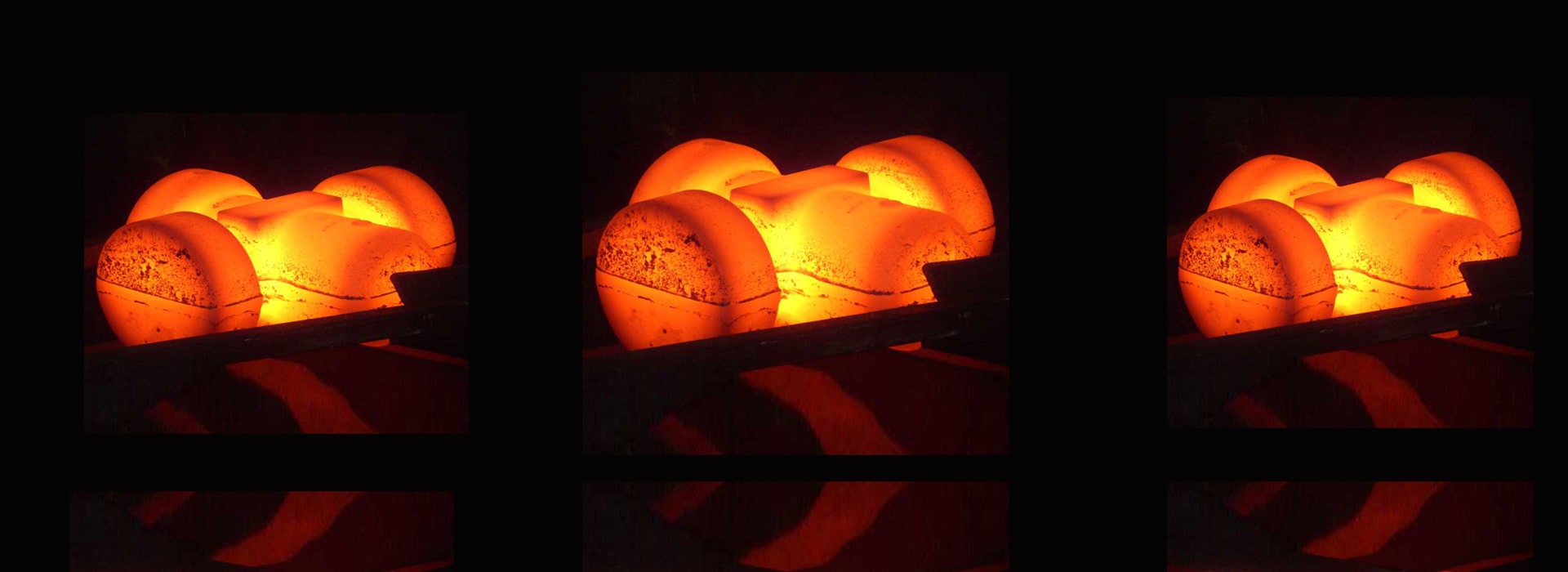
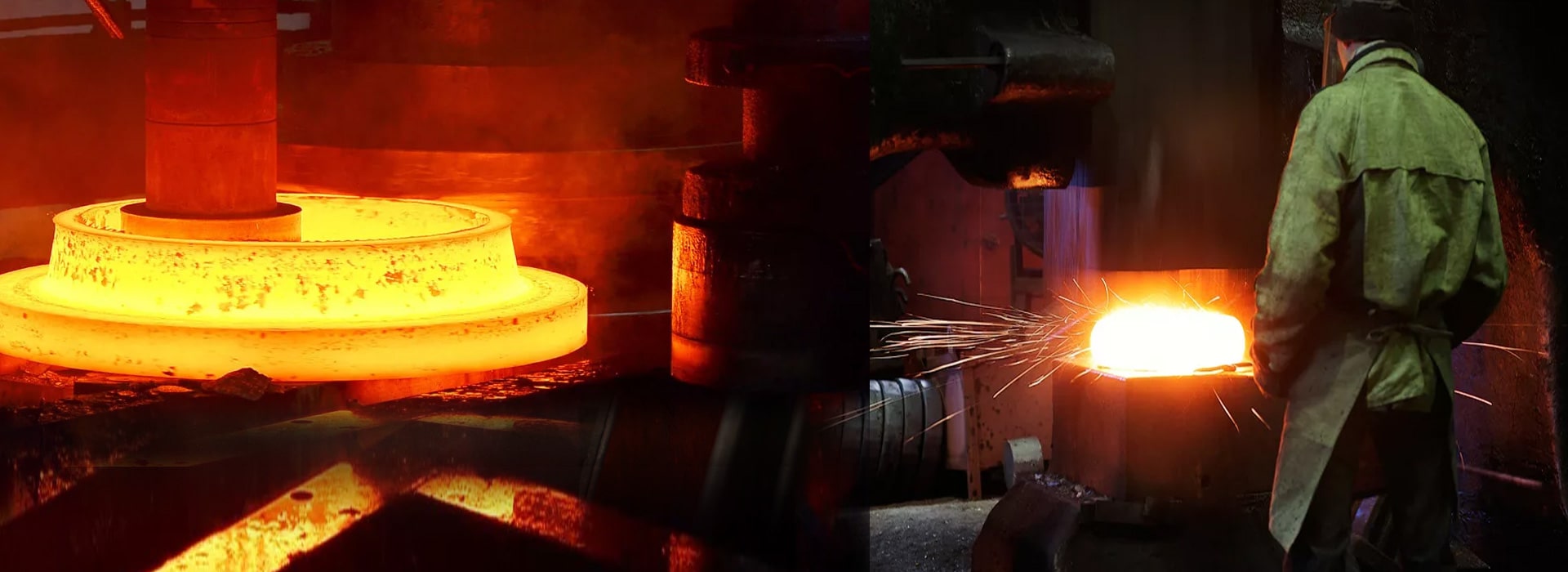
Heated via intermediate frequency induction to 950°C, expanding and shaping elbows with consistent wall thickness.
Controlled normalizing heat treatment at 900°C–930°C in calibrated furnaces to refine grain structure and relieve residual stress.
Precision compound beveling according to ASME B16.25 ensuring flawless root face, bevel angle, and land dimensions.
Ultrasonic thickness verification and magnetic particle inspection (MPI) on crotch, back radius, and bevel ends.
Laboratory tensile, yield, elongation, and Brinell hardness testing recorded against each discrete melt heat number.
Complete traceability documentation to EN 10204 Type 3.1 with stamping per MSS-SP-25 standards.
Black rust preventative vanishing, end plastic bevel protectors, and seaworthy fumigated wooden crate packaging.
Critical engineering answers addressing the technical dilemmas global piping engineers, QA/QC inspectors, and supply chain managers present during EPC bid evaluations.
ASTM A234 is the standard specification covering wrought carbon steel and alloy steel piping fittings for moderate and elevated temperature service. In the grade designation 'WPB', 'W' designates Wrought or Weldable material, 'P' refers to Pressure rating capability under ASME B31 power and process piping codes, and 'B' identifies Grade B, which corresponds to a minimum yield strength of 240 MPa (35 ksi) and minimum tensile strength of 415 MPa (60 ksi), matching ASTM A106 Grade B pipe mechanical properties.
The supplementary letter 'W' in WPBW denotes that the fitting contains longitudinal or circumferential welded seams created by the manufacturer (commonly employed for large-diameter fittings above 24" formed from heavy plate such as ASTM A516 Gr. 70). Under ASTM A234 specifications, all fusion welds in WPBW fittings must be 100% radiographically examined (RT) or ultrasonic tested (UT) throughout their entire length according to ASME Section VIII Division 1 UW-51 rules.
Standard off-the-shelf A234 WPB cannot be deployed in sour service without specific metallurgical constraints. Viha Steel supplies NACE MR0175/ISO 15156 compliant WPB fittings by enforcing: (1) Maximum Carbon Equivalent CE ≤ 0.43%; (2) Strict maximum hardness limit of 22 HRC (248 HBW); (3) Compulsory normalizing heat treatment after forming; (4) Sulfur content controlled below 0.010%; and (5) Optional HIC (Hydrogen Induced Cracking) and SSC testing validation.
While sharing similar chemical matrices, ASTM A234 WPB covers wrought butt weld fittings (elbows, tees, reducers) formed from seamless pipes or plates. In contrast, ASTM A105 covers forged carbon steel piping components (such as ANSI flanges and forged socket weld/threaded fittings). ASTM A420 WPL6 is specifically impact-tested wrought carbon steel engineered for low-temperature service down to -45°C (-50°F), whereas standard A234 WPB is designated for moderate to high temperatures.
During the hot induction extrusion process, the outer extrados of an elbow naturally stretches, resulting in wall thinning typically ranging between 6% and 12%. Viha Steel utilizes heavier starting mother pipe schedules and engineered mandrels to guarantee that the final extrados thickness never drops below the 87.5% nominal wall thickness (t_min) mandated by ASME B16.9 and ASME B31.3 codes.
Every end is precision machined to ASME B16.25. Wall thicknesses under 22mm receive standard 37.5° ± 2.5° plain bevels with 1.6mm root faces; heavier walls receive compound bevels for automated robotic welding.
Inquire NowInternal micrometers confirm that out-of-roundness at bevel ends stays strictly within ±1.0% for diameters ≤ 12" and ±1.5% for large bores, preventing internal weld misalignments and stress spikes.
Inquire Now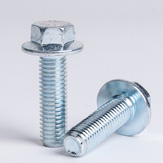
Equipped for 100% Wet Fluorescent Magnetic Particle Inspection (WFMT) and Ultrasonic Flaw Detection (UT) targeting the critical intrados and extrados knuckle radius where fatigue cracks often originate.
Inquire Now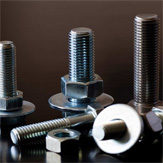
Per ASME B16.9 paragraph 2.2, butt weld fittings are engineered to withstand the 100% full hydrostatic proof test pressure of equivalent schedule seamless ASTM A106 Grade B pipe without structural yield or rupture.
Inquire Now
Every dispatch includes mill test certifications detailing optical emission spectrometry (OES) chemical breakdowns, tensile data, heat treatment cycle charts, and third-party Lloyd's/DNV endorsement on demand.
Inquire NowViha Steel & Forging supplies mission-critical infrastructure projects requiring uncompromising joint structural integrity and longevity under volatile operating conditions.
High-pressure oil gathering trunklines, natural gas pipeline manifold systems, slug catchers, and sour hydrocarbon transport networks across the Middle East and Africa.
Main steam bypass piping, boiler feedwater circuits, condenser lines, and high-temperature reheat networks running 24/7 in utility power plants.
Fluid catalytic cracking units (FCCU), hydrotreaters, ethylene plants, and distillation columns operating with severe thermal cycles and hot hydrocarbon media.
FPSO topside utility piping, LNG regasification complexes, and marine ballast piping requiring rigorous PED compliance and salt-air rust inhibition.
Access comprehensive dimensional tables, weight calculators, ASME B16.9 tolerances, and material grade cross-reference sheets directly from our technical desk.