[email protected] +91-22-66343169 PED Approved · FMAI Member · Since 2010
0%

ASTM A307 Carbon Steel Bolts serve everyday fastening needs where dependable strength matters more than high-strength alloy performance. The 2026 guide begins with the standard’s scope: carbon steel bolts, studs, and threaded rods with a specified tensile strength of 60,000 psi. Simple specification. Still, choosing a bolt involves more than reading a grade stamped on its head.

John H. Bickford, an engineer and author known for his work on bolted joints, offers a useful perspective. The following is an editorial paraphrase, not a verbatim quotation: “A bolted joint works reliably only when the fastener, installation, and connected parts are considered together.” That reminder matters on real jobsites. A bolt passing through a painted steel plate may behave differently from one installed in a flange assembly. The coating, washer, nut, and tightening method all deserve attention.

This overview examines common A307 options, including Grade A bolts for general applications and Grade B bolts commonly specified for cast-iron flange connections. Hex-head and heavy-hex configurations may appear in product listings, but the head style alone does not establish compliance. Check the specification, dimensions, thread requirements, markings, and material test documentation. Ask for traceable records when the application demands them. One caveat: product names and catalog descriptions can blur important distinctions. Verify the purchase order against the governing project documents before installation. That small check can prevent a costly mismatch.
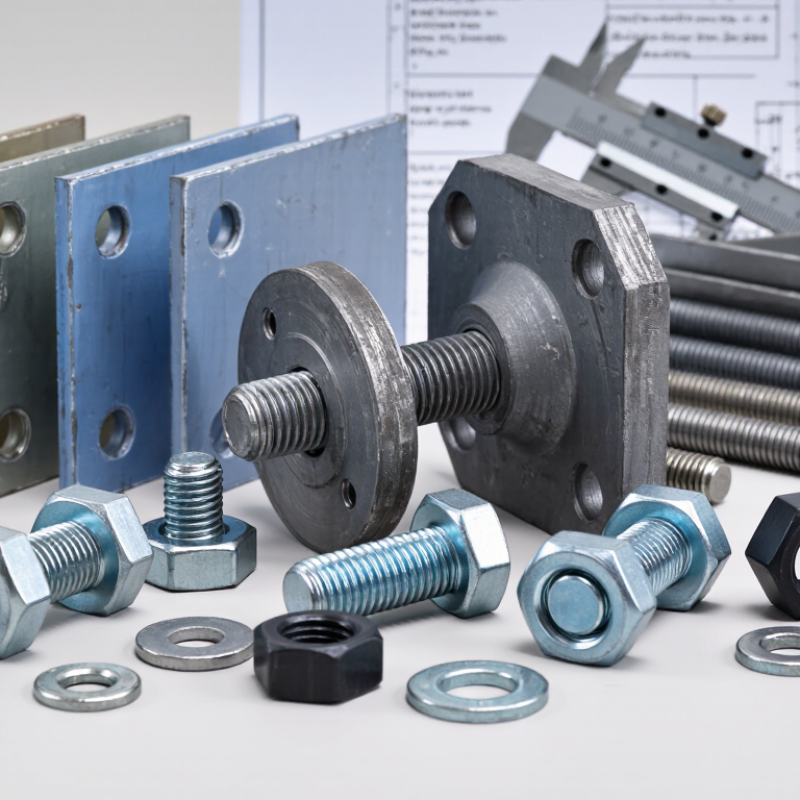
2026 Top Types of ASTM A307 Carbon Steel Bolts

What ASTM A307 Carbon Steel Bolts Are

ASTM A307 carbon steel bolts are externally threaded fasteners made from carbon steel. The specification covers bolts and studs for general fastening, not high-strength structural applications. Grade A is commonly used for general-purpose joints. Grade B has a specified tensile-strength range and is intended for certain flange connections involving cast-iron flanges. Check the current specification and purchase documents: grade and dimensions determine whether a fastener suits the job. Simple, but important.

These bolts can have hex heads or be supplied as studs, depending on the order and applicable requirements. They may secure brackets, equipment bases, and piping components when the design allows A307 fasteners. Carbon steel can corrode in moisture, salt, or chemical exposure. A coating may help, but it can affect thread fit and must suit the assembly. Do not identify a bolt by appearance alone. Markings can be faint, and mixed hardware is possible. That deserves a second look.

Tips: Verify the grade, diameter, length, and coating before installation. For critical or uncertain loads, consult the design documents or a qualified engineer.

How ASTM A307 Grades Differ

ASTM A307 grades differ mainly by intended application and tensile-strength limits. ASTM International’s A307-21 specification sets a minimum tensile strength of 60 ksi for Grade A bolts, studs, and threaded rod. Grade A is the common choice for general-purpose fastening in buildings and equipment. Its appeal is straightforward. Yet “general purpose” does not mean suitable for every loaded joint.

Grade B is intended for bolting cast-iron flanges and has a tensile-strength range of 60–100 ksi, according to ASTM A307-21. That upper limit matters when matching bolts to a flange assembly: the goal is not simply to choose the strongest fastener. A rigid bolt can increase stress on brittle cast iron. Check the joint design, bolt diameter, and specified tightening method before selecting a grade.

On a workbench, the distinction may look small: two carbon-steel bolts can share a similar finish and thread. Their specified limits still differ. ASTM’s mechanical requirements provide the comparison; the project drawing should determine the required grade. I would not identify a grade by appearance alone. Markings can be faint, and field notes are sometimes incomplete. Verify the material records when the application is critical.

Common A307 Bolt Types by Head Design

Common A307 bolt types are easiest to distinguish by their heads: standard hex, heavy hex, and square. A standard hex head fits familiar wrench sizes and works well where access is limited. Heavy hex heads have wider bearing faces, which can help spread load against a flange. Square heads offer broad, flat sides, but may be awkward in tight assemblies.

Small detail. The head shape does not determine the bolt’s strength grade.

ASTM A307-21 specifies a minimum tensile strength of 60 ksi for Grade A bolts. Grade B is specified at 60–100 ksi and is intended for cast-iron flange applications. These figures describe the material grade, not the head. ASME B18.2.1 provides dimensional requirements for inch-series hex and square bolts, including heavy hex patterns.

Check the drawing and washer fit before ordering; a heavy head can crowd nearby fittings.

One detail is easy to miss: a head that looks sturdier does not automatically mean a higher-strength bolt. I would verify the grade marking and application, rather than judge by appearance alone.

Materials, Finishes, and Corrosion Protection

ASTM A307 carbon steel bolts are typically made from low-carbon steel. The material offers practical strength for general fastening, but it does not resist rust on its own. A plain, lightly oiled bolt may suit a dry indoor assembly. In a damp workshop, exposed threads can show orange rust sooner than expected. Small detail, real consequence.

Finish selection should reflect the actual exposure. Electroplated zinc provides a thin protective layer for mild conditions and keeps the bolt’s appearance relatively smooth. Hot-dip galvanizing creates a thicker zinc coating for outdoor use, such as exposed structural connections. Its added thickness can affect thread fit, so pair bolts with compatible nuts and check assembly requirements before installation. Paint may also protect selected assemblies, but coverage around bearing surfaces and threads needs attention.

Corrosion protection is not a substitute for choosing the correct fastener or inspecting it over time. Salt spray, standing water, and contact between dissimilar metals can accelerate damage. For coastal or chemically exposed locations, consult project specifications and a qualified fastener supplier; ordinary A307 bolts may not be appropriate for every environment. There is no perfect finish. Even a sound coating can be scratched during handling, leaving a small spot that deserves inspection.

How to Select and Verify A307 Bolts

2026 Top Types of ASTM A307 Carbon Steel Bolts

How to Select and Verify A307 Bolts

ASTM A307 carbon steel bolts are commonly used for general-purpose fastening. Selecting the right type starts with the connection, not just the bolt diameter. Grade A is used for many ordinary applications, while Grade B is intended for specified flange connections. Check the project documents before ordering; a familiar-looking bolt is not automatically suitable. A307 bolts should not be treated as a substitute for higher-strength fasteners when the design calls for them.

Tips: Confirm the ASTM designation, grade, diameter, length, thread, and required coating against the specification. Compare the shipment paperwork with the packaging and any markings required by the purchase order. Look closely at the threads and bearing surface for damage, rust, or contamination. Small details matter. Do not guess.

Before installation, verify that nuts and washers are compatible with the specified assembly. Check that the bolt length provides adequate thread engagement without leaving excessive thread in the joint. If certificates are supplied, make sure they identify the applicable standard and grade. A coating can affect fit or assembly, so verify it is permitted for the application. When documents and hardware do not match, pause and resolve the discrepancy with the supplier or project engineer. It may feel slower, but an unchecked assumption can create a much larger problem later.

FAQS

What is the main difference between Grade A and Grade B A307 bolts?

Grade A is for general-purpose fastening and has a minimum tensile strength of 60 ksi. Grade B is intended for specified cast-iron flange connections, with a 60–100 ksi range.

Can Grade B be used whenever a stronger bolt seems better?

Not automatically. A stronger or more rigid bolt can increase stress on brittle cast iron. Check the joint design and specified tightening method.

How should I choose an A307 bolt?

Start with the connection and project documents, not just the bolt diameter. Confirm the required grade, length, thread, and coating.

Can bolt appearance identify its grade?

No. Two carbon-steel bolts can look alike but have different specified limits. Markings may be faint, so verify records when the application is critical.

What should I inspect when a shipment arrives?

Compare its paperwork, packaging, and required markings with the purchase order. Check the threads and bearing surfaces for rust, damage, or contamination.

Why check bolt length and thread engagement?

The bolt needs adequate thread engagement without leaving excessive thread inside the joint. Small details matter.

Do nuts, washers, and coatings need checking too?

Yes. Confirm that nuts and washers suit the specified assembly. Check that the coating is permitted, since it can affect fit.

What should I do if the documents and bolts do not match?

Pause and resolve the difference with the supplier or project engineer. Guessing may feel quicker, but it is not a reliable check. I might overlook a detail, too.

Conclusion

ASTM A307 Carbon Steel Bolts are general-purpose fasteners made from carbon steel for applications that require reliable, moderate-strength connections. The specification includes different grades intended for distinct uses, so selecting a bolt means considering its strength requirements and application—not just its size. Common designs include hex-head bolts for accessible, wrench-tightened connections, carriage bolts with rounded heads, and anchor bolts used to secure components to concrete. Head style affects installation and appearance, while the applicable grade and dimensions determine whether a bolt suits the job.

Material choice, coating, and service conditions also matter. Plain, zinc-coated, or hot-dip galvanized finishes can offer different levels of corrosion protection, but the right option depends on the environment and compatibility with connected materials. Before ordering or installation, verify the grade, diameter, length, thread, head design, and finish against project requirements and product documentation. Careful selection helps ensure the bolt provides an appropriate, dependable connection.

Evelyn

Evelyn

Evelyn is a dedicated marketing professional with extensive knowledge of the company’s products, services, and customer-focused solutions. With a strong understanding of market trends, user needs, and effective communication strategies, Evelyn plays an important role in presenting the company’s......