
[email protected] +91-22-66343169 PED Approved · FMAI Member · Since 2010
0%

ASTM A325 Structural Bolts remain widely recognized in steel construction, despite an important terminology change. ASTM International withdrew ASTM A325 as a standalone specification in 2016. It now appears as ASTM F3125 Grade A325. The mechanical expectations remain familiar: high-strength steel, controlled dimensions, and reliable performance in structural connections. These bolts commonly secure beam-to-column joints, bridge components, and heavy industrial frames.

The demand is substantial. The World Steel Association reports that construction and infrastructure consume approximately half of global steel production. The U.S. Geological Survey recorded nearly 1.9 billion metric tons of crude steel produced worldwide in 2023. That scale creates constant demand for dependable structural fasteners. Yet steel volume alone proves nothing. Installation quality matters.

John H. Bickford, a recognized authority on bolted-joint behavior, wrote, “The bolt is the cheapest part of the joint, but it is the most important.” His observation remains practical on a busy jobsite, where a single misidentified bolt can affect an entire connection. Inspectors must verify the grade, manufacturer markings, coating, washer pairing, and tightening method. Small details matter.

The terminology is not perfectly tidy. Many engineers still say ASTM A325, while current specifications reference ASTM F3125 Grade A325. This article explains the designation, strength characteristics, markings, applications, and installation considerations behind ASTM A325 Structural Bolts. It also examines common misunderstandings. A strong bolt does not automatically create a strong connection. Design, fit-up, inspection, and controlled installation must work together. (Sources: ASTM International, ASTM F3125; World Steel Association, World Steel in Figures; U.S. Geological Survey, Mineral Commodity Summaries.)
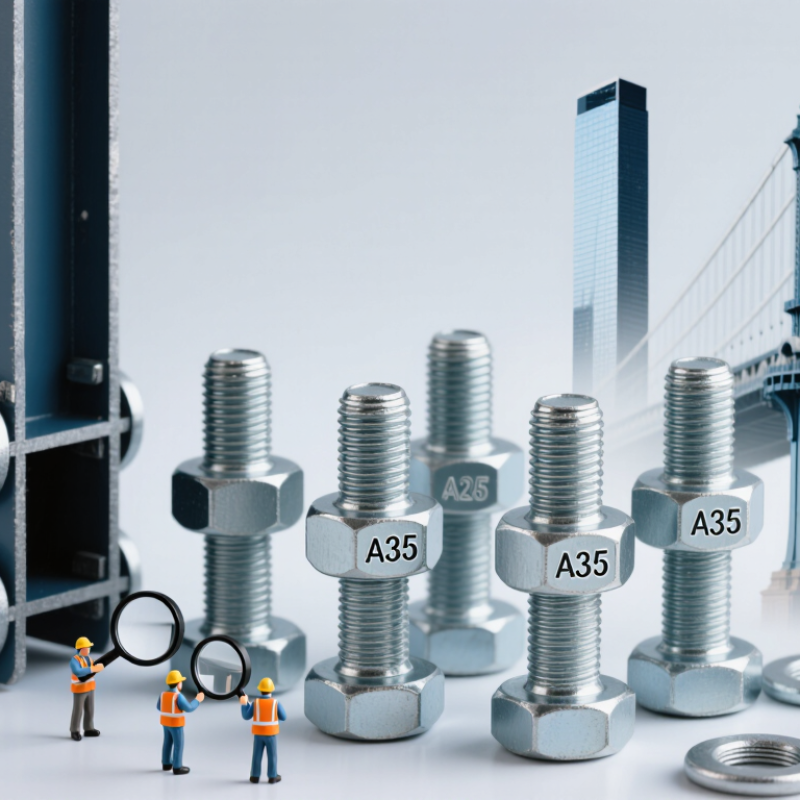
What Are ASTM A325 Structural Bolts?

Definition and Purpose of ASTM A325 Structural Bolts

ASTM A325 structural bolts are high-strength fasteners designed for steel-to-steel connections. The designation is now covered by ASTM F3125/F3125M Grade A325, although engineers still use “A325” on drawings and job sites. These bolts commonly connect beams, columns, and bridge components through hardened steel plates.

Their purpose is controlled force transfer. A typical A325 bolt has a minimum tensile strength of 120 ksi for diameters from 1/2 to 1 inch, according to ASTM F3125/F3125M requirements. Larger diameters use a lower minimum strength of 105 ksi. The RCSC Specification also distinguishes snug-tightened and pretensioned joints. Pretensioned assemblies reduce the risk of joint slip when vibration, reversing loads, or oversized holes are present.

Installation matters more than the label. A crew may tighten a 3/4-inch bolt against painted or uneven faying surfaces, yet the connection may not develop its intended friction. AISC 360 and RCSC guidance require suitable installation procedures, bolt assemblies, and inspection records.

Small details matter. Washer placement, thread condition, and calibrated tools can change the result.

The designation alone does not prove performance. That assumption is risky.

Project specifications should identify the required joint type, hole condition, installation method, and inspection level. Field experience shows that missing records often create more uncertainty than visible corrosion.

And sometimes, the drawing is simply unclear.

Material Grades, Sizes, and Mechanical Properties

What Are ASTM A325 Structural Bolts?

Material Grades, Sizes, and Mechanical Properties

ASTM A325 structural bolts are heavy hex-head fasteners designed for steel connections. The specification historically covered high-strength bolts for structural joints. Current standards commonly identify equivalent requirements under ASTM F3125 Grade A325. This change can confuse purchasers and inspectors. Always check the project specification and edition.

A325 bolts are available in nominal diameters from 1/2 inch through 1-1/2 inches. Type 1 uses medium-carbon steel for general structural work. Type 3 uses weathering steel for improved atmospheric resistance. Type 3 does not eliminate corrosion concerns. Drainage, joint design, and exposure still matter.

Mechanical properties depend on diameter. Bolts from 1/2 through 1 inch typically require at least 120 ksi tensile strength. Larger sizes, from 1-1/8 through 1-1/2 inches, commonly require 105 ksi minimum tensile strength. Yield strength is typically 92 ksi for smaller diameters and 81 ksi for larger ones. These values should be verified against the governing edition.

Fit matters. A structural bolt is not interchangeable with an ordinary machine bolt. Proper hole diameter, washer use, thread condition, and tightening method affect connection performance. On site, a common mistake is checking only the bolt head marking. The lot certification and installation procedure deserve equal attention. Manufacturer markings can vary, so documentation remains essential.

Bolt Head Markings and Identification Features

What Are ASTM A325 Structural Bolts?

Bolt Head Markings and Identification Features

ASTM A325 structural bolts are high-strength fasteners used in steel connections. Their heads carry identification marks that help inspectors verify grade and origin. A typical A325 bolt shows the marking “A325” on the head. It also includes a manufacturer’s identification symbol. Three radial lines may appear around the head, spaced approximately 120 degrees apart.

These markings are not decorative. They provide a quick field reference during installation and inspection. The bolt head should be clean enough to read without scraping away the surface. Compare the markings with the project drawings, delivery documents, and applicable ASTM requirements. Check the bolt diameter, length, thread condition, and washer arrangement as well.

Look closely.

A visual check has limits. Faded stamps, coating, dirt, or damaged edges can hide important details. A bolt that looks correct may still have incorrect dimensions or an unsuitable coating. The packaging, test reports, and lot information should support the identification. Current specifications may reference ASTM F3125, which includes the A325 grade designation. This detail is easy to overlook. For critical connections, qualified personnel should confirm the markings and documentation before installation. My own inspection preference is simple: record clear photographs, note uncertain marks, and pause when the evidence does not agree.

Installation Methods and Preload Requirements

What Are ASTM A325 Structural Bolts?

ASTM A325 structural bolts are high-strength fasteners used in steel connections. Current specifications commonly identify them under ASTM F3125 Grade A325. Their performance depends on the complete assembly, including the bolt, nut, and washer. Installation starts with clean, aligned holes and contact surfaces free from loose scale, oil, or heavy paint. Threads should project beyond the nut after tightening. They should.

The required preload is usually achieved with the turn-of-nut method, a calibrated torque wrench, or a direct-tension indicator. For turn-of-nut installation, the crew first brings the joint to snug-tight condition. The nut then receives a specified additional rotation based on bolt length, joint type, and thread position. A calibrated wrench can provide reliable control, but torque alone does not directly measure tension. Friction changes the result, sometimes dramatically. That detail is easy to underestimate.

Qualified inspectors should verify bolt markings, washer placement, tightening sequence, and final rotation. Preload values must follow the project specification and the applicable structural bolting standard. For example, a 3/4-inch A325 assembly commonly requires about 28,000 pounds of pretension, but the specified assembly controls. Direct-tension indicators can help confirm tension through measured protrusions. Site records should include calibration dates and inspection results. In practice, rushed snug-tightening often causes uneven load transfer. I would review that step twice.

Common Structural Applications and Replacement Standards

What Are ASTM A325 Structural Bolts?

ASTM A325 bolts were heavy-hex structural fasteners designed for steel connections. They offered high strength and controlled mechanical properties. Today, ASTM A325 has been replaced by ASTM F3125/F3125M, Grade A325. The change modernized the specification without removing the familiar A325 designation. Under the standard, common sizes typically require at least 120 ksi tensile strength. Larger diameters may have different strength requirements, so size matters.

Common applications include steel building frames, bridge components, industrial platforms, and moment-resisting connections. These joints often transfer heavy shear and tension through thick plates. The Federal Highway Administration’s 2023 National Bridge Inventory lists more than 624,000 bridges in the United States, with nearly half at least 50 years old. That aging infrastructure increases demand for dependable replacement work, but bolt substitution still requires engineering review. A stronger-looking fastener is not automatically an acceptable replacement. ASTM F3125 Grade A325, A490-type fasteners, and metric equivalents can differ in strength, coating, diameter, and tightening behavior. AISC 360 also requires connection design to address installation and pretension requirements.

Tips: Confirm the grade marking, diameter, length, and coating before ordering. Check the project drawings and the latest specification. Do not mix incompatible nuts or washers. Field conditions can expose a weakness in the original design, so inspect hole quality, plate fit, and corrosion. That step is often skipped. It should not be.

What Are ASTM A325 Structural Bolts?

ASTM A325 structural bolts are heavy-hex, high-strength bolts designed for structural steel connections. Their minimum tensile strength depends on the nominal bolt diameter.

The current replacement specification is ASTM F3125 Grade A325. These bolts are commonly used in steel building frames, bridge construction, industrial structures, towers, and other connections that transfer significant shear and tension loads.

FAQS

What are A325 structural bolts used for?

They connect steel beams, columns, plates, and bridge components. Their main purpose is controlled force transfer.

What sizes are commonly available?

Nominal diameters range from 1/2 inch to 1-1/2 inches. Larger bolts may have different strength requirements.

How strong are these structural bolts?

Bolts from 1/2 to 1 inch typically require 120 ksi minimum tensile strength. Larger sizes commonly require 105 ksi.

What materials are used for these bolts?

Type 1 uses medium-carbon steel for general structural work. Type 3 uses weathering steel, but corrosion protection remains necessary.

Are these bolts suitable for every steel connection?

No. Joint design, hole size, surface condition, and tightening method all matter. A normal machine bolt is not an equivalent substitute.

What do the head markings show?

The head may show the grade marking and a manufacturer identification symbol. Three radial lines can also appear around the head.

Is checking the bolt head enough?

No. Inspectors should compare markings, dimensions, packaging, lot records, and test reports. A clean appearance can still be misleading.

Why does installation procedure matter?

Washer placement, thread condition, calibrated tools, and tightening control affect performance. Painted or uneven surfaces may reduce friction.

When is pretensioning useful?

Pretensioned joints can reduce slip risks from vibration, reversing loads, or oversized holes. The project requirements should define the joint condition.

What should happen when identification records conflict?

Pause installation and request qualified review. Take clear photographs and record uncertain markings. Sometimes the drawing is simply unclear.

Conclusion

ASTM A325 Structural Bolts are high-strength fasteners designed for joining steel components in structural construction. They are manufactured to meet defined requirements for strength, toughness, dimensional accuracy, and reliable performance under heavy loads. Available in different diameters and lengths, these bolts typically use medium-carbon steel and may be supplied with suitable corrosion-resistant finishes. Their mechanical properties, including tensile strength, yield strength, and hardness, make them appropriate for demanding steel-to-steel connections.

Identification features such as the bolt head markings help confirm the required strength grade and manufacturer information. Proper installation is essential: the connected parts must be aligned, the bolt and nut fitted correctly, and the assembly tightened to achieve the specified preload. Depending on the project, tightening may use calibrated torque, turn-of-nut procedures, or direct tension methods. Common applications include bridges, building frames, towers, industrial structures, and other load-bearing assemblies. Although ASTM A325 is widely recognized, current specifications may identify equivalent requirements under ASTM F3125 Grade A325, so project documents should be checked carefully.

Elowen

Elowen

Elowen is a dedicated marketing professional with a deep understanding of the company’s products, customers, and industry landscape. Through a combination of strategic insight, creative communication, and data-informed planning, Elowen helps translate complex product capabilities into clear,......