
Buying EN 14399-4 10.9 HV Bolts involves more than checking a strength class. These high-strength assemblies are designed for preloaded structural joints, where the bolt, nut, and washers must work as a matched system. A box may look convincing. Its contents still need verification.
Geoffrey Kulak, a recognized author on bolted-joint design, offers a useful principle in his published work: joint performance depends on the complete connection, not bolt strength alone. This is a paraphrase, not a direct quotation. It matters when comparing suppliers. Check that the product is specified as an EN 14399-4 HV assembly, and confirm the 10.9 marking, dimensions, coating, and accompanying documentation. Look for clear batch identification and traceability. Ask whether the nuts and washers are supplied as the intended assembly, rather than assumed compatible because they fit.
Small details count. A washer’s thickness, a coating choice, or unclear packaging can complicate installation and inspection. The seven tips in this guide focus on practical checks: supplier evidence, product markings, assembly compatibility, documentation, storage, and installation requirements. They can help buyers ask sharper questions before an order ships. But a checklist is not a substitute for the project specification or qualified installation oversight. That distinction is easy to overlook. When documents conflict, pause and resolve the discrepancy before accepting the bolts.
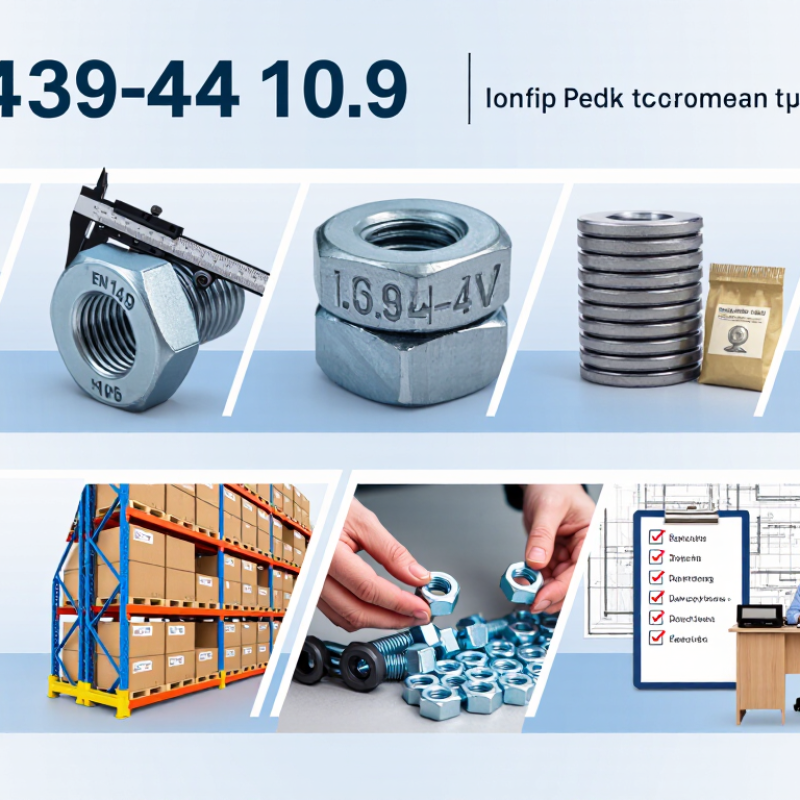
EN 14399-4 defines HV bolt-and-nut assemblies designed for preloaded structural joints. The “10.9” class describes mechanical properties; it does not confirm the preload achieved on site. Check the complete designation, dimensions, component markings, and inspection documents. Tip: Keep each bolt-and-nut system together. A matching diameter alone is not enough.
The World Steel Association’s World Steel in Figures 2024 reports 1,890.2 million tonnes of crude steel production worldwide in 2023. That figure shows the scale of steel supply, not the quality of any bolt batch. Request traceable batch records and relevant test documentation. Small details matter. Confirm that washers meet the project specification and suit the assembly.
Installation affects performance. Follow the specified tightening method and use calibrated tools; do not treat a torque value as a universal guarantee of preload. Check that threads are clean and parts are undamaged before assembly. Tip: Compare markings against the order and standard, then record discrepancies. Site conditions vary, and paperwork can be incomplete. Pause and verify rather than assuming every 10.9 fastener is an HV assembly.
For EN 14399-4 HV bolts in property class 10.9, match the assembly to the joint drawing—not just the nominal diameter. Check bolt length, grip thickness, thread position, nut, and washer arrangement. A bolt that is too long may leave excess thread in the shear plane; one that is too short may not provide adequate thread engagement. Small details matter.
Class 10.9 indicates a nominal tensile strength of 1,000 MPa under EN ISO 898-1. It does not mean every installed bolt delivers that resistance. The European standard EN 1993-1-8 sets out design checks for bolted joints, including resistance calculations. Use the project’s specified design method and verify the selected assembly against the applicable tables. Don’t treat a catalogue value as the joint capacity.
Also confirm whether the connection requires preloading. EN 14399-4 covers HV assemblies intended for high-strength structural bolting, but installation requirements still depend on the design and execution specification. Compare the required clamping length with the actual plate stack, including coatings and washers. I still recheck this dimension in the field; a few millimetres can change the required bolt length. Check the complete assembly documentation, too, since mixing components can affect performance.
For EN 14399-4 grade 10.9 HV bolts, traceability means matching the delivered parts to their production records. Check that the package label, bolt-head markings, and inspection certificate identify compatible bolt, nut, and washer assemblies. Compare batch or lot references across documents; a certificate that names only a product type may not identify your shipment. Verify the stated standard, strength grade, dimensions, and test results. Small mismatches matter.
Tip: Request the inspection certificate, such as an EN 10204 Type 3.1 certificate when specified, plus the Declaration of Performance and CE information where applicable. Check that the supplier’s documents refer to the same batch shown on the packaging. Keep a clear copy with your project records. Check every link.
The ISO Survey 2022 reported 1,265,216 valid ISO 9001 certificates worldwide. That figure reflects quality-management certifications, not approval of individual bolts, so it cannot replace product-specific evidence.
Ask for clarification if batch numbers are missing or inconsistent. A neat document pack can still contain gaps; I would rather pause and verify than assume the paperwork matches the steel.
For EN 14399-4, property class 10.9 HV bolts, coating choice is more than a finish decision. Coatings can affect friction during tightening, so confirm that the complete assembly has been assessed for its intended coating and installation method. Do not assume a bright, even surface guarantees consistent performance. Small details matter. Check for bare patches, flaking, corrosion, or damaged threads, especially around the head and nut. A clean appearance helps, but it cannot replace relevant inspection records and product documentation.
Packaging protects quality before installation. Look for sturdy, dry containers with clear labels showing the assembly type, size, property class, and batch identification. Bolts, nuts, and washers should remain identifiable and compatible; loose mixed components are a warning sign. Ask the supplier how batches are traced and what inspection documents accompany delivery. Verify markings and dimensions against the purchase specification, and examine a sample rather than relying only on photographs. A tidy box is reassuring, not proof. I would also clarify storage conditions, since damp transport or prolonged exposure can undermine even carefully applied coatings. Supplier quality is demonstrated through consistent records, clear answers, and parts that match the stated specification. A rushed check can miss something.
When buying EN 14399-4, property class 10.9 HV bolts, check the delivery before accepting it. Compare package labels, component markings, and paperwork with the purchase specification. Keep bolts, nuts, and washers identifiable as matched sets; don’t mix loose items from different packages. Look closely at threads, bearing faces, and washer edges. Reject parts with dents, flattened threads, heavy corrosion, or visible contamination, and ask the supplier to clarify anything uncertain. A quick visual check is useful, but it cannot confirm every material or performance property.
Keep the sets dry, clean, and protected in their original packaging until installation. Store cartons off the floor, away from rain, standing water, welding dust, and chemical splash. Use a simple stock rotation system, and record lot details when packages are opened. Avoid scraping off protective coatings or applying extra oil or grease without written installation guidance; changes can affect tightening behavior. If packaging is torn, inspect the contents and segregate questionable parts rather than returning them to the general stock. Small details matter here. I have seen storage look adequate from the doorway, while damp had already reached cartons against a cold wall. Check the actual packages, and follow the project’s specified assembly and installation instructions.
No. It describes mechanical properties, not the preload achieved on site. Check the complete assembly and installation records.
Match its designation, dimensions, and markings to the order. Keep each bolt, nut, and washer system together. A matching diameter alone is not enough.
Request traceable batch records and relevant inspection or test documents. Paperwork can be incomplete, so compare it with the actual parts.
Yes. Confirm they meet the project specification and suit the assembly. A small mismatch can be easy to overlook.
Follow the specified tightening method and use calibrated tools. A torque value alone cannot guarantee preload. Clean threads matter.
Yes. Coatings can affect tightening friction. Confirm the complete assembly was assessed for its coating and intended installation method.
Check for bare patches, flaking, corrosion, and damaged threads near the head or nut. A clean surface is reassuring, not proof.
Look for dry, sturdy containers with clear assembly, size, class, and batch labels. Loose mixed parts are a warning sign.
Ask how batches are traced and how parts are stored. Examine a sample, not only photographs. I might still miss something.
Choosing EN 14399-4 10.9 HV Bolts requires more than checking the size on a drawing. Start by confirming the specification and matching the bolt dimensions, strength class, and assembly requirements to the project. Review material traceability and conformity documents to verify that the supplied bolts correspond to the stated requirements, and check that certificates and markings are clear and consistent.
Also consider the coating and packaging, since suitable protection and careful handling help keep components in good condition before use. Assess the supplier’s quality practices, then inspect the bolts upon delivery for visible damage, corrosion, or missing identification. Store them in a clean, dry place and keep different sizes or batches organized. These steps help ensure the bolts are correctly selected, documented, and ready for installation.