Choosing the top ASTM A193 B8 Bolt manufacturers requires more than comparing prices or catalog photographs. B8 fasteners serve pressure vessels, heat exchangers, piping systems, and other demanding industrial equipment. Their reliability depends on chemistry, solution treatment, dimensional control, traceability, and consistent inspection.
The International Stainless Steel Forum reported global stainless steel production of approximately 58.4 million tonnes in 2023. That scale shows stainless steel’s continuing industrial importance, but it does not prove every supplier delivers dependable bolts. ASTM A193 and ASME specifications remain essential reference points. Buyers should examine mill certificates, heat numbers, tensile results, hardness records, and lot-level inspection practices. Small details matter.
Corrosion authority Herbert H. Uhlig described corrosion as “the destructive attack of a metal by chemical or electrochemical reaction with its environment.” His definition remains highly relevant when selecting an ASTM A193 B8 Bolt for chloride exposure or elevated temperatures. A reputable manufacturer should explain how material grade, passivation, surface condition, and installation torque affect service life.
The strongest suppliers usually offer audited quality systems, documented sourcing, and responsive technical support. Some also provide third-party testing and digital traceability. That is valuable.
Still, no ranking is perfect. A manufacturer may excel in large-volume production but struggle with custom lengths or urgent replacement orders. Another may offer excellent engineering support but limited global distribution. This guide compares leading ASTM A193 B8 Bolt manufacturers through measurable evidence, practical experience, and buyer-focused criteria. The aim is not to promote the loudest brand. It is to identify dependable performance where failure is expensive.
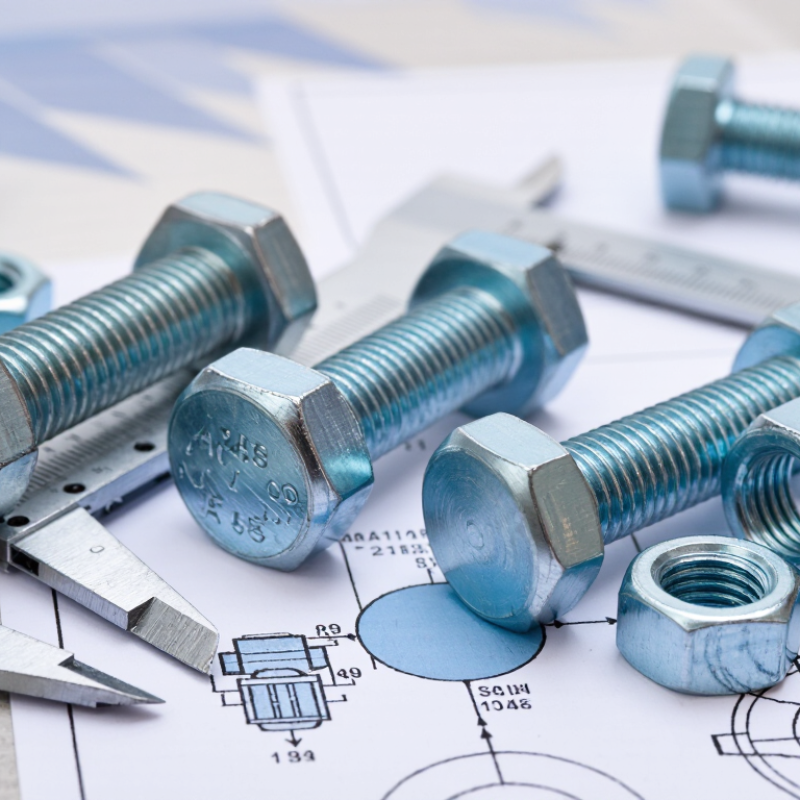
ASTM A193 B8 bolts are stainless steel fasteners designed for high-temperature and high-pressure service. They are commonly produced from 304 austenitic stainless steel. Their chromium and nickel content helps resist oxidation and general corrosion. However, B8 is not automatically suitable for every chemical environment.
The specification includes different grades and classes. B8 Class 1 normally receives solution treatment, which improves corrosion resistance. B8 Class 2 is strain hardened for higher mechanical strength. Related designations, such as B8M, generally use 316 stainless steel for stronger chloride resistance. Buyers should verify the exact grade, class, diameter, thread, and heat-treatment condition before ordering.
Core specifications include chemical composition, tensile strength, yield strength, elongation, hardness, and required heat treatment. Dimensions and thread details should match the applicable engineering standard and project drawings. A reliable manufacturer should provide heat numbers, material test reports, dimensional inspection records, and visible product markings. Field inspection often finds that washers, nuts, or coating details were overlooked. That small mistake can affect joint performance.
A careful supplier also controls forging, threading, cleaning, and final inspection. Stainless steel bolts may gall during installation, especially with high tightening pressure. Proper lubrication and controlled torque matter. The latest ASTM edition and project requirements should be checked, because assumptions can become expensive.
| Data Dimension | ASTM A193 B8 | ASTM A193 B8 Class 1 | ASTM A193 B8 Class 2 | ASTM A193 B8M Comparison | Practical Selection Guidance |
|---|---|---|---|---|---|
| Standard Definition | High-temperature and high-pressure alloy-steel bolting grade based on austenitic stainless steel. | Solution-treated condition, commonly supplied for general high-temperature or corrosive-service applications. | Strain-hardened condition that provides higher strength than Class 1. | B8M is the molybdenum-bearing stainless-steel grade generally associated with Type 316/316L chemistry. | Specify the complete designation, including grade, class, diameter, thread, and surface condition. |
| Typical Stainless-Steel Type | Type 304 or an equivalent austenitic stainless-steel chemistry. | Type 304 solution treated. | Type 304 strain hardened after solution treatment. | Type 316 or 316L chemistry, with molybdenum for improved resistance to chlorides and many chemical environments. | Use B8M rather than B8 when chloride exposure or stronger pitting resistance is a major design requirement. |
| Minimum Tensile Strength | Varies by class and the applicable ASTM A193 edition. | 75 ksi (515 MPa) | 125 ksi (860 MPa) | 75 ksi (515 MPa) for Class 1; 110 ksi (760 MPa) for Class 2. | Do not use the grade alone for design calculations; the class determines the required mechanical strength. |
| Minimum Yield Strength | Varies by class and the applicable ASTM A193 edition. | 30 ksi (205 MPa) | 100 ksi (690 MPa) | 30 ksi (205 MPa) for Class 1; 95 ksi (655 MPa) for Class 2. | Check the applicable edition, product diameter range, and test requirements before approving a design value. |
| Minimum Elongation in 2 in. or 50 mm | Depends on the specified class. | 30% | 12% | Typically 30% for Class 1 and 15% for Class 2. | Class 2 provides increased strength but generally has lower ductility than Class 1. |
| Principal Chemistry — B8 / Type 304 | Carbon max. 0.08%; manganese max. 2.00%; silicon max. 1.00%; phosphorus max. 0.045%; sulfur max. 0.030%; chromium 18.00–20.00%; nickel 8.00–11.00%. | The chemistry is controlled by the applicable A193 grade requirements and the supplied stainless-steel heat. | Typical B8M / Type 316 chemistry includes chromium 16.00–18.00%, nickel 10.00–14.00%, and molybdenum 2.00–3.00%, with additional limits for carbon, manganese, silicon, phosphorus, and sulfur. | Confirm the heat analysis on the material test report rather than relying only on a nominal material description. | |
| Heat Treatment | Solution treatment is fundamental to the austenitic stainless-steel grade; Class 2 also receives controlled strain hardening. | Solution treated to develop corrosion resistance and a stable austenitic structure. | Solution treated and strain hardened to achieve the higher mechanical-property requirements. | Comparable Class 1 and Class 2 processing principles apply to B8M. | Heat-treatment condition and required testing should be stated on the purchase specification. |
| Common Product Forms | Bolts, studs, screws, and other externally threaded fasteners covered by the specification. | Full-thread studs, heavy hex bolts, hex-head bolts, and custom machined fasteners. | High-strength studs and bolting assemblies for elevated-load applications. | Bolts and studs for equipment exposed to chloride-containing or chemically aggressive service. | Confirm whether the project requires a stud, bolt, screw, or a specific head style. |
| Thread Standards | Threads are normally specified separately from the material standard. | Common inch threads follow ASME B1.1; metric threads may follow the applicable ISO metric thread standard. | Thread fit and tolerance remain important because strain hardening can affect machining and installation behavior. | Same general thread-selection principle as B8. | State nominal diameter, thread pitch or threads per inch, thread series, class of fit, and thread length. |
| Compatible Nut Specification | ASTM A194/A194M nuts are commonly selected for high-temperature and high-pressure bolting assemblies. | Use a nut grade and class compatible with the bolt strength, temperature, and corrosion environment. | Use a nut with adequate proof strength to prevent thread stripping or nut failure. | A194 stainless-steel nut grades may be selected when corrosion compatibility is required. | The bolt and nut should be evaluated as a complete assembly, including galling risk and installation method. |
| Typical Applications | Pressure vessels, valves, flanges, heat exchangers, piping systems, and high-temperature equipment. | General process equipment and corrosive-service bolting where moderate strength is sufficient. | Flanged joints and equipment requiring higher preload or greater mechanical strength. | Chemical processing, marine exposure, chloride-containing environments, and process piping. | Application suitability depends on temperature, pressure, corrosion, preload, and code requirements. |
| Corrosion Considerations | Offers the corrosion resistance associated with austenitic stainless steel but is not immune to pitting, crevice corrosion, or stress-corrosion cracking. | Generally selected for atmospheric and moderately corrosive service. | Strength is higher, but the strain-hardened condition should be reviewed for the intended environment and temperature. | Usually provides better resistance than B8 in chloride-containing service because of molybdenum addition. | Evaluate temperature, chlorides, acids, crevices, galvanic couples, and cleaning chemicals before selection. |
| Identification and Documentation | Product marking and certification should identify the applicable ASTM designation, grade, class, and manufacturer’s heat or lot traceability. | Documentation should confirm solution treatment, chemistry, mechanical tests, and dimensional compliance. | Documentation should confirm the required strain-hardened mechanical properties. | Documentation should verify the B8M grade/class and molybdenum-containing chemistry. | Request a material test report, certificate of compliance, heat number, dimensions, and inspection results. |
| Important Purchasing Details | ASTM A193 grade/class; nominal diameter; length; thread; head or stud style; quantity; finish; testing; certification. | Specify “A193 B8 Class 1” when solution-treated properties are required. | Specify “A193 B8 Class 2” when the higher strength requirements are needed and permitted by the design code. | Specify “A193 B8M” with the required class when Type 316/316L-related performance is needed. | Always verify the current ASTM edition, project code, temperature limits, and engineering approval before ordering. |
Technical note: Mechanical values and chemistry limits should be checked against the current edition of ASTM A193/A193M and the applicable project specification. Actual requirements may vary by grade, class, product size, testing method, and governing construction code.
B8 bolts are stainless steel fasteners for high-temperature and high-pressure equipment. They commonly use 304 austenitic stainless steel. Chromium and nickel improve oxidation and general corrosion resistance. They are not suitable for every chemical environment.
Class 1 normally receives solution treatment for improved corrosion resistance. Class 2 is strain hardened for higher mechanical strength. The required class depends on the joint design and service conditions. Strength is not the only concern.
Buyers should verify the grade, class, diameter, thread, and heat-treatment condition. Related grades may use 316 stainless steel for stronger chloride resistance. A small specification mismatch can affect joint performance. Details matter here.
Manufacturers usually form or machine stainless steel bar into the required shape. Solution annealing helps dissolve unwanted phases and restore corrosion resistance. Controlled cooling reduces distortion and uneven hardness. The process can still go wrong.
Chemical analysis should confirm chromium and nickel content. Tensile testing measures strength, yield behavior, elongation, and fracture performance. Hardness testing can reveal poor heat treatment. Dimensional checks confirm thread pitch and shank diameter.
Request heat numbers, material test reports, dimensional records, and visible markings. Traceability should connect the steel source with each finished bolt. Review sampling plans, calibration dates, and retest rules. Paperwork is evidence, not proof.
Stainless steel threads may gall under high tightening pressure. Use suitable lubrication and controlled torque during installation. Check the bolt, nut, and washer together. Washers are often overlooked.
Compare production controls, testing records, traceability, and inspection coverage. A factory audit and witnessed test can expose hidden weaknesses. A small trial order may be safer than immediate bulk purchasing. Even experienced buyers miss details.
No. A polished surface can hide a weak internal structure. Additional metallography, ferrite checks, or corrosion testing may be useful. Packaging also deserves inspection. A torn carton can admit salt and moisture.
ASTM A193 B8 Bolt is a stainless steel fastener designed for high-temperature and high-pressure applications in industries such as chemical processing, power generation, and petrochemical equipment. This overview explains the main B8 grades, material compositions, strength requirements, dimensional standards, and corrosion-resistance characteristics. It also describes how reputable manufacturers form, machine, heat treat, and inspect these bolts, including chemical analysis, tensile testing, hardness checks, dimensional verification, and traceability procedures.
The article further examines how to evaluate ASTM A193 B8 Bolt manufacturers by reviewing production capacity, quality-management systems, certification control, testing capabilities, customization support, delivery reliability, and technical service. It compares manufacturers according to their ability to supply consistent products for different operating conditions and project requirements. Finally, it provides practical guidance for selecting a suitable supplier by matching bolt grade, size, surface condition, applicable standards, documentation, and total project needs, helping buyers make a reliable and technically informed decision.