
Precision-threaded, torque-tested flange nuts, heavy bolts, and piping installation systems supplied with strict compliance to ASTM, DIN, EN, and ISO dimensional tolerances.
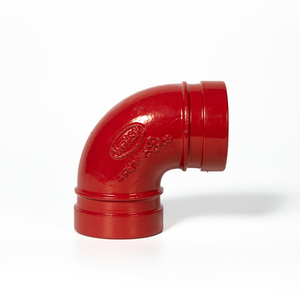
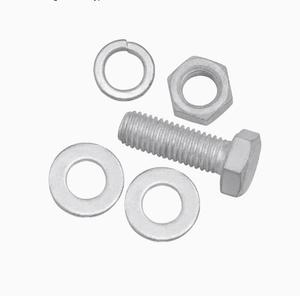
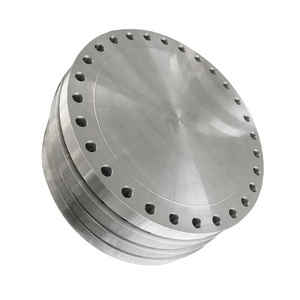
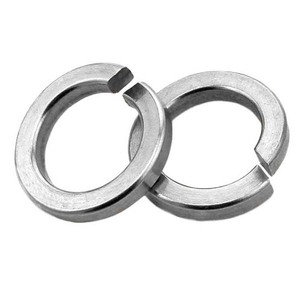
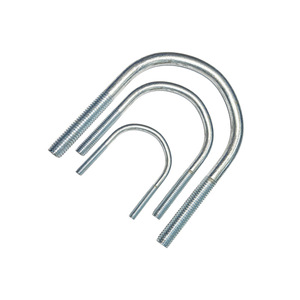
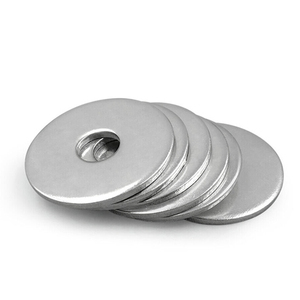
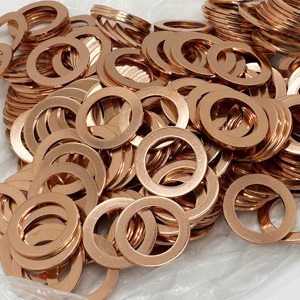
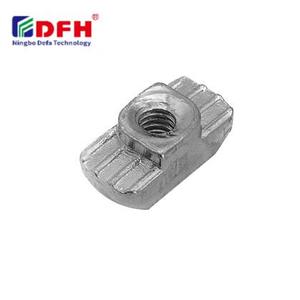
In high-vibration automotive, structural, and energy piping applications, the flange nut represents a critical consolidation of fastener mechanics: integrating a wide circular flange that acts as an integrated, non-rotating washer.
By increasing the bearing area under the nut face, industrial flange nuts reduce surface pressure on clamped components. In thin-gauge sheet metal or ductile castings, this prevents localized surface embedment and galling, preserving critical clamp load and preventing bolt relaxation over cyclic thermal loads.
Engineering selection relies on whether joint preservation or component disassembly is prioritized. Serrated flange nuts feature integrated directional ratchet teeth that bite into mating surfaces, increasing the torque required to break the joint open by up to 30% compared to seating torque.
Fabrication via multi-station progressive cold forming produces an unbroken grain contour throughout the flange junction, offering vastly superior shear limits compared to turned nuts. Material grades range from structural Grade 8/10 to ASTM A194 Gr. 8/8M high-temperature stainless steel.
Global procurement requires navigating overlapping DIN, ISO, and ASTM/ASME standards. The following matrix illustrates key parameters when sourcing commercial and heavy-duty flange nuts from Chinese manufacturing hubs.
| Standard | Locking Type | Material Class | Proof Stress Range | Corrosion Protection Options | Target Sector |
|---|---|---|---|---|---|
| DIN 6923 / ISO 4161 | Non-locking / Serrated | Class 8, 10, SS A2-70, A4-80 | 800 – 1040 MPa | Clear Zinc, Yellow Zinc, Dacromet | Automotive, Machinery, PV Racking |
| EN 1661 / ISO 10663 | Wide Flange Profile | Class 8, 10, Alloy Steel | 800 – 1000 MPa | Hot-Dip Galvanized, Geomet | Heavy Infrastructure & Construction |
| DIN 6926 / ISO 7043 | Non-Metallic Insert Flange | Class 8, 10 Steel | 800 – 1040 MPa | Zinc Nickel (Zn-Ni), Phosphate | Agricultural Equipment, Vibratory Screens |
| DIN 6927 / ISO 7044 | All-Metal Prevailing Torque | Class 8, 10, 12 Steel | 800 – 1200 MPa | Phosphate & Oil, Zinc-Flake | Exhaust Systems, High-Temp Compressors |
| ASME B18.16.6 | IFI Heavy Hex Flange | Grade 5, Grade 8, 316 SS | 120 – 150 ksi | Cadmium-Alternative, Black Oxide, HDG | North American Oil & Gas, Heavy Rail |
Strategic sourcing is rapidly moving beyond pure unit costs. B2B purchasing directors, supply chain managers, and EPC project engineers must anticipate structural transitions in fastener procurement spanning 2025 to 2030.
Global automotive and precision manufacturing plants are making zero-defect (0-PPM) delivery mandatory. Advanced Chinese manufacturers are outfitting lines with 360-degree high-speed optical laser sorters capable of checking thread depth, flange concentricity, pitch pitch variation, and plating thickness at up to 800 parts per minute.
Stricter compliance mandates such as EU RoHS, REACH, and California Proposition 65 have driven an industry-wide transition away from hexavalent electroplating toward water-based zinc flake (e.g., Geomet, Dacromet) and thin-film zinc-nickel alloy coatings, delivering up to 1,500 hours of neutral salt spray (NSS) test performance with zero risk of hydrogen embrittlement.
With the implementation of the EU's Carbon Border Adjustment Mechanism (CBAM), enterprise procurement teams are prioritizing fastener producers that utilize electric arc furnace (EAF) scrap-based steel coils over blast-furnace routes, backed by audited Environmental Product Declarations (EPD) to prevent border tariffs.
Procurement teams are shifting from pure Just-in-Time (JIT) toward hybrid hubbing models. Chinese suppliers are establishing vendor-managed inventory (VMI) hubs across Southeast Asia, Europe, and the Middle East, mitigating ocean freight disruptions and ensuring dependable 48-hour container-pull availability for major EPC jobs.
Drawing on an industrial heritage dating back to 2010, our integrated manufacturing, forging, and export operations deliver verifiable metallurgical integrity, complete traceability, and unmatched technical depth.
Our operations operate under comprehensive Pressure Equipment Directive (PED) manufacturing accreditations and active industry body memberships. Every batch of flange nuts, studs, and structural fasteners is strictly traceable back to the raw steel heat number with a 3.1 Mill Test Certificate (MTC) supplied with every export shipment.
We do not rely on third-party estimates. Our testing facilities feature in-house optical emission spectrometers, micro-Vickers and Rockwell hardness testers, magnetic particle inspection (NDT), charpy impact machines for low-temperature service down to -196°C, and tensile test benches capable of proof-stressing up to 2,000 kN.
Recognized as one of the leading exporters of hot-dip galvanized and specialty alloy fasteners, our production encompasses standard carbon steels, austenitic/martensitic stainless (304, 316, 410), phosphor bronze, silicon bronze, aluminum bronze, and titanium fasteners in metric (M2–M100) and imperial configurations.
Direct technical answers addressing thread geometry, plating, minimum order quantities, and documentation protocols for global buyers.
Standard DIN 6923 Class 8 and Class 10 inventory items are available for container dispatch within 7–10 days. Custom runs involving specialized alloy cold forming (e.g., A4-80, B8M) or specialized finishes (Zinc-Nickel, PTFE/Xylan, thick HDG) typically ship within 25–35 days, including complete batch qualification testing and MTC generation.
High-tensile fasteners (hardness exceeding 32 HRC) undergo mandatory de-embrittlement baking immediately following acid-pickling and electroplating cycles (at 200°C–230°C for 8 to 24 hours depending on property class). Alternatively, we provide non-electrolytic zinc flake coatings that generate zero cathodic hydrogen evolution.
Yes. Our tooling facility produces customized heading and tapping dies to accommodate modified flange outer diameters (OD), heavy-hex geometries, extra thickness, fine thread pitches (DIN 6923 Fine), and imperial UNC/UNF/8-UN thread profiles according to customer engineering drawings.
Every shipment is accompanied by an EN 10204 Type 3.1 Inspection Certificate documenting spectral chemical analysis, tensile and proof load testing, core and surface hardness profiles, coating thickness verification, dimensional inspection reports, and a formal certificate of origin.
Connect directly with our engineering sales desk for factory-direct price schedules, technical drawing reviews, or custom sample kits.
Contact Us