Supplying factory-certified pipe connection systems, high-integrity forged slip on flanges, and critical structural fasteners engineered to rigorous ASME, JIS, and DIN specifications.
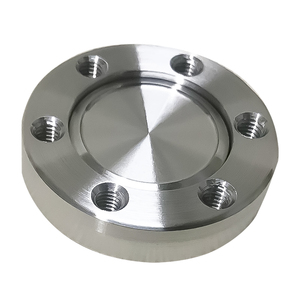
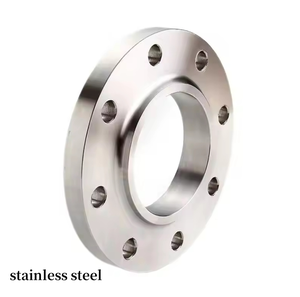
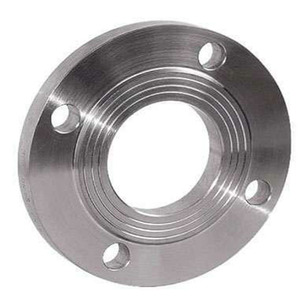
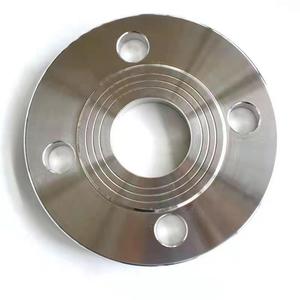
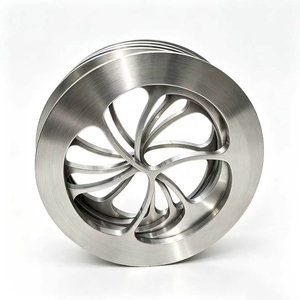
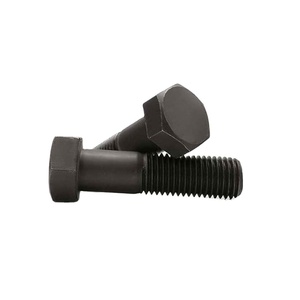
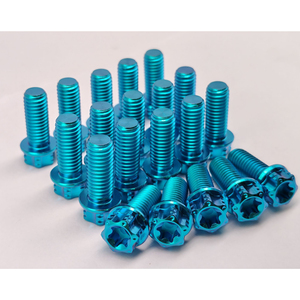
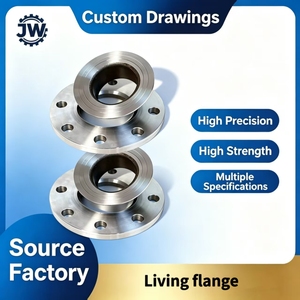
Slip On (SO) flanges represent one of the most reliable and cost-effective connection methods across fluid transportation, petroleum refining, chemical processing, and naval architectures. Designed to slide directly over the outer diameter of pipework, these flanges are aligned and secured through dual fillet welds—one applied at the outer hub and another on the interior pipe terminal. This fabrication philosophy eliminates the critical necessity of exact bevel angle preparation, dramatically shortening cycle times during on-site pipeline fit-ups while retaining strong structural resistance to internal hoop stress and vibrational harmonics.
The operational lifespan of a slip on connection relies directly on controlled metallurgical grain flow, acquired through closed-die or open-die hot forging processes. Compared to casting methods that are susceptible to micro-porosities, shrinkage cavities, and anisotropic fatigue zones, our forged slip-on components undergo recrystallization under monitored heating gradients. This eliminates interstitial inclusions and orientates the crystal lattice along the axial path of mechanical stress. Consequently, during dynamic thermal cycling and pressure pulsing, stress concentrations are evenly dissipated across the flange hub.
| Material Grade | Standard Equivalents | Yield Strength (Min MPa) | Tensile Strength (MPa) | Primary Industrial Utility |
|---|---|---|---|---|
| ASTM A105 / Carbon | JIS G4051 S25C / EN 10222-2 | 250 | 485 - 620 | Refinery, steam loops, heavy machinery cooling |
| ASTM A350 LF2 | JIS G3205 SFL2 | 250 | 485 - 655 | Cryogenic processing, LNG storage terminals |
| ASTM A182 F304/F304L | SUS304 / EN 10088-3 1.4301 | 205 | 515 | Food, beverage, sanitary piping, vacuum systems |
| ASTM A182 F316/F316L | SUS316 / EN 10088-3 1.4404 | 220 | 515 | Marine shipbuilding, chemical offshore platforms |
| ASTM A694 F52-F65 | High-Yield Pipeline Spec | 360 - 450 | 455 - 535 | High-pressure long-distance transmission trunks |
A crucial specification when adopting slip on flanges across safety-critical infrastructure is calculating the gap between the end of the pipe and the interior face of the flange. Industry best practices (including ASME Section VIII and ASME B31.3) mandate an expansion allowance approximately equal to the nominal wall thickness of the pipe, or roughly 1.5mm to 3mm. This precise setting prevents the pipe root from bearing directly against the flange sealing face during thermal expansion cycles, eliminating weld-root cracking. Each unit dispatched from our production line features accurately calibrated bore tolerances conforming precisely to ASME B16.5, DIN EN 1092-1, and JIS B2220 parameters.
Nagoya, the capital of Aichi Prefecture, forms the heart of Japan's Chukyo Industrial Zone. Below are key deployment applications where our forged slip on flanges deliver consistent performance.
Nagoya and surrounding regions (Toyota City, Kariya) host extensive automotive manufacturing infrastructure. Our DIN and JIS-rated low-pressure carbon steel slip on flanges manage paint recirculation, process cooling loops, and high-volume pneumatic lines, providing cost-effective and dependable containment.
As one of Japan's busiest trade hubs by total cargo throughput, the Port of Nagoya demands marine-grade stainless steel slip-on configurations (SUS316/F316L). These assemblies withstand saline splash-zone corrosive environments across vessel bunkering stations and shore-to-ship fuel links.
Across the neighboring Chita energy corridor, refineries and chemical processors utilize our ASTM A105 and A350 LF2 low-temperature slip on flanges. The dual weld barrier protects volatile organic compound (VOC) transfer conduits from hazardous fugitives or sudden pressure shocks.
Analyzing key shifts in metallurgical standards, supply chain dynamics, and regulatory compliance across Central Japan.
Chubu electric utilities and regional heavy industrial sectors are actively piloting ammonia co-firing and hydrogen logistics. Procurement teams are upgrading from basic mild steel to specialized duplex and molybdenum-stabilized slip on flanges to prevent hydrogen embrittlement across testing grids.
To mitigate long lead times from distant Western hubs, engineering procurement managers in Nagoya are consolidating ties with top-tier Chinese forging plants. With freight transit times often under 4 days into Nagoya Port, reliable on-demand delivery models are superseding excessive warehouse stocking.
Japanese EPC contractors are enforcing stricter compliance standards. Suppliers must provide EN 10204 3.1 Mill Test Certificates verifying complete chemistry, Charpy V-Notch impact properties, and multi-point NDT scanning tied directly to stamped melt batch numbers on every flange rim.
Combining world-class forging power, certified pressure equipment testing, and comprehensive international standards adherence.
Our operations comply with Pressure Equipment Directive (PED 2014/68/EU) standards, ensuring all slip on flanges are validated for pressurized systems globally. We maintain strict full-cycle ISO quality frameworks across all production phases.
From micro-bore instrumentation lines to massive large-diameter pipe runs in the energy sector, our multi-ton forging presses accurately deliver wall thicknesses and raised-face (RF), flat-face (FF), or ring-type joint (RTJ) profiles.
Our quality control protocol incorporates liquid penetrant, magnetic particle, and ultrasonic testing to identify surface fissures or micro-fissuring prior to export packing. Full raw material traceability is standard.
Addressing essential questions from Nagoya engineering firms, general contractors, and trade houses.
Our CNC machining lines operate on dual-standard tooling systems. When producing for clients in Japan, bolt-circle hole pitches, hub diameters, and raised-face serration finishes (125-250 Ra spiral grooved) are manufactured strictly to JIS B2220 5K, 10K, 16K, and 20K configurations, or dual-certified to ASME specifications where industrial facilities require hybrid compliance.
To prevent oxidation and salt-spray damage across maritime shipping lanes, each carbon steel slip on flange is coated with high-grade anti-rust varnish or clear environmentally compliant protective oil. Flange gasket surfaces are covered with dedicated plastic end protectors before packing inside fumigated, solid wooden cases lined with heavy moisture-barrier polyethylene sheets.
Yes. Every export lot comes accompanied by standard EN 10204 Type 3.1 Inspection Certificates containing exact optical emission spectrometry (OES) chemical breakdowns, tensile yield tests, elongation results, Brinell hardness numbers, and batch-stamped heat identifiers matching physical stampings on the flange body.
Standard metric and imperial inventory sizes are ready for container loading within 7 business days. Custom forgings and tailored project schedules generally complete within 20 to 30 days. We routinely process FOB, CIF Nagoya, or DDP terms, coordinating directly with regional freight forwarders to ensure clean customs clearance.
Consult with our engineering sales group regarding custom pressures, JIS/ASME conversion schedules, and volume-discount supply contracts for Japanese construction and industrial maintenance projects.
Send an Inquiry