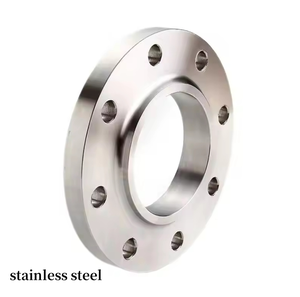
Custom Size Large Diameter Blind Welding Neck Slip on Stainless Steel Flange For Oil And Gas
Technical Details
Manufactured to strict global DIN, EN, ISO, and ASTM tolerances. Fully integrated heat-treatment, precision threading, and automated dimensional verification.
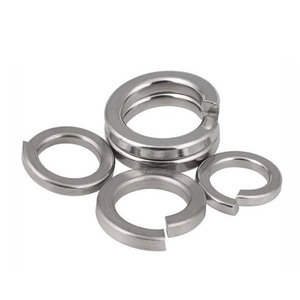
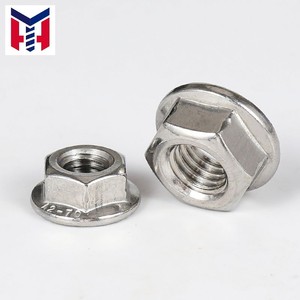
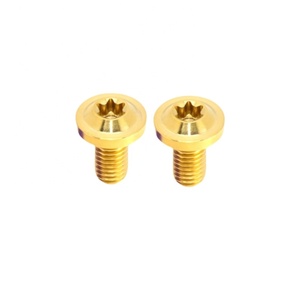
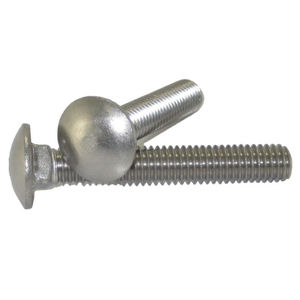
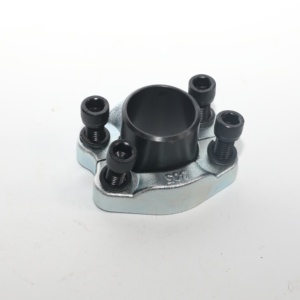
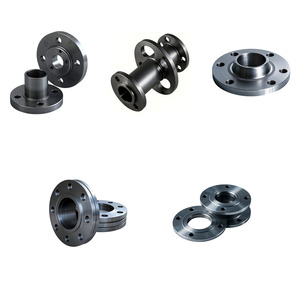
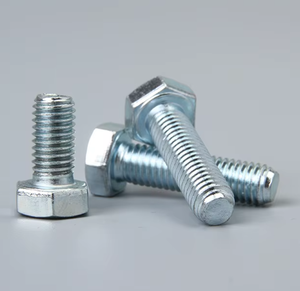
A comprehensive examination of high-strength structural bolting assemblies (HV System) for friction-grip, slip-critical structural steel connections according to European and international standards.
In modern structural steel fabrication, structural joints subject to dynamic fatigue, cyclical shear stress, and vibration must be securely fastened to prevent structural deformation or cataclysmic assembly failure. EN 14399-4 specifies the requirements for high-strength structural bolting assemblies suitable for preloading (System HV). Unlike conventional non-preloaded bolts (such as standard ISO 4014 or DIN 931 Class 8.8 and 10.9 screws), the EN 14399-4 HV configuration is engineered specifically to withstand controlled plastic deformation during installation, utilizing a shorter thread length and thicker hex nut to maximize clamping force across joint plates.
European standards EN 14399 differentiate between two primary preloaded structural systems: HR (System High Regular) and HV (System Hochfest Vorgespannt). The HV system, primarily developed in Germany and widely exported to international infrastructure ventures, utilizes a bolt with a thinner nut thread engagement profile coupled with a ductile thread design. Under preloading, plastic elongation occurs predominantly across the bolt shank and engaged threads, preventing thread stripping failure. In contrast, the nut height of an EN 14399-4 nut is approximately 0.8d to 0.9d, ensuring a balanced ductile deformation pattern without catastrophic brittle failure under catastrophic shear forces.
| Nominal Size (d) | Pitch (P) | Tensile Stress Area (As, mm²) | Proof Load Force (kN) | Min. Tensile Strength (kN) | Tightening k-Factor Class |
|---|---|---|---|---|---|
| M12 | 1.75 | 84.3 | 70.0 | 84.3 | K1 (0.10 ≤ k ≤ 0.16) / K2 |
| M16 | 2.00 | 157 | 130 | 157 | K1 (0.10 ≤ k ≤ 0.16) / K2 |
| M20 | 2.50 | 245 | 203 | 245 | K1 (0.10 ≤ k ≤ 0.16) / K2 |
| M22 | 2.50 | 303 | 251 | 303 | K1 (0.10 ≤ k ≤ 0.16) / K2 |
| M24 | 3.00 | 353 | 293 | 353 | K1 (0.10 ≤ k ≤ 0.16) / K2 |
| M27 | 3.00 | 459 | 381 | 459 | K1 (0.10 ≤ k ≤ 0.16) / K2 |
| M30 | 3.50 | 561 | 466 | 561 | K1 (0.10 ≤ k ≤ 0.16) / K2 |
| M36 | 4.00 | 817 | 678 | 817 | K1 (0.10 ≤ k ≤ 0.16) / K2 |
Achieving certified 10.9 mechanical properties requires raw materials with stringent limits on phosphorus, sulfur, and interstitial tramp elements. As an authoritative Chinese manufacturer, our manufacturing process utilizes cold-heading and hot-forging grade alloy steels, including 32CrB4, 34CrNiMo6, and 42CrMo. Quenched in polymer or specialized oil baths and tempered at temperatures no less than 425°C, each batch is engineered to balance high yield limits (≥900 MPa) with resilient Charpy V-notch impact toughness (exceeding 27 Joules at -20°C and -40°C). This low-temperature ductility is vital for engineering applications in high-altitude Andean mines or windswept Patagonian infrastructure.
Supplying major EPC infrastructure projects, renewable energy complexes, and industrial installations throughout the Argentine provinces.
The Argentine Patagonia region (Chubut, Santa Cruz, and Neuquén) features some of the world's most aggressive wind regimes. EN 14399-4 10.9 HV bolt assemblies ensure fatigue resistance across wind turbine tower flange sections, nacelle mounts, and anchor cage foundations, standing up to cyclical torsional loads without clamp load relaxation.
Within the Lithium Triangle (Jujuy, Salta, Catamarca) and deep-shaft copper exploration projects in San Juan, mineral processing plants, extraction structural modules, and vibrating screening machines require high-tensile hot-dip galvanized (HDG) HV assemblies capable of withstanding corrosive brine and severe seismic dynamics.
The development of the Neuquén Basin requires heavy structural skids, compression station facilities, and modular pipeline platforms. Combining EN 14399-4 structural connections with ASME B16.5 high-pressure forged flanges guarantees pressure retention, zero-slip stability, and compliance with national IRAM and international EPC guidelines.
Understanding shifting procurement dynamics, regulatory standards, and supply chain rationalization.
Argentina's industrial procurement sector is undergoing rapid evolution. With accelerating investments in energy transition projects (solar parks in Cauchari, wind farms across the Atlantic coast) and the expansion of oil and gas export infrastructure, traditional spot-buying from local intermediate warehouses has increasingly transitioned toward direct manufacturer agreements with Tier-1 Chinese fastener mills.
Procurement engineers now prioritize complete traceability (EN 10204 Type 3.1) and strict torque-angle k-class certifications over generic commercial bolting. Because structural rework in remote locations like the high Andes or Tierra del Fuego involves excessive mobilization costs, EPC contractors specify preloaded structural assemblies certified against embrittlement, thread gauling, and coating flaking.
Addressing regulatory certifications, customs handling, test protocols, and structural installation best practices.
Argentina references IRAM-IAS standards alongside CIRSOC regulations (such as CIRSOC 301 for steel structures). CIRSOC permits the utilization of international high-strength preloaded assemblies (EN 14399 HV or ASTM A325/A490/F3125) provided they are backed by verifiable inspection test reports (EN 10204 3.1) and clear coefficient of friction (k-value) ratings.
For seaside industrial projects in Bahía Blanca or mining facilities exposed to Andean salt brines, Hot Dip Galvanizing (ISO 10684) with over-tapped nuts, or Zinc Flake coatings (ISO 10683 / Geomet / Dacromet) are strongly recommended. Zinc flake coatings eliminate the risk of hydrogen embrittlement while delivering over 1,000 to 1,500 hours of neutral salt spray resistance (ASTM B117).
No. Under EN 14399, preloaded bolting systems must be supplied as matched assemblies from a single manufacturer. Mixing nuts, bolts, or chamfered washers across disparate lots compromises the calibrated torque-tension relationship (k-factor), increasing the risk of over-tensioning or premature joint slippage.
Shipments are accompanied by Clean Bills of Lading, Commercial Invoices detailing exact NCM / HS tariff classifications (typically 7318.15 for high-strength steel bolts), Packing Lists, Certificate of Origin, and complete Mill Test Certificates (MTC) citing chemical melt analysis, proof load testing, Charpy impact absorption, and coating thickness.
Operating high-capacity multi-station cold-formers, controlled continuous atmosphere heat treatment lines, and ISO/IEC 17025 accredited laboratory testing.
Pressure Equipment Directive (PED) certified manufacturing processes combined with full ISO 9001:2015 quality assurance.
Seamless structural grain flows from automated multi-station cold formers and heavy-tonnage hydraulic hot forging presses.
In-house computerized tensile, Charpy impact, ultrasonic thickness gauging, and torque-tension clamp load verification.
Standardized moisture-resistant seaworthy crating, steel strapping, and direct container line dispatch to South American ports.
Download our complete fastener technical data sheet, flange dimensional charts, and comprehensive property class engineering guides for your project estimations.
Get Catalog