Certified to ASTM, ASME, DIN, EN, and ISO frameworks. Available with Hot-Dip Galvanizing (HDG), Electro-Galvanized Zinc, and Yellow Dichromate protection.
A comprehensive examination of batch hot-dip galvanizing (ASTM A153 / ISO 10684) versus electro-galvanizing (ASTM B633) in high-strength tension connections.
In hot-dip galvanizing, molten zinc reacts with the clean steel substrate at approximately 450°C (842°F). This diffusion process produces distinct metallurgical layers: Gamma (75% Zn, 25% Fe), Delta (90% Zn, 10% Fe), Zeta (94% Zn, 6% Fe), and Eta (pure zinc outer layer). This cross-diffusion forms a mechanical bond superior to mechanical coatings, exhibiting exceptional micro-hardness resistant to abrasive construction rigging.
For fasteners exceeding Class 10.9 or ASTM A490 / A193 B7 specifications (tensile strength ≥ 1000 MPa / 145 ksi), traditional pickling in hydrochloric acid introduces nascent hydrogen atoms into interstitial lattice sites. Our clean-room fabrication incorporates ultrasonic mechanical shot blasting or flash-bake treatments at 190°C–220°C within two hours post-plating, neutralizing internal hydrogen migration and premature catastrophic joint failure.
Due to the 45µm to 85µm zinc deposit typical of ASTM A153 Class C coatings, standard internal mating threads cannot engage without galling. Our factory operates certified tapping sequences per ASTM A563, ensuring internal threads on nuts are cleanly overtapped after heat treatment (e.g., +0.40mm for M20, +0.53mm for M30) while external bolt threads retain precise dimensional tolerances, preserving total load-carrying capacity.
Evaluate atmospheric durability, cathodic protection levels, and application thresholds across standard industrial protective regimes.
| Coating Classification | Governing Standard | Coating Thickness | Neutral Salt Spray (ASTM B117) | Susceptibility to Embrittlement | Optimized Project Environment |
|---|---|---|---|---|---|
| Hot-Dip Galvanizing (HDG) | ASTM A153 / ISO 10684 | 45 µm – 85 µm | 1,000 to 2,500+ Hours | Medium-High (Controlled via Bake) | Offshore Platforms, Coastal Bridges, Power Transmission |
| Electro-Zinc Plating (Fe/Zn) | ASTM B633 / ISO 2081 | 5 µm – 25 µm | 72 to 240 Hours | Low-Medium (De-embrittlement required) | Indoor Switchgear, Climate-Controlled Warehouses |
| Zinc-Nickel Alloy Plating | ASTM B841 | 8 µm – 15 µm | 1,200 to 1,800 Hours | Low | Automotive Chassis, Harsh Chemical Vapor Zones |
| Zinc Flake (Non-Electrolytic) | ISO 10683 / ASTM F1136 | 5 µm – 15 µm | 1,000 to 1,500 Hours | Zero Risk (No Acid Pickling) | High-Tensile Wind Turbine Bolting (10.9 & 12.9) |
| Mechanical Galvanizing | ASTM B695 | 25 µm – 65 µm | 500 to 1,000 Hours | Zero Risk | Medium-Load Structural Steel Brackets, Washers |
Shifting supply chains, cross-border carbon border regulations, and advanced metallurgical integration are redefining how EPC enterprises purchase structural components.
Global original equipment manufacturers (OEMs) are pivoting away from multi-stage CNC turning toward automated multi-station cold-forming operations for sizes up to M36. Cold heading generates seamless grain flow contours that mirror the exterior geometry of the bolt head-to-shank transition. This reduces stress concentrations, eliminates raw material waste by up to 28%, and improves cyclic dynamic fatigue life in heavy vibrating machinery.
Procurement directors serving European and North American projects must comply with REACH, RoHS, and EPA directives banning hexavalent chromium (Cr VI). The market has converted to advanced trivalent chromium formulations paired with organo-mineral polymeric sealers. These formulations protect thread troughs without impeding thread engagement, providing uniform friction coefficients (µ = 0.10–0.16) critical for torque-controlled nut runners.
The European Union's Carbon Border Adjustment Mechanism (CBAM) requires international fastener exporters to record embedded emissions from electric arc furnace (EAF) and basic oxygen furnace (BOF) scrap. Tier-1 buyers increasingly select suppliers using recycled billet inputs and renewable thermal galvanizing tanks, securing third-party verified Environmental Product Declarations (EPD) to minimize downstream carbon tariffs.
Operating since 2010 in Mumbai, India, our manufacturing campus combines precision forging, in-house metallurgical testing, and global logistics execution.
Our Quality Management System meets strict European Pressure Equipment Directive (PED) compliance standards alongside Fastener Manufacturers Association of India (FMAI) corporate membership. Pressure-boundary bolting orders are accompanied by certified EN 10204 Type 3.1 Inspection Certificates, verifying heat-to-batch traceability from bar stock melting to final thread profiling.
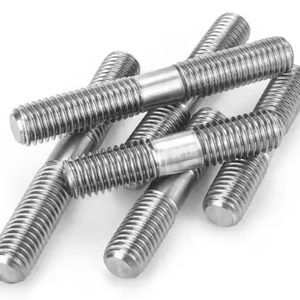
We operate multi-die cold formers for high-speed small-diameter manufacturing and specialized 1,500-ton horizontal forging presses for heavy bolting up to M100 (4 inches). Whether producing ASTM A193 B7 stud bolts, A325 heavy hex bolts, or EN 14399-4 HV preloaded structural assemblies, our variable-length threading accommodates non-standard engineering drawings without excessive tooling lead times.
Our quality assurance laboratory is equipped with wet magnetic particle inspection (MPI), ultrasonic defect detection, optical emission spectrometers for chemical verification, and computer-controlled Charpy V-notch impact testers operating down to cryogenic thresholds (-196°C). We protect safety-critical energy projects against unexpected ductile-to-brittle transitions.
Detailed technical responses covering certification, dimensional verification, and quality-control standards.
Per ASTM A563 and ISO 965-5, overtapping is permitted only on internal nut threads, where the nut's proof load geometry allows increased pitch diameter without compromising proof stress ratings. Bolt threads are always cold-rolled to nominal size before dipping. The resulting interlock distributes tensile strain along the engaged thread profile without stripping when torqued to specified clamp preloads.
Grade 8.8 bolts can be hot-dip galvanized using regulated acid pickling containing organic inhibitors. Grade 10.9 requires strict blast cleaning or short-cycle pickling followed immediately by a 4-hour thermal de-embrittlement baking at 200°C. For Grade 12.9, hot-dip galvanizing is generally discouraged by ISO 10684 due to high hydrogen diffusion risks; we recommend non-electrolytic zinc flake coatings (ISO 10683) instead.
Every shipment is accompanied by complete documentation: EN 10204 Type 3.1 Material Test Certificates (detailing raw material melt chemistry and mechanical properties), Salt Spray Test reports, Zinc Layer Thickness readings (electromagnetic/microscope method), Charpy Impact verifications, and certificates of origin for customs clearance.
We provide full build-to-print manufacturing: specialized thread pitches (UNC, UNF, BSW, metric fine), custom shank lengths, bespoke forging head marks, CNC shank cross-drilling for cotter pins, application of specialized fluoropolymer/PTFE coatings over zinc layers, and tailored seaworthy wooden crate export packaging.
Connect with our technical engineering sales desk in Mumbai. Submit project drawings, target property classes, and required corrosion certifications to receive a formal quotation within 24 hours.
Contact Us